
Credit: Far Out / A&M Records / Alamy / Sony Music Entertainment
October 24th, 2026 · 2:00am BST
The biggest names in hard rock are normally not looking to write the catchiest choruses in the world.
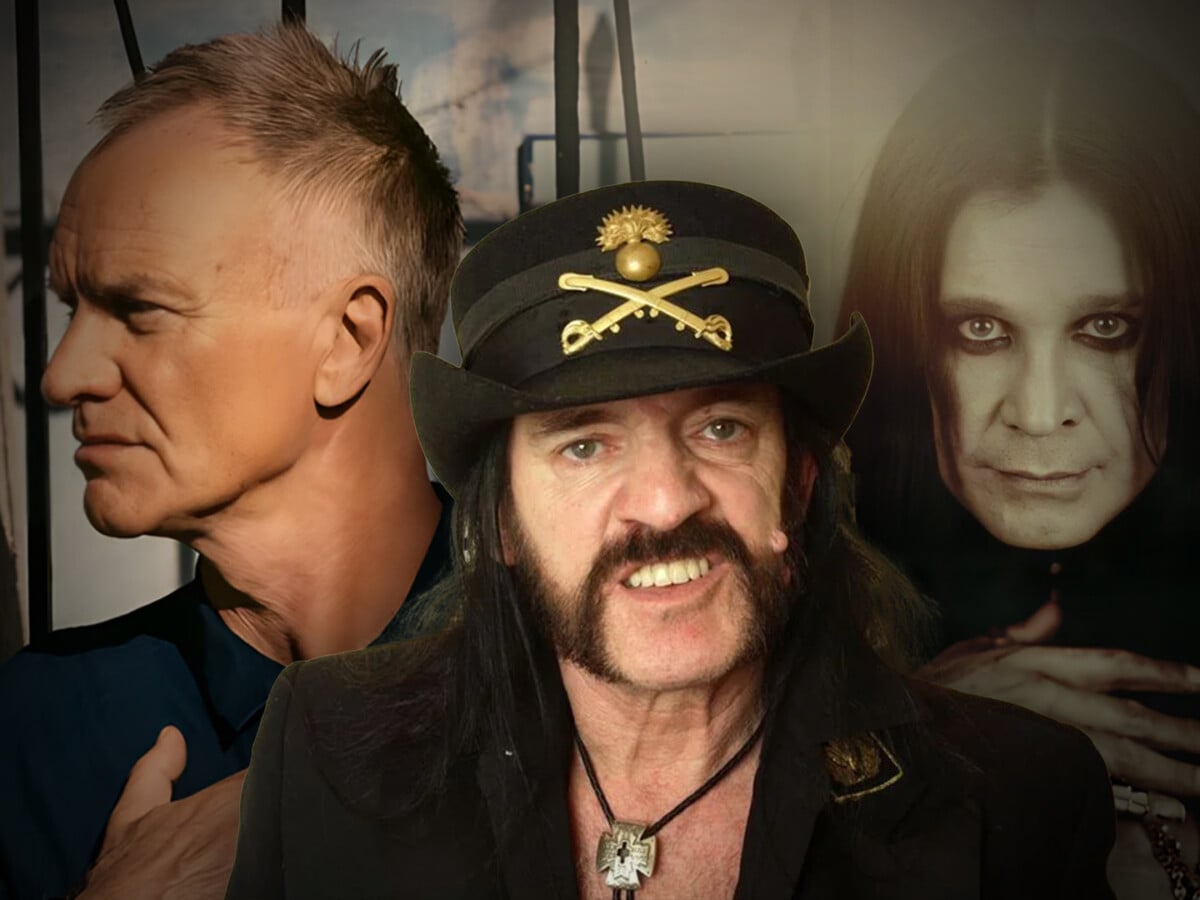
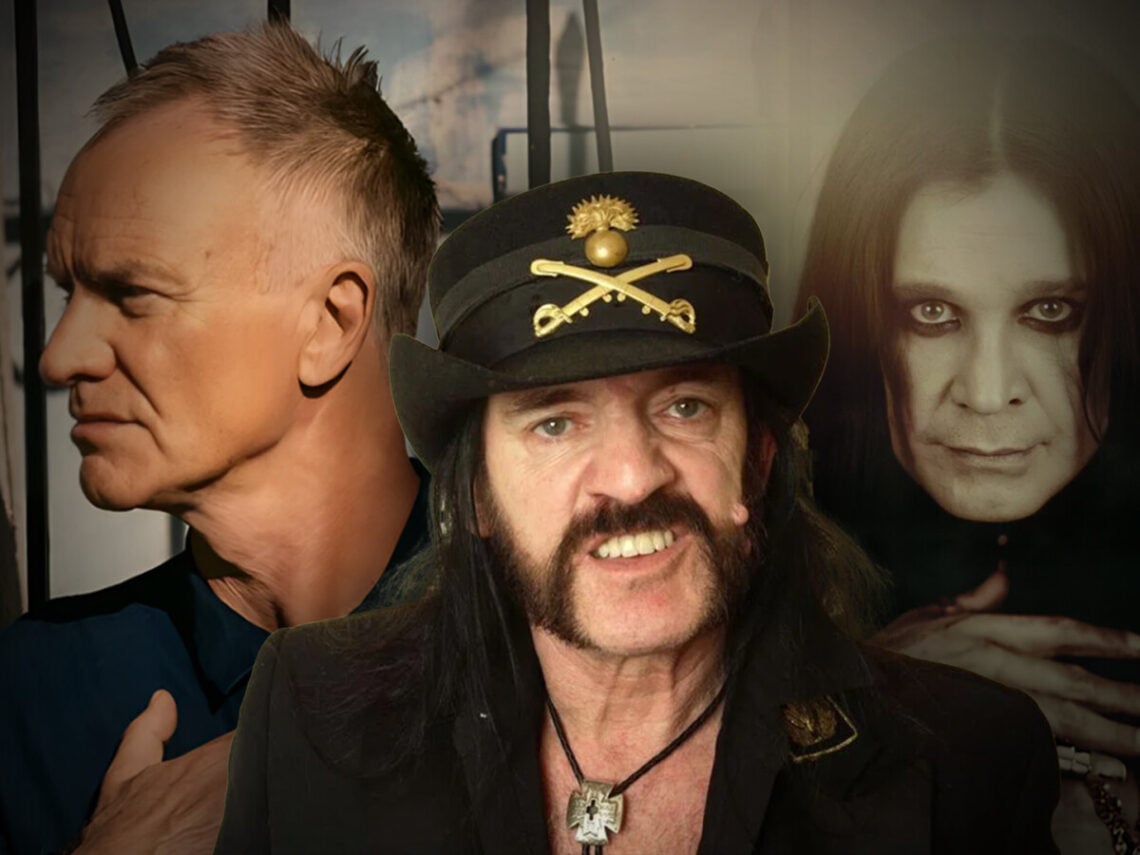
Some of the best musicians on Earth might just be looking for that one magic hook, but the darker side of the genre was usually looking to play the most badass riffs and think about making chart-toppers a little later down the line. And as much as people might love the sounds of heavy riffs these days, it’s not like someone like Lemmy was itching to be a part of the hit parade any time soon.
Motorhead was still one of the finest heavy metal bands in the world when they started out, but it’s not like they were cut out to be pop stars. Lemmy’s voice was the epitome of what down and dirty rock and roll was supposed to sound like, and while that worked best for ‘Ace of Spades’, the rest of the world really missed out on some of the true classics from that period, like Overkill. Everything was supposed to be balls-to-the-wall, but Lemmy had some competition when Ozzy Osbourne started making the dark hymns of Black Sabbath.
But Lemmy and Ozzy tended to come from two different creative pages. Sabbath were influenced by some of the biggest names in hard rock like Led Zeppelin and Cream, and while Lemmy certainly respected them, he always gravitated towards the proto punks that had started in the US. The MC5 meant a lot more to him than a band like Zeppelin, but there was nothing that got in the way of him playing some of his favourite Beatles records when he first started collecting them as a kid.
Everyone else might have thought that The Rolling Stones were the true bad boys, but Lemmy felt that nothing got better than The Beatles, saying, “The Beatles were hard men. Brian Epstein (Manager) cleaned them up for mass consumption, but they were anything but sissies. I did like the Stones, but they were never anywhere near the Beatles – not for humor, not for originality, not for songs, not for presentation. All they had was Mick Jagger dancing about. Fair enough, the Stones made great records, but they were always shit on stage, whereas the Beatles were the gear.”
And while Osbourne was a blues singer at heart, he always maintained that he got into music from the minute that he heard ‘She Loves You’ on the radio, saying, “‘She Loves You’ had such an impact on me. I remember exactly where I was. I was walking down Witton Road in Aston, I had a blue transistor radio and when that song came on I knew from then on what I wanted to do with my life. I owe my career to them because they gave me the desire to want to be in the music game.”
But for as heavy as Lemmy and Osbourne could be, the punk genre wasn’t that far behind them. Ramones and The Clash were showing people that ‘phoney Beatlemania’ had bitten the dust, but for all of the great hymns of rebellion that they played, there were always bands like The Police that had a bit more musicality to them. They weren’t afraid of making pop tunes, and Sting believed that everything he did traced back to The Beatles.
Further reading: From The Vault
He had spent his first years trying to properly learn music, but the Fab Four showed him how much fun music can be, saying, “The reason I’m a musician is because of the Beatles. They conquered the world with their own songs, and therefore gave permission to a younger generation, a decade younger, to try the same thing [and think] ‘Oh we’ll try that, I know those four chords – I could do that, probably.’”
The Fab Four may have given everyone their fair share of thrills, but Sting’s point is probably the most important out of anyone’s. The fact that four cheeky lads from Liverpool could become stars gave everyone else a reason to want to make music of their own, and if Sting, Osbourne, and Lemmy could each become a superstar in their own right from following them, why couldn’t you try it too?
ADD AS A PREFERRED SOURCE ON GOOGLE  The Far Out Beatles Newsletter
All the latest stories about The Beatles from the independent voice of culture.
Straight to your inbox.