
Halloween is just around the corner — but Bat Week is already here.
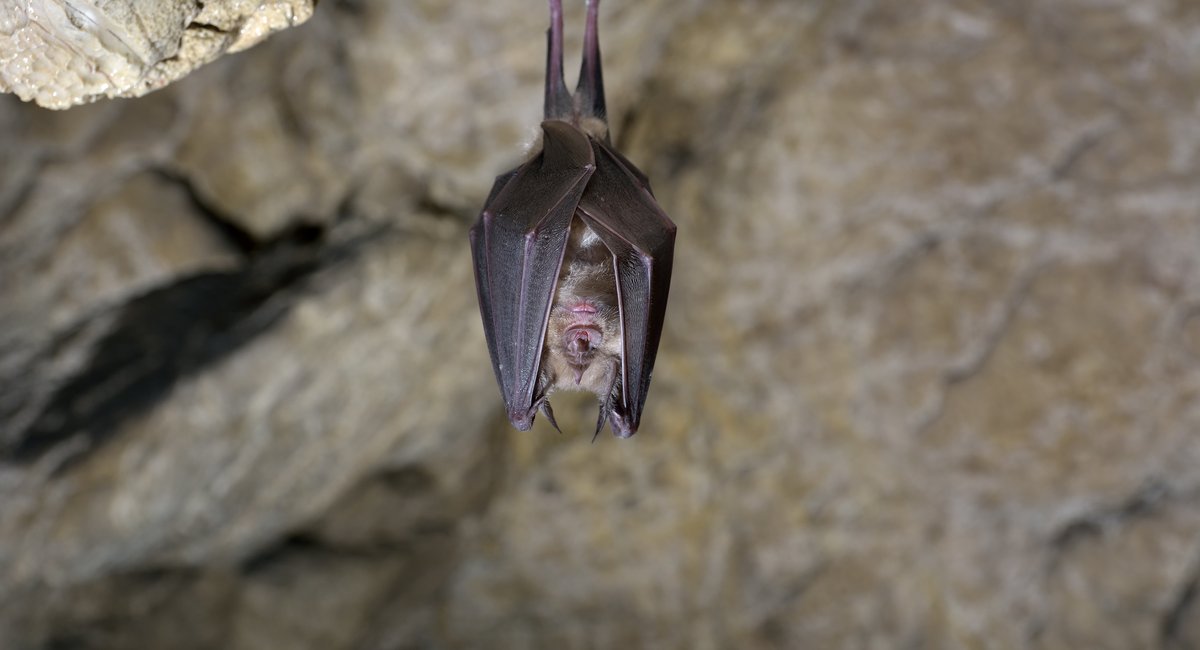
New York state officials are raising awareness of the ecological importance of the spooky season icons and the need for bat conservation — including urging outdoor adventurers to stay away from caves and mines during the colder months to avoid disturbing hibernating bats.
“That helps keep them safe and sound, and prevents them from using extra energy stores from being woken up too often, so that they can make it to spring and survive to the next year,” wildlife biologist Ashley Meyer said in a video posted on the department’s website.
With their voracious appetite for bugs, bats provide more benefits than risks to humans, according to the department. They not only help reduce mosquito populations, but also limit the need for pesticide use on crops and in gardens, and may even reduce the spread of invasive insects.
“ In places where you have healthier bat populations, farmers are able to use a lot less pesticide, and that actually does directly translate into more positive human health outcomes,” said bat biologist and Rutgers University Ph.D. candidate Nic Comparato. “So if you think of the broader food system that New York City sits in, like any place upstate still has a nice healthy bat population flying around their agricultural field, it is using way less pesticide, and that is definitely benefiting us.”
But bats aren’t just upstate in caves, mines and farms — several species can regularly be spotted in New York City.
“ I would guarantee that most New Yorkers who have even walked by a park at night have probably seen a bat, but unless you know what you’re looking at, you would just assume it’s a bird,” Comparato said. “The sudden realization is like, ‘Oh, oh my God, these are bats.’ And once you realize that, it’s like you can really appreciate how different they are.”
Ironically, given the timing of Bat Week, bats become harder to spot as the weather gets colder, according to Comparato, whose research focuses on urban bats in New York City. Comparato leads bat walks through city parks during the warmer months and said the experience has shown them how much New Yorkers can relate to the nocturnal mammals.
“Each bat species has its own set of strengths, each one has its own approach to living in the city, and in that way, they’re a lot like a lot of New Yorkers,” Comparato said. “So I think there’s sort of that connection and that sort of shared resilience and commitment to making this weird place work as a home that I think really does a lot for a lot of people.”
According to the DEC, white-nose syndrome, a fungal disease that has killed more than 90% of bats at some hibernation sites in the state, has been a major threat to New York bats since 2006.
Comparato said the disease decimated the population of tricolored bats, a cave-hibernating species, in New York City. They added that most bats spotted in the city today roost in trees or structures such as old buildings and cemetery mausoleums. People can often identify them by their erratic flight patterns.
“ I say this with love, but bats look like they’re profoundly bad at flying – they’re actually really good at it. It’s just their style of flying is very different from birds,” Comparato said. “It’s much more energetic. They have to constantly flap their wings to stay in the air, so their flight tends to look very, like, zig-zaggy or kinda bouncy.”
Other ways to help protect bats include limiting tree removal during the winter months, planting pollinator gardens to attract insects that bats feed on and keeping cats indoors to prevent them from hunting bats, according to the Department of Environmental Conservation.
And while they might be spooky season icons, bats aren’t as dangerous as people may think, Meyer said in the video.
“A big misconception about bats is that they’re all rabid or they’re all carrying rabies. The truth is that maybe less than a percent of bats actually carry rabies that are out on the landscape,” she said. “People also think that bats want to fly into their hair or want to attack them. That’s absolutely not true. They want to avoid us as much as we want to avoid them.”
Health officials advise people not to handle bats and to seek medical guidance if they may have had contact with one.