
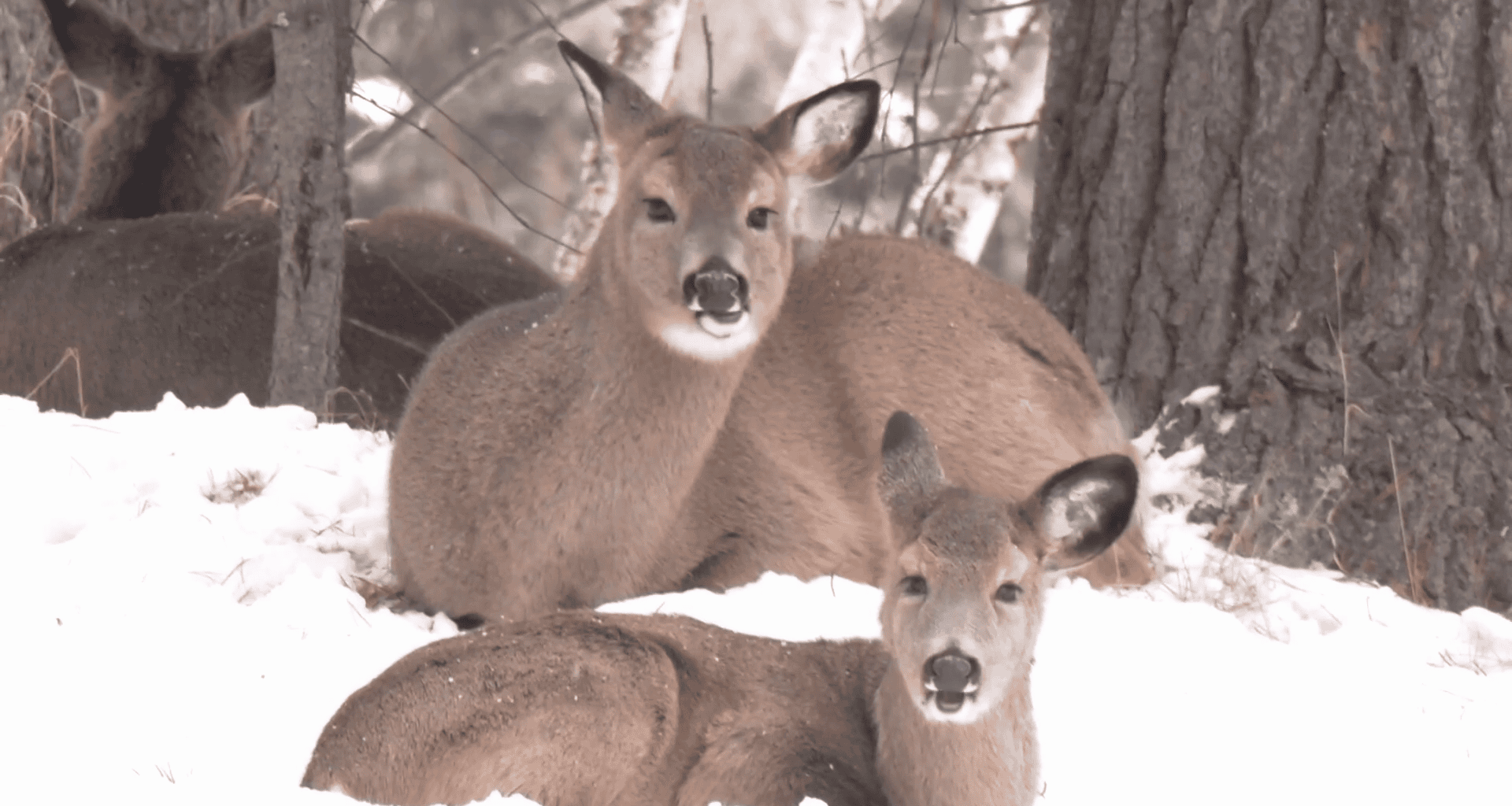
Daylight saving time ends Halloween night, which means more trick-or-treating for us and more danger for deer.
Drivers hit deer a whopping 16% more the week we turn our clocks back, and the last three months of the year see the highest number of deer collisions, experts say.
“Everybody knows the story of, ‘Oh, we changed the clocks and now my dog wants to get fed an hour earlier, an hour late,’” said Jessica LaBumbard, Executive Director at Wildwoods Wildlife Rehabilitation. “Animals don’t understand that.”
Between 2016 and 2020, drivers reported on average 1,244 collisions a year in Minnesota to the Department of Public Safety, but that’s likely a drastic underestimate. Katelynn Rolfes, a Conservation Advocate at Environment Minnesota, said often people just leave the dead deer and don’t bother reporting it to state officials.
Associate Professor Ron Moen at the University of Minnesota said State Farm collision numbers are substantially higher, because people are more likely to report to their insurance.
“When I go from Highway 194 to Highway 33, we found 12 times as many deer vehicle collisions as were reported to the Department of Public Safety,” Moen said.
Drivers hit more deer this time of year for multiple reasons: the deer haven’t had time to learn when the road is busy, it gets darker earlier and they’re often on the move looking to mate. Other wildlife are hitting the road too.
“They’re getting ready for winter,” Rolfes said. “They’re getting ready for the cold to come and they’re moving around a little bit more and getting settled.”
Despite the risk, everything from porcupines to vultures are drawn to the roads to eat litter, road salt or roadkill, and when they’re hit in Duluth, people often bring them to Wildwoods. LaBumbard tries to nurse them back to health, but the mortality rate is about 100% for fawns.
“We see what the human impact on wildlife is, and it’s really, really hard because a lot of it is preventable,” she said.
One obvious solution is to drive more carefully. LaBumbard said drivers need to realize that they’re entering a “living landscape.”
“Animals are living here. Nature is living here. What can I do as a person behind the wheel of this vehicle?” she asked.
The experts say building barriers along the road can keep the wildlife out of harm’s way, and there are other, more creative solutions. Environment Minnesota is advocating for the state to fund safe crossing initiatives, like culverts under the road for deer and other animals to pass.
For Related Stories: Alex Haddon Duluth