
Follow us
Add us as a preferred source on Google
Newsletter
Subscribe to our newsletter
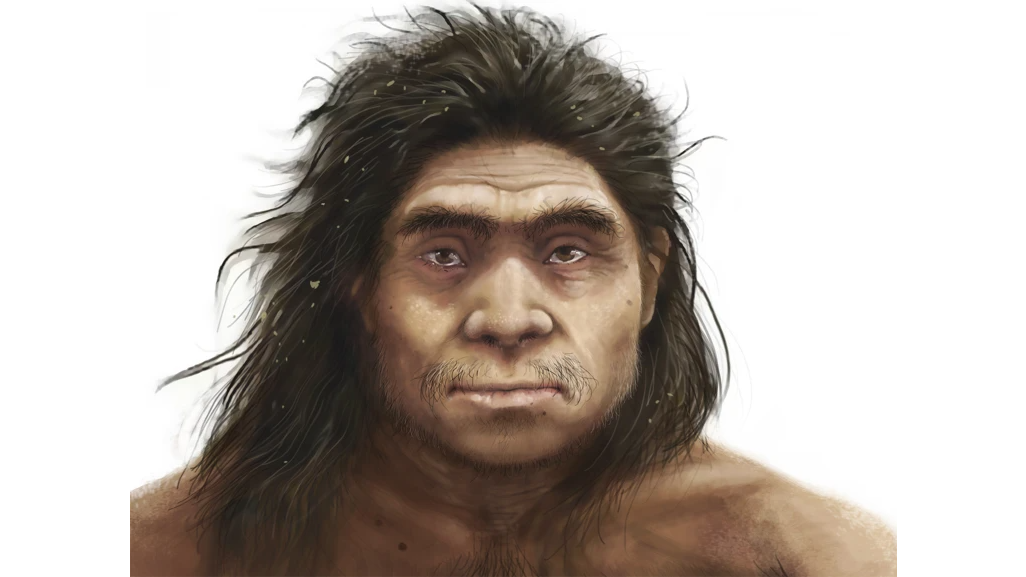
The enigmatic and now-extinct Denisovans of China shared traits with Neanderthals, modern humans and Homo erectus, according to a new study that looked at ancient proteins and fossils. But the Denisovans also had several unique skull traits and genetic variants that made them a distinctive ancient human group, according to the researchers — and these traits have now revealed a new face for a Denisovan man.
In the study, published Oct. 21 in the journal Nature, researchers analyzed Denisovan skulls from the archaeological site of Xujiayao in northern China. The Denisovans were a group of ancient humans who lived in Asia and disappeared around 30,000 years ago. This human relative was first identified in 2010 from the DNA of a finger bone discovered in a cave in Siberia.
Latest Videos FromLive Science
You may like
Xing, S., Wu, Z., Shao, Q., Ge, J., Bennett, E. A., Rao, H., Lin, S., Zhao, Y., Liu, F., Liu, Y., Zhou, K., Feng, X., Jiangzuo, Q., & Fu, Q. (2026). The proteome of Middle Pleistocene Xujiayao and common Denisovan morphology. Nature. https://doi.org/10.1038/s41586-026-11132-z