
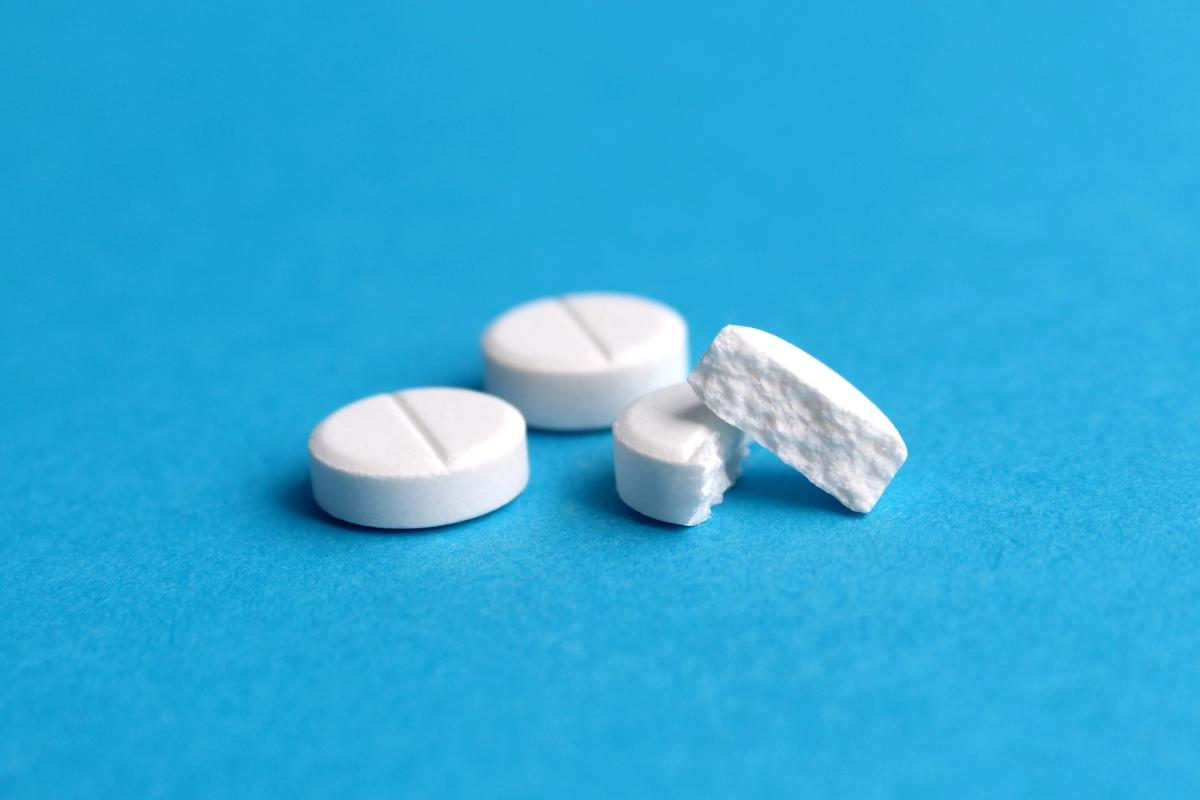
Every dog received a 500-mg tablet. The drug was well tolerated. Mild sedation in some dogs was the only immediate adverse effect observed.1
The work builds on an earlier in vitro dissolution study by the same group. The dissolution study found that splitting the tablets slightly increased drug release, while crushing eliminated the extended-release properties.3
In the new study, crushed tablets produced a higher peak drug level than intact tablets. Crushed tablets also produced lower drug levels between 8 and 12 hours after dosing.1
No validated therapeutic range has been established for levetiracetam in dogs. The researchers therefore used a target level drawn from the human therapeutic reference range. With crushed tablets, drug levels fell below the target at approximately 8.5 hours, compared with nearly 11 hours for intact and split tablets.1
The authors noted that crushed tablets reached peak levels in a time similar to what has previously been reported in dogs for immediate-release levetiracetam. Differences in observed time to peak across tablet forms were not statistically significant. However, an exploratory model estimated an earlier time to peak for crushed tablets than for intact tablets.1
Implications and limitations
The authors wrote that splitting extended-release tablets may provide a practical option for dose adjustment in smaller dogs while preserving every-12-hours dosing. The study was not designed to assess bioequivalence. Even so, the authors wrote that the lack of major differences between intact and split tablets suggests splitting may reduce the need for compounded extended-release formulations. The authors noted that such compounded formulations are not FDA approved and may introduce concerns about quality, stability, consistency of drug strength, and regulatory issues.1
Dogs receiving extended-release levetiracetam are often prescribed the immediate-release form for cluster seizures, when rapid absorption is preferred. According to the authors, some veterinarians anecdotally recommend splitting extended-release tablets to achieve more rapid absorption. In the new study, split tablets did not peak earlier or higher than intact tablets. The authors concluded that splitting did not appear to produce a faster rise in drug levels and is unlikely to provide an advantage when rapid drug levels are needed, such as during cluster seizures.1
Instead, the authors said crushed extended-release tablets warrant further evaluation as an adjunct option during cluster seizures when the immediate-release form is unavailable. The study did not evaluate clinical efficacy during cluster seizures.1
The authors also noted several limitations:
The study tested a single extended-release product. The authors wrote that the findings cannot be assumed to apply to all generic extended-release levetiracetam products without formulation-specific information or direct evaluation.Crushed tablets were given as a suspension in water, so the results reflect that administration method rather than crushing alone.The study did not include an immediate-release comparison group and was not blinded.Dogs were fasted, so the effect of feeding on the results is undetermined.1
References
Mondino A, Nettifee JA, Simon KE, Papich MG, Muñana KR. Tablet crushing, but not splitting, alters the pharmacokinetics of extended-release levetiracetam in dogs. Am J Vet Res. Published online October 23, 2026. doi:10.2460/ajvr.26.08.0360Booth S, Meller S, Packer RMA, Farquhar R, Maddison JE, Volk HA. Owner compliance in canine epilepsy. Vet Rec. 2021;188(4):262–269. doi:10.1002/vetr.16Mondino A, Nettifee JA, Papich MG, Muñana KR. Dissolution characteristics of split and crushed levetiracetam extended-release tablets in comparison with immediate-release formulation. J Vet Pharmacol Ther. 2025;48(4):340–343. doi:10.1111/jvp.13517