
AIKEN, S.C. (WRDW/WAGT) – Savannah River Site officials have terminated the Site Area Emergency declared Wednesday evening at the site located near Aiken.
SRS officials declared the Site Area Emergency at 5:07 p.m. and terminated it at 9:45 p.m.
Protective actions have been lifted, and site barricades have reopened, officials told us.
An incident at the Department of Energy’s Savannah River Site had triggered a “site area emergency” response Wednesday evening. It wasn’t a danger to the public outside the vast SRS border, News 12 was told.
However, the DOE said that one employee was taken to the hospital for minor injuries.
According to SRS, it was a fire in a single room at Savannah River National Laboratory, and there was “an unfiltered ground-level radiological release.”
Radiological surveys indicated no detectable levels of contamination. The dispatch, as well as a news release from SRS, said there was no indication of contamination beyond the site’s boundaries.
They said employees in the lab area, Area A, had to shelter in place behind barricades for about 30 minutes.
After a time, people were allowed to leave, but others were not allowed in. SRS officials said employees who aren’t involved in the emergency response or shutdown operations were sheltered as a precaution.
SRS also said barricades at site entrances had been closed to incoming traffic. Rail, river and air traffic in the vicinity were also being restricted.
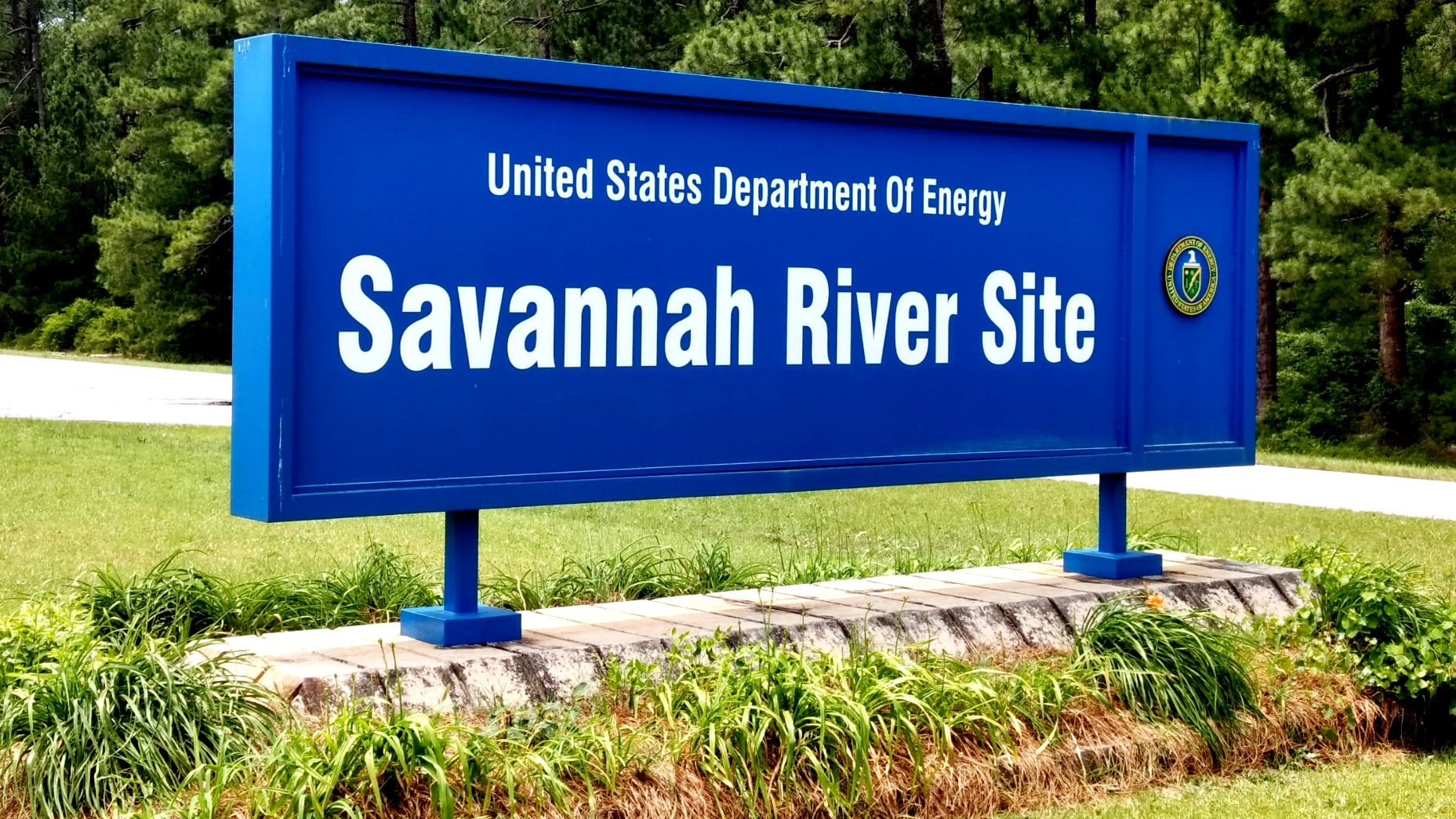
Highway 125 remains open at this time. SRS officials are directing response efforts and have notified the appropriate state and local government agencies.
Oncoming shift workers should report to work as usual, and all other employees should report to work as scheduled on Thursday, SRS said.
News 12 learned of the possible problem when we received calls about traffic near the main gate off Atomic Road around 6:15 p.m.
What is SRS?
The Savannah River Site is a 310-square-mile U.S. Department of Energy complex spread across Aiken, Barnwell and Allendale counties.
Within SRS, the Savannah River National Laboratory is a Department of Energy facility that conducts research in nuclear materials, environmental cleanup and related technologies, making the site both a cleanup project and an active hub for national security and nuclear science.
Built in the early 1950s at the height of the Cold War, SRS was originally known as the Savannah River Plant and was constructed to produce key materials for nuclear weapons, especially plutonium-239 and tritium for the U.S. nuclear arsenal.
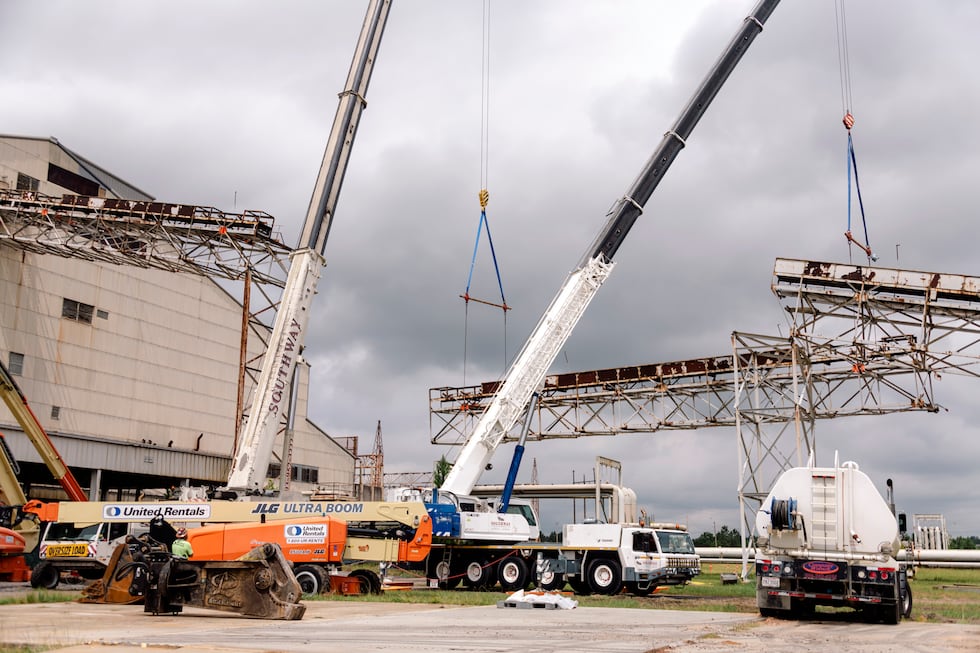 Savannah River Site recently demolished a former coal handling system whose removal further shrinks the legacy footprint at the 300-square-mile nuclear reservation.(SRS)
As weapons production wound down after the Cold War, the site’s mission shifted from making nuclear materials to managing the legacy they left behind.
Today, SRS focuses on environmental cleanup, long-term management and disposition of nuclear materials and waste, and continued tritium operations that support the nation’s nuclear deterrent.
The site stores and processes excess plutonium and spent nuclear fuel in specialized facilities such as H-Canyon and K-Area, and it treats millions of gallons of high-level radioactive waste and solid waste left from decades of weapons production.
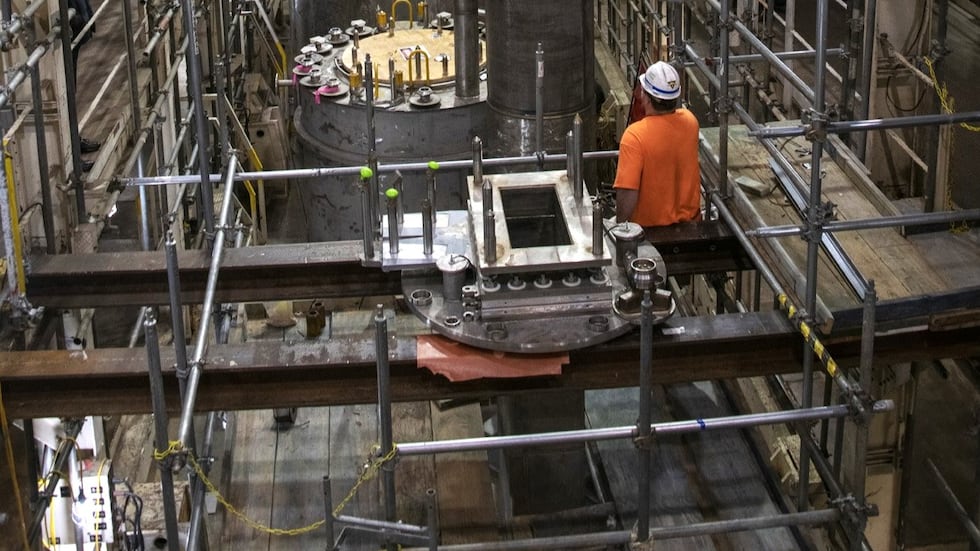 Crews installed an electrolytic dissolver in the H Canyon Chemical Separations Facility at the Savannah River Site to dissolve nuclear material and support DOE’s nonproliferation mission. Before installing the dissolver there, employees conducted test runs in a mock-up facility.(Steve Ashe | SRS)
The emergency on Wednesday is the type of thing SRS emergency crews train for every year.
Each year, SRS performs one graded site-level emergency preparedness drill, three ERO activation drills, over 40 facility-level drills, and several tabletop drills.
The type and location of each scenario are determined by a five-year plan that cycles through all areas and potential hazards at the site.
A Centerra‑SRS spokesperson tells News 12 that “at no time was accountable equipment lost.”
For example, an exercise a couple of years ago simulated a radiological release and contamination emergency in a drill that included nearly 250 personnel.
The 2024 drill unfolded in the Site’s K Area, which is responsible for the removal of plutonium from South Carolina.
After a mock thunderstorm microburst developed quickly over the area, a delivery truck lost control and simulated crashing into K Area’s Criticality Control Overpack pad.
The “crash” resulted in a simulated radiological release from a CCO drum — resulting in several mock injuries, one simulated fatality, and protective actions issued for the area. SRNS personnel swiftly responded to the release, utilizing personal protective equipment to aid the contaminated and injured individuals, transferring them to off-site medical facilities.
Copyright 2026 WRDW/WAGT. All rights reserved.