
Serving a complex family sometimes means declining the structure it asks for, recognising the limits of an adviser’s expertise or revisiting a fee when the work changes. Richard Grasby identified those decisions as practical sources of differentiation in a crowded private wealth market.
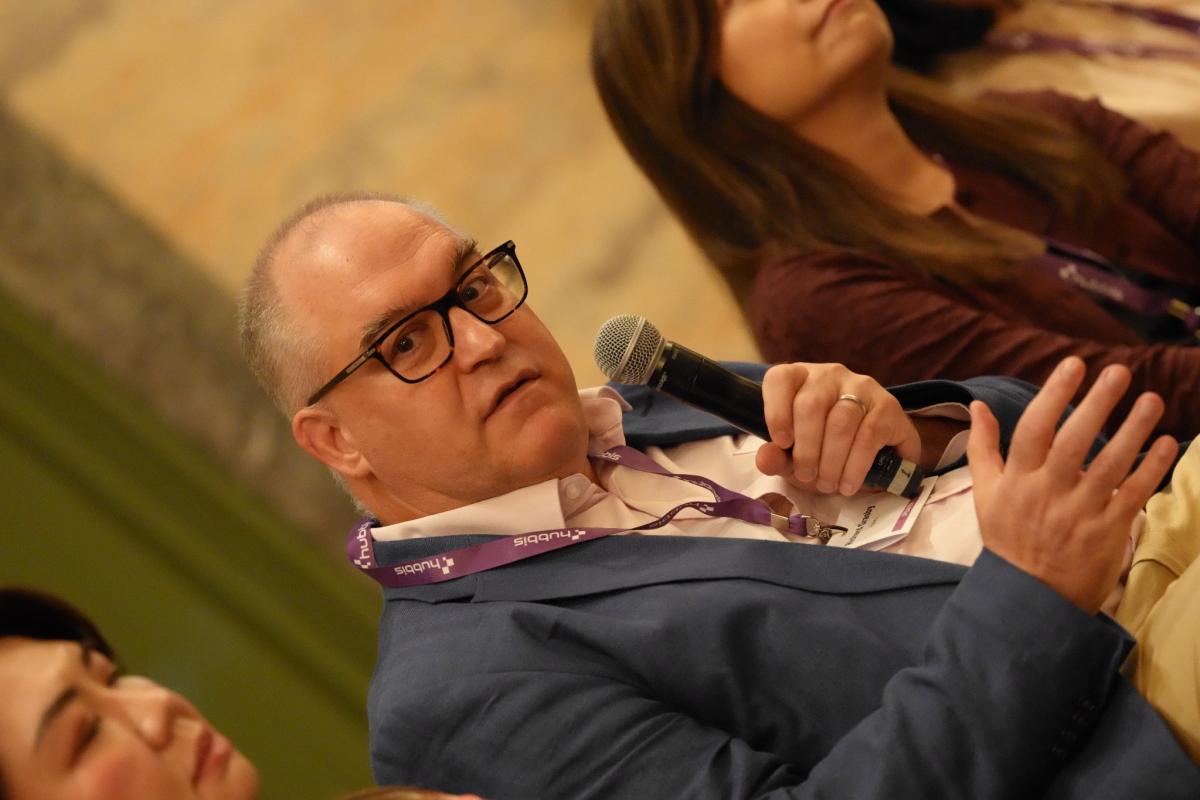
On the opening panel at the Hubbis Wealth Planning & Structuring Forum in Hong Kong on 28 October 2026, Richard Grasby, a Partner at Appleby in Hong Kong, examined what distinguishes advisers when families have more jurisdictions, asset types and personal relationships to consider. His contribution linked specialist judgement with transparent fees, stable teams and a broader view of the family-office ecosystem.
Key Takeaways
Generalist advice can help organise a family’s affairs, but complex circumstances may require specialist input beyond the lead adviser’s expertise.
Declining unsuitable work can be an important expression of professional judgement.
Fee transparency requires clarity about the scope and assumptions behind an initial estimate.
Continuity of personnel reduces the burden on families of repeatedly explaining sensitive personal matters.
Hong Kong’s family-office proposition should be assessed through its capabilities and role in wider arrangements, not simply the number of offices or assets recorded.
Recognise Where Specialist Expertise Is Needed
Grasby described an advisory environment complicated by families’ presence in more jurisdictions, exposure to more asset classes and increasingly intricate personal relationships. Tax and disclosure requirements add further demands.
In that setting, he saw value in professionals being clear about what they know and where their knowledge ends. Generalists remain useful, but they cannot provide the complete answer to every specialist question.
“So, one person cannot know everything about everything, so involving other experts sooner rather than later is a differentiator,” he said.
His concern was not limited to obviously incorrect advice. A recommendation can be broadly sound yet still fall short of what a high-value, complicated family needs. Knowing when to bring in specialist expertise is part of the service, rather than an admission that the advisory relationship has failed.
Look Beyond the Assignment Requested
Grasby illustrated that distinction with a proposed Cayman trust assignment involving a family with US connections. He said he had queried the US consequences, checked with an adviser and then ultimately declined the work after identifying a potentially adverse tax consequence on the settlor’s death.
The example was not offered as a general rule about whether an offshore trust is suitable. It showed why an adviser must consider the family’s circumstances rather than simply deliver the instrument requested.
Grasby acknowledged the commercial tension. Accepting an assignment may generate revenue, while declining it can be the better decision for the client. Differentiation, in his account, includes being prepared to make that choice.
Explain What a Fee Actually Covers
The same attention to detail applied to fees. Grasby compared asking for the price of a trust without knowing the family’s circumstances to asking for the price of a house without specifying its location or size.
The initial number can nevertheless become the figure the client remembers. If the assignment subsequently expands, an adviser may find it difficult to explain why the original estimate no longer describes the work required.
His approach emphasised defining the scope, including what the adviser is not being asked to do. The client needs to understand the assumptions on which a quote rests and how a material change in the assignment affects it.
That makes transparency a matter of explaining the work, not merely disclosing a number. Without that context, an apparently clear quotation can create an expectation the actual assignment cannot support.
Continuity Protects Sensitive Relationships
Grasby also identified staff retention as a meaningful distinction between firms. Wealth planning often requires families to disclose difficult or personal information. Repeating it to a succession of new advisers imposes a burden that is not captured in the range of services offered.
Industry consolidation and integration can bring personnel changes, but a team that remains together retains an advantage. It carries knowledge of the family and the context behind earlier decisions.
For Grasby, that continuity sits alongside expertise and fee transparency as a practical measure of service quality. Families need confidence in the people handling their affairs, not simply familiarity with the institution’s name.
Assess the Family Office Ecosystem More Broadly
Turning to Hong Kong, Grasby questioned comparisons based primarily on the number of family offices or the assets associated with them. Different definitions can conceal very different activities.
He described a broader ecosystem encompassing trusts, captive insurance, philanthropy, funds and arrangements for holding assets. The decision-makers, structures and service providers do not all have to be in the same place.
“So, I’m less about the statistics and more about the ecosystem,” he said.
Grasby argued that Hong Kong’s legal system, expertise and cultural and linguistic connections give it a valuable role within cross-border family arrangements. He did not suggest that it should be the only location involved. Other jurisdictions may offer different structures, markets or specialist capabilities.
That returns the discussion to the judgement required of advisers. Understanding the family’s needs, identifying the expertise available and being clear about the limits of an individual solution provide a firmer basis for planning than treating either a jurisdiction or a service provider as a complete answer.