
 Michael Siluk/UCG/Universal Images Group via Getty Images
On Nov. 9, the U.S. Food and Drug Administration (FDA) warned the public about the potential for GLP-1 drug users to develop a serious eye condition known as non-arteritic anterior ischemic optic neuropathy (NAION).
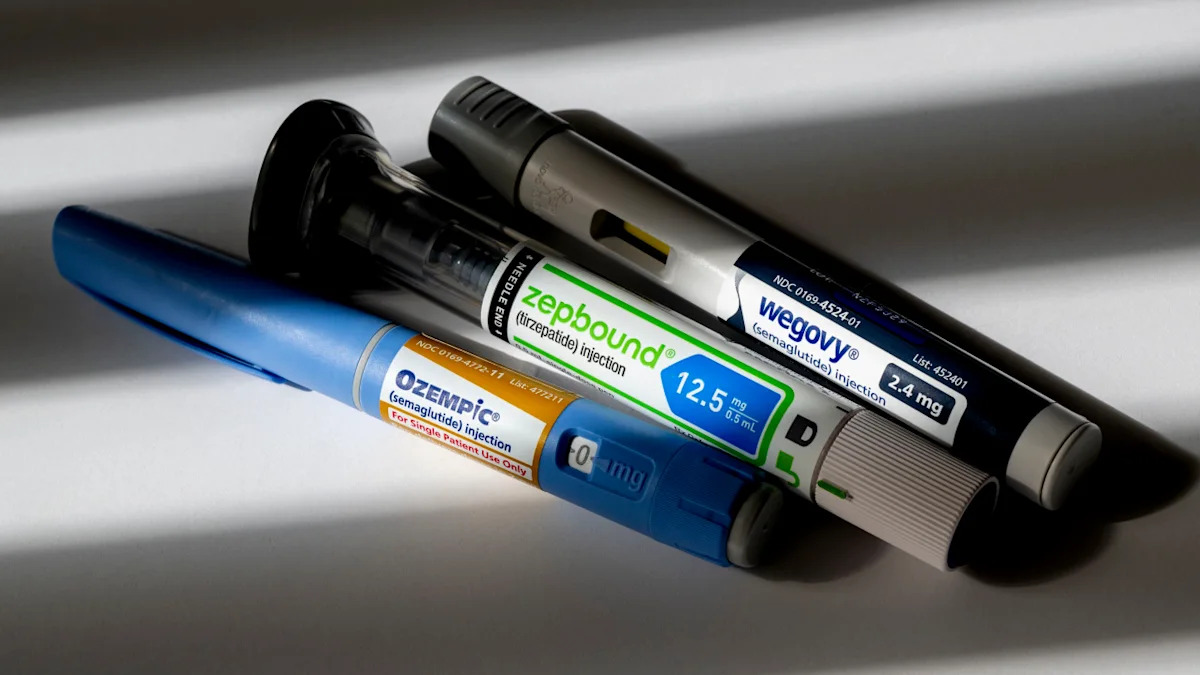
With this in mind, the FDA is now requiring the companies that produce GLP-1 drugs — such as Novo Nordisk, which produces Wegovy and Ozempic, as well as Eli Lilly, which produces Zepbound and Mounjaro — to include information about this risk on their packaging.
Must Read
“FDA’s drug safety communication applies to all medicines with GLP-1 RA activity and does not reference any findings specific to Lilly medicines,” said a Lilly spokesperson, according to CNN. “We are carefully evaluating the update and will respond to FDA promptly.”
NAION is a rare condition that can cause rapid-onset vision changes and loss that can result in blindness. It typically occurs in people over the age of 50 and is usually permanent. While the underlying cause has yet to be completely understood, this condition is believed to be caused by a decrease in blood flow to the front section of the optic nerve.
This news comes after a number of lawsuits were filed by GLP-1 users who say they were not sufficiently warned that taking the drug could result in vision loss. Before the FDA ruled on updating GLP-1 warning labels, NAION was not listed on the medication’s packaging in the U.S., but is included in some other countries.
In June, Novo Nordisk updated labels for Wegovy and Ozempic in Europe to read that semaglutide, an active ingredient in weight-loss drugs, may cause NAION in one in 10,000 patients.
Evidence linking GLP-1 medications and NAION is mixed. While some research has suggested a possible association, other studies have found no correlation between the two. In May, The American Academy of Ophthalmology said there was insufficient evidence for a blanket warning, writing “causality has not been established.”
What do GLP-1 makers say?
“Patient safety is Lilly’s top priority,” Eli Lilly said in a statement to Moneywise.
“We actively monitor, evaluate and report safety information for all our medicines to the FDA. As part of our routine safety review process, we have ongoing discussions with regulators regarding potential safety topics and we will continue to review data, including any data regarding ophthalmic issues. If anyone is experiencing side effects when taking a Lilly medicine, they should talk to their doctor or other healthcare professional.”
Novo Nordisk said it believed the personal injury lawsuits filed against the company were “without merit and we are defending them.”
“Patient safety is a top priority for Novo, and we take all reports of adverse events seriously,” Liz Skrbkova, head of U.S. media and stakeholder relations for Novo, told Moneywise. “We care deeply about the wellbeing of people who take our medicines and collaborate closely with health authorities and regulatory bodies worldwide.
“Semaglutide has a well-established safety profile, supported by robust clinical development programs. We recommend that all patients maintain close contact with their healthcare professional for proper diagnosis, appropriate treatment, ongoing guidance and careful monitoring.”
Recent pickup in usage
The lawsuits surrounding GLP-1 drugs and NAION didn’t just pop up. In January, a Maryland truck driver claimed an “eye stroke” left him blind, and he blamed it on GLP-1 drugs. And while the current lawsuits represent a small fraction of the people taking the weight-loss drugs, recent changes in availability are putting more of a spotlight on them.
Just under three months ago, a new federal program expanded access to GLP-1 drugs under a program known as Medicare Bridge. At the end of August, federal officials said 600,000 older Americans had signed up to receive the drugs, which cost just $50 per month.
Medical officials say patients who are taking semaglutide who haven’t experienced any symptoms should continue to take the medication. People who have not started yet and are concerned about the risk of NAION should consult their doctors before deciding whether to proceed with GLP-1 drugs.
With files from Chase Kell.
What To Read Next
Join 250,000+ readers and get Moneywise’s best stories and exclusive interviews first — clear insights curated and delivered weekly. Subscribe now.
This article originally appeared on Moneywise.com under the title: FDA warns about alarming eye risk with GLP-1 drugs after dozens sue over vision loss tied to the medication
This article provides information only and should not be construed as advice. It is provided without warranty of any kind.