
Hurricane season is here, and just as things start to pick up, the U.S. is planning to shut down some key weather satellite data.
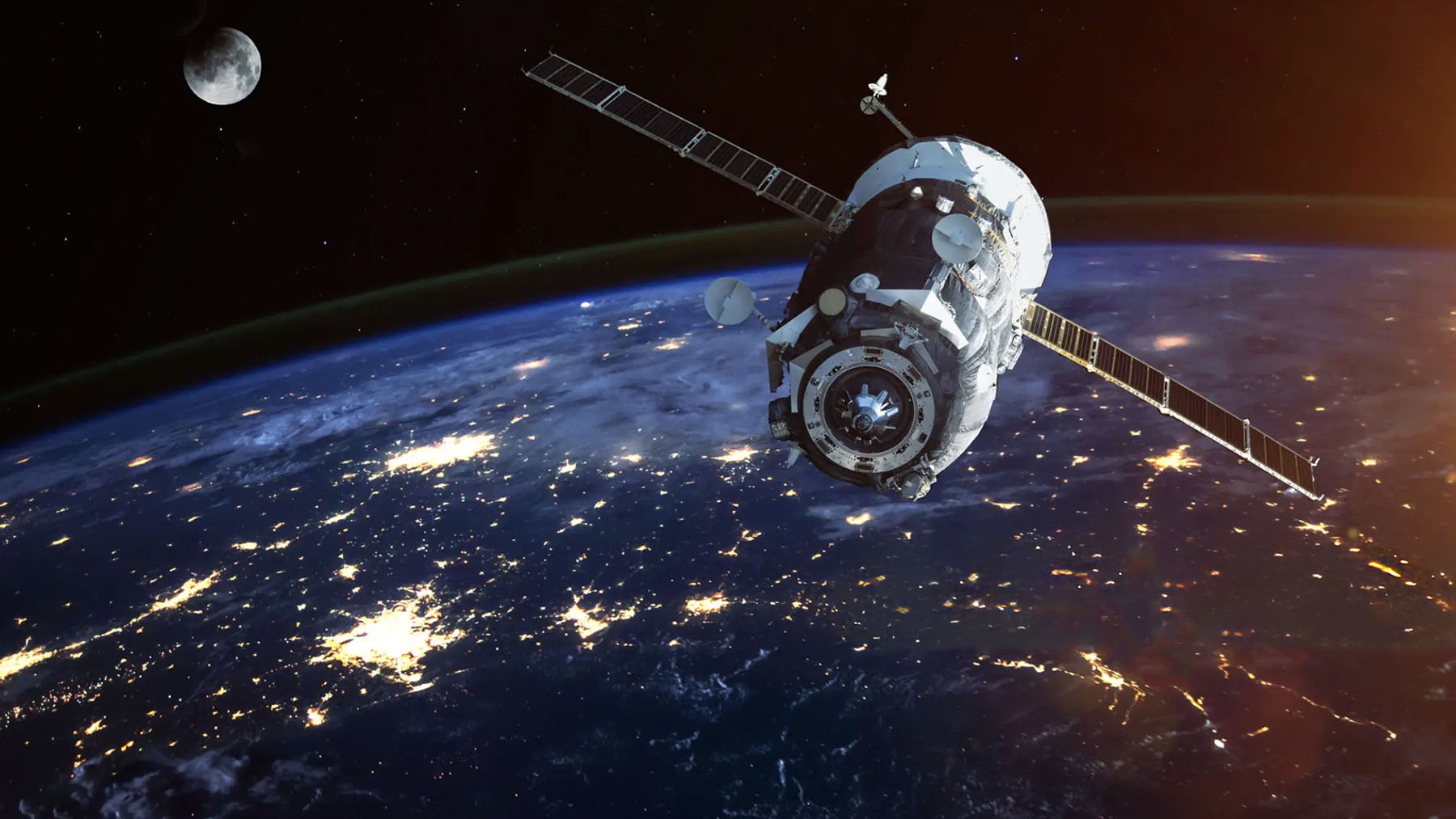
This information comes from the Defense Meteorological Satellite Program (DMSP), old weather satellites that are still up there doing their job. Three of them, Satellites F-16, F-17, and F-18, are still sending back useful info, even though they’re way past their expected lifespans. They collect things like microwave data using something called SSMIS (Special Sensor Microwave Imager Sounder). It’s not flashy, but it works, and most of all: It helps with hurricane prediction, especially during the busy Atlantic hurricane season from June to November.
So why pull the plug now? Well, originally, the cutoff was going to happen at the end of June, but now it’s been delayed until the end of July. Still feels like is coming very fast though. According to the National Oceanic and Atmospheric Administration (NOAA), it’s about cybersecurity. They said there’s a risk these satellites could cause problems for government supercomputers, which process huge amounts of data. Karen St. Germain at NOAA made the request, and the Department of Defense agreed. We don’t know yet the exact details, but clearly, they’re concerned enough to act.
What’s creating concern among the scientist is that, this decision might make storm forecasting harder just when we need it most.
But wasn’t there a new satellite in space to help?
Here’s where things get tricky. A replacement satellite, WSF-M (Weather System Follow-on Microwave) was launched in 2024 on a SpaceX Falcon 9 rocket. It’s supposed to take over for the aging DMSP fleet. So that sounds like good news, right?
Not quite. According to Michael Lowry, an expert on the field, the data from WSF-M isn’t available to forecasters yet, and there’s no clear plan to make it available anytime soon. So for now, the people at the National Hurricane Center and other forecasting teams are losing valuable information with no real backup.
That means fewer satellite updates, less real-time tracking, and possibly slower or less accurate hurricane warnings. Not ideal when storms can pop up quickly and hit hard, for people living in areas who need time to prepare. Yes, the timing’s not great and nature doesn’t wait for anyone.
Can AI help fill the gap?
Nothing has been settled yet but there’s hope coming from artificial intelligence.
NOAA, the National Hurricane Center, Google DeepMind, and Google Research are working together to explore how new artificial intelligence models could improve forecasts. These systems are being trained on decades of storm data. They learn patterns, run predictions, and might one day help forecasters see what’s coming even faster than before.
And yeah, that sounds great, but even the smartest AI still needs weather satellites to feed it fresh data. Without that input, AI is working with old info, and that can only take it so far.
The future of storm forecasting is probably going to be a mix: AI plus satellite data. High-tech tools powered by space-based observations. But right now? We’re in a bit of a tough spot.
Should we be worried about a natural disaster this season?
Yes, but not in a panic kind of way.
So as we move through this hurricane season, forecasters are doing their best with what they’ve got. They’re watching the skies, crunching the data, and hoping that the new tools, both in orbit and on Earth, come online soon. Because when it comes to big storms, every minute counts.
With the U.S. losing access to key weather satellite data, there’s concern that storms could be harder to track or predict in real time. That means people living in coastal areas might have less notice to prepare or evacuate.
It’s a good time to stay informed, check your emergency plan, and keep an eye on official updates, just in case.