
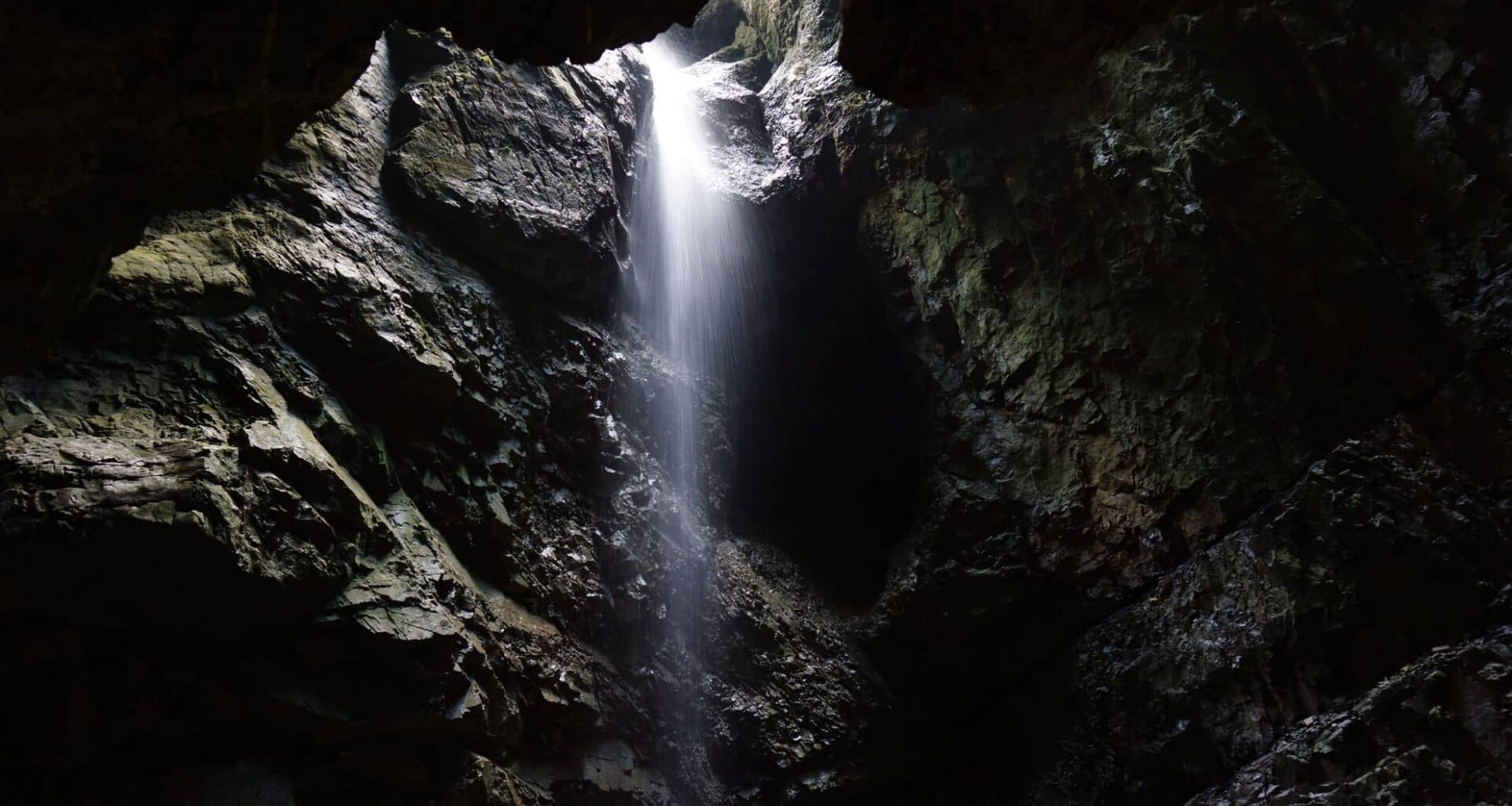
In an intriguing recent discovery, Kyung-Hoon Jeong and his team from Jeonbuk National University unearthed new species of pseudoscorpions on the West Bank of Aswan in South Korea. These creatures, named the dragon pseudoscorpions, exhibit a unique set of features that link them both to the mythical and the real, but their significance goes beyond just their appearance.
The Evolutionary Wonder of Dragon Pseudoscorpions
The newly discovered species belong to the family Pseudotyrannochthoniidae and possess jaws resembling those of dragons in ancient mythologies. These fascinating creatures, measuring between 1-3mm, boast relatively gigantic chelicerae, the mouthparts that they use for capturing their prey. In a statement to BBC Wildlife, Jeong noted, “These resemble the jaws of dragons in ancient mythology.” This fantastical appearance may lead one to believe that the pseudoscorpions are a relic of some otherworldly fantasy, but in reality, they play an essential role in the ecosystems of the South Korean caves.
Despite their dragon-like appearance, these pseudoscorpions are entirely blind, adapted to their dark underground habitat where vision is irrelevant. Over time, these creatures have lost their pigmentation, as there is no need for sun protection, making them particularly unique compared to their relatives found on other continents.
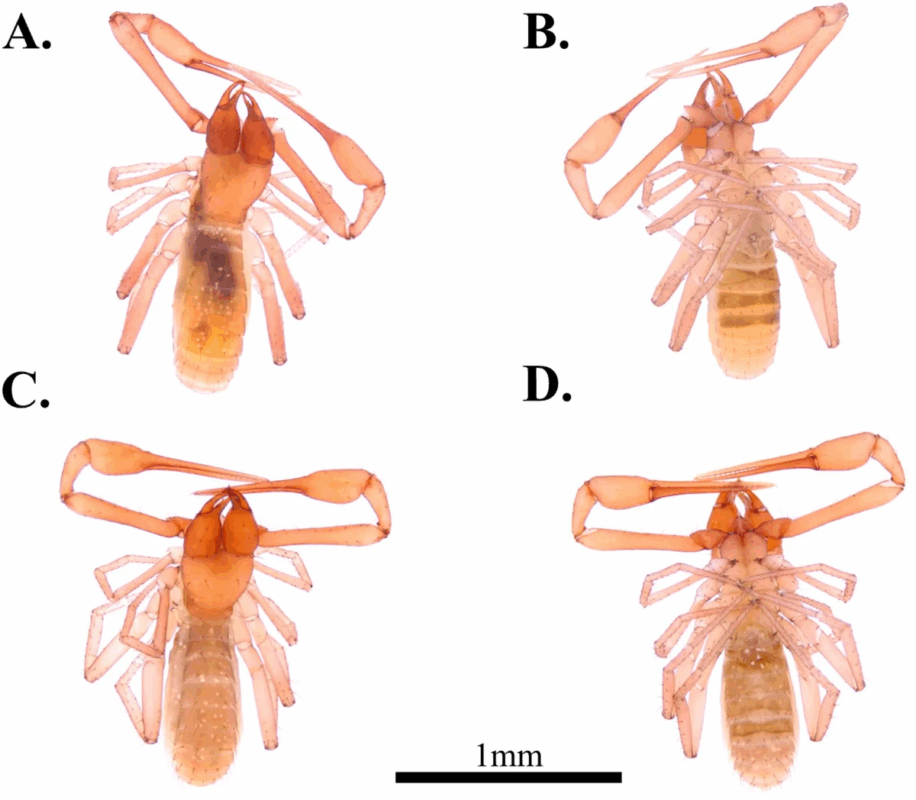 The tiny dragon pseudoscorpions (Spelaeochthonius dugigulensis, pictured here) measure between 1–3mm in length. Credit: Jeong et al., 2025, PLOS One
The Importance of Caves in South Korea for Biodiversity
South Korea’s caves remain some of the least explored environments in the world. There are over 1,000 caves scattered across the country, many of which are still waiting to be studied for their biological diversity. The dragon pseudoscorpions, along with other species, call these caves home, thriving in the dark, isolated ecosystems far from human reach. The discovery of such species highlights the tremendous potential for finding undiscovered wildlife in these caverns.
Jeong and his team argue that the caves’ isolation, along with the absence of sunlight, has fostered evolutionary adaptations like the blindness and pale coloration seen in these pseudoscorpions. However, these creatures are not unique to South Korea. Dragon-like pseudoscorpions are found worldwide, except in Antarctica, although the species discovered in South Korea may be endemic to the region.
Preserving South Korea’s Unique Cave Biodiversity
Sadly, South Korea’s cave habitats are under increasing threat due to climate change, urban development, and tourism. As more caves become accessible to the public, human influence has the potential to disrupt the fragile ecological balance within these environments. To preserve the diverse species such as the dragon pseudoscorpions, Jeong’s research team emphasizes the need for increased conservation efforts. Without a better understanding of the biodiversity within these caves, the opportunity to protect these unique species may slip away.
Given the threats facing the habitats of these extraordinary creatures, there is a clear call for increased environmental protection. As researchers continue their work, the hope is that a greater understanding of cave lifeforms will lead to more effective conservation strategies and allow the remaining caves to stay protected.