
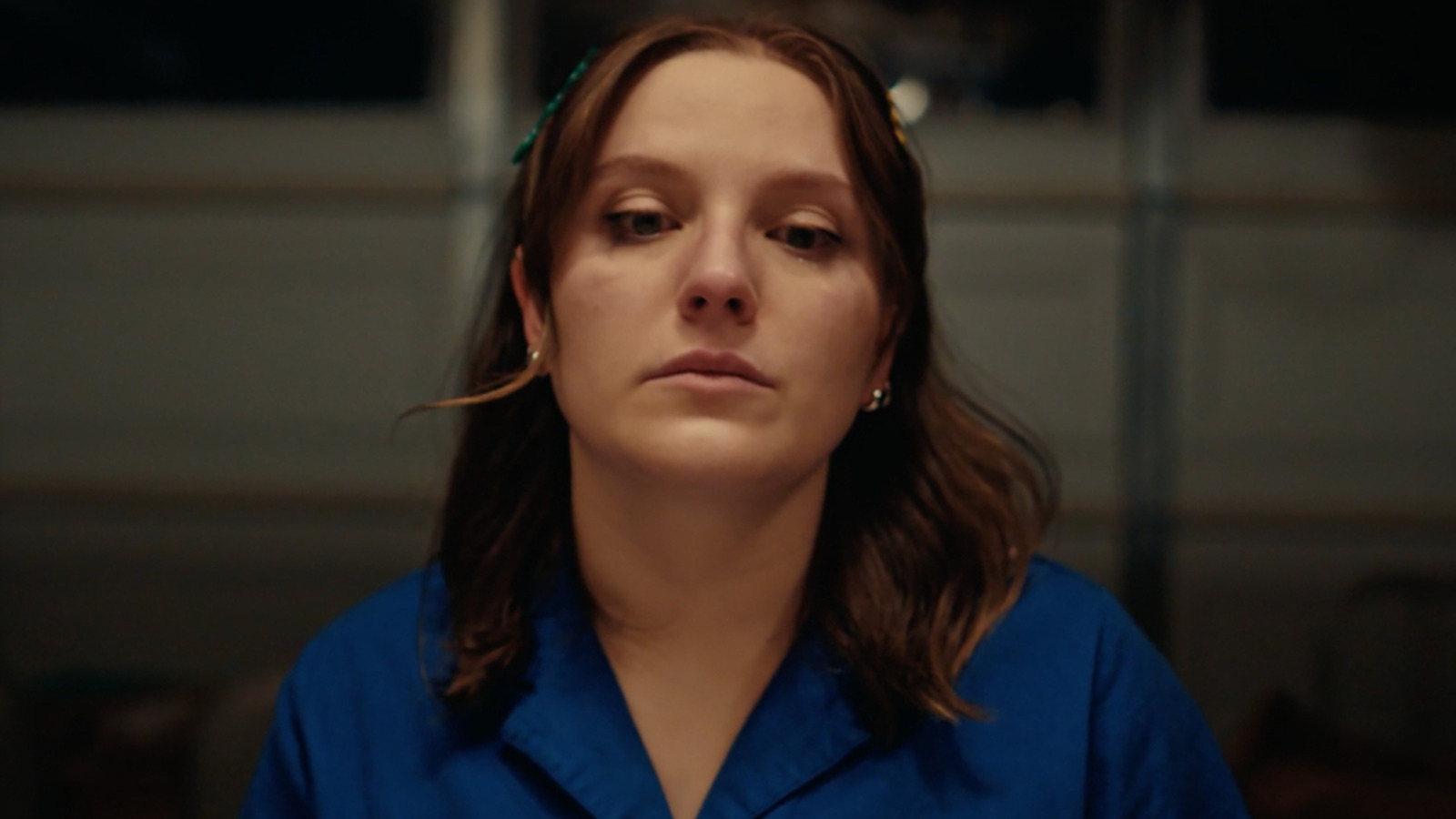
An unfortunate reality is that when a person dies, regardless of how terrible they were while they were still part of the moral realm, people are quick to martyr them. Even with the knowledge that Tillie’s father, Daniel (a hilariously sleazy Craig Bierko), was the kind of man who stole money from his ex-wife, called his daughter the c-word when she was 11, and lived in his car parked in the driveway belonging to his eldest daughter, Violet (the always brilliant Vic Michaelis), Tillie is struggling to care about her dad’s passing. When you’re the only member of your family to truly cut ties with someone, being isolated in that experience can start to make you feel like you’re a heartless ghoul, even without the complication of your dad “Poltergeisting the house” or terrorizing a Jewish exorcism for attention.
Clocking in at just over 80 minutes, “D(e)ad” is a brisk treat in a cinematic landscape that often confuses length for depth. Sure, it’s visibly an indie film made on a modest budget and filmed in the real-life homes and apartments of the actors on screen, but that only adds to the movie’s charm and makes its frenetic oner and in-camera mirror effects even more impressive. All of the characters are fully realized and well-defined, and Roland plays right into all of their strengths, including her own. She even cast her husband, Brennan Lee Mulligan (“Dimension 20”), as a customer service representative for the company handling David’s body. Even without sharing the screen together, Roland and Mulligan’s comedic and romantic chemistry is off the charts.
Because “D(e)ad” is based on Roland’s own process dealing with the death of her real-life complicated father, and the cast is primarily composed of members of her real family, including her mother (Lonow), grandparents (Mark Lonow and Joanne Astrow), and mother’s longtime partner (Jonathan Schmock), the emotional center is palpable. It feels like we’re peering into the lives of a family, because we are. The world they’ve presented feels lived in, because it is, but with the sharp direction of a TV veteran.
But the film lives and dies — no pun intended — on Roland’s performance. One pivotal scene sees Tillie going through the remains of her father’s dilapidated apartment, using every bit of emotional strength she has in the hopes it will be enough for his ghost to finally appear to her in the mirror. It’s a moment of fearless delivery for a performer the general public is used to making broad comedic gestures (Roland is responsible for the Google Chrome extension that allows you to add a cartoon butthole buddy to episodes of Dropout’s “Game Changer”), as well as a deeply vulnerable examination of the messy mourning process. It’s the emotional crux of the dark comedy, and also where the film feels the most cinematic.
You can resent someone you love, and you can mourn someone you hate … and sometimes, that’s the same person.