
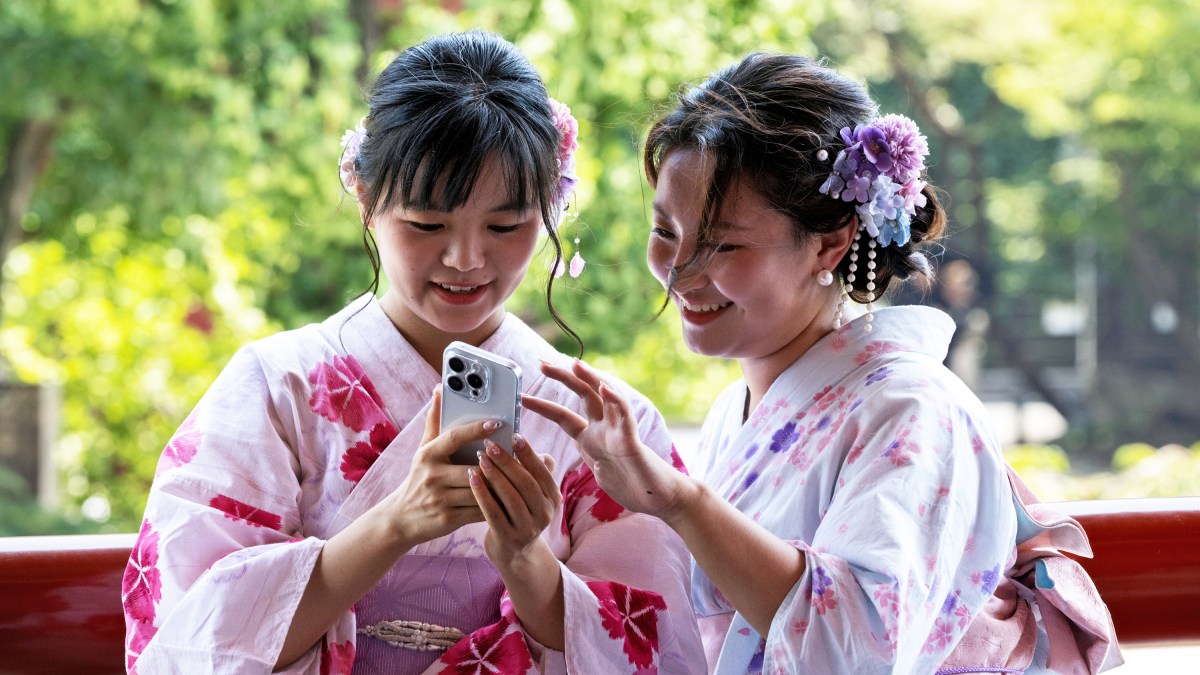
Until August, Toyoake in central Japan was one of those medium-sized places that basked contentedly in peaceful obscurity.
In the 16th century, two armies of samurai fought a famous battle here but, ever since, the town of 68,000, a commuter suburb of the city of Nagoya, has avoided drama and controversy. Then Toyoake woke from its slumber on the front line of a fierce debate that has thrust it into the news and divided its people.
It began with a press conference by the town’s mayor, Masafumi Koki, at which he presented a four-page document to be voted on by the town assembly on September 22. The “City Ordinance on the Promotion of Appropriate Use of Smartphones, etc” sets out the town’s official policy on digital devices in terms tougher than anywhere else in Japan.

Concern about hikikomori, or social withdrawal, has prompted an attempt to restrict phone use in a town in Japan
NORIKO HAYASHI/BLOOMBERG/GETTY IMAGES
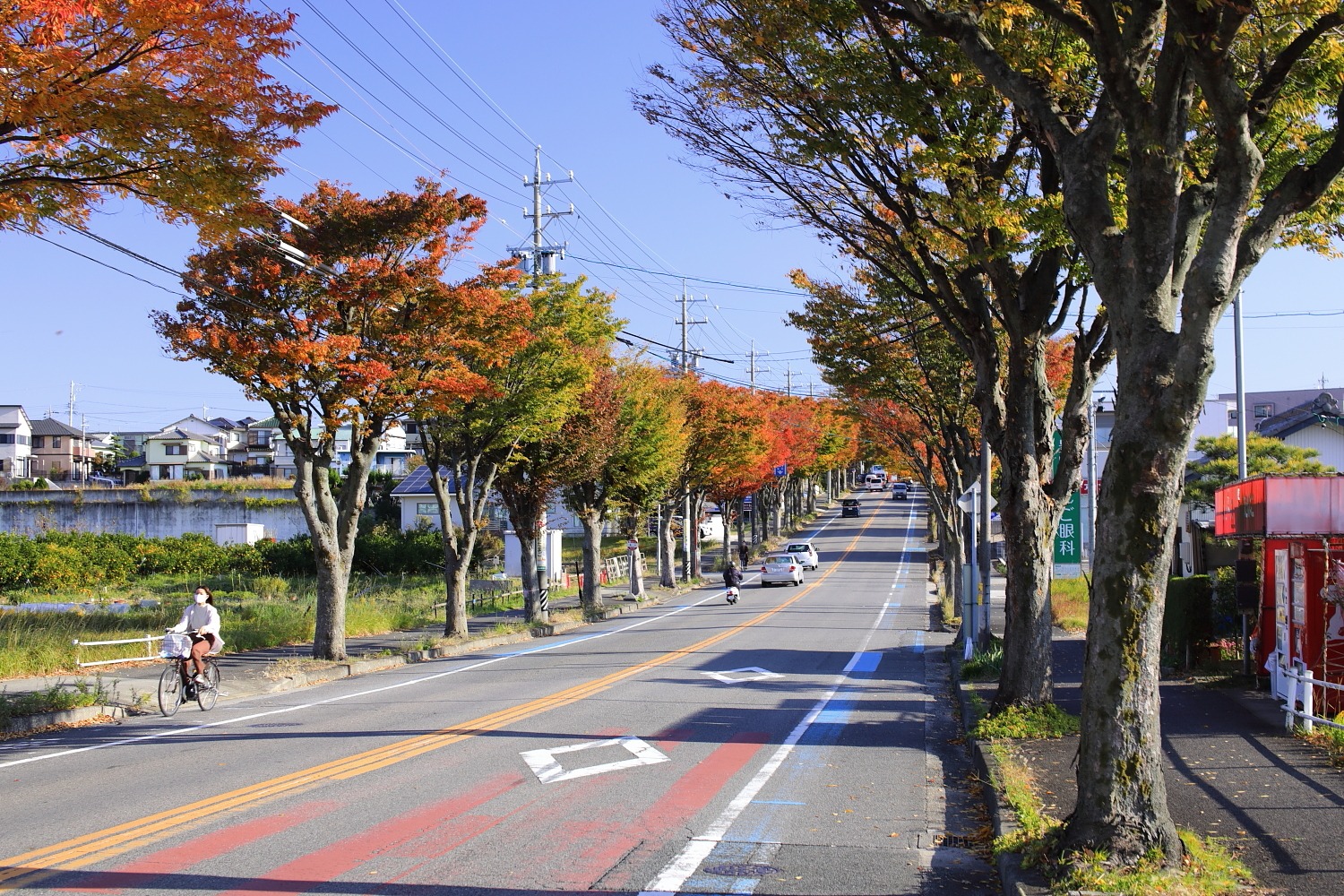
Toyoake is at the centre of a debate on smartphones and government intervention
While acknowledging the indispensable nature of digital devices, it describes the harm done by “excessive” use of phones, tablets and games: disrupted sleep and daily routines and harm to family relationships “by reducing family communication time”.
It declares: “Particularly for children in their physical and mental growth phase, including infancy, this risks hindering healthy development. This ordinance is enacted to comprehensively promote measures against the adverse physical, mental and lifestyle effects that excessive use of smartphones and similar devices may cause.”
• Meet Do Nothing Rental Man, Japan’s unlikely social media star
It commits the city to “promoting” the “appropriate” use of smartphones. Specifically, “the city, guardians, schools and professionals shall collaborate to encourage limiting the use of smartphones and similar devices during leisure time to two hours per day”.
Primary school pupils are encouraged to switch off their phones at 9pm and older children no later than an hour after that. The proposal has prompted scores of emails and phone calls, a vigorous online debate and a protest movement dedicated to blocking it.

The use of smartphones by Japanese children has exacerbated the problem of many refusing to go to school, say the authorities
JIANGANG WANG/GETTY IMAGES
“My first reaction was ‘what’s all this about?’” said Mariko Fujie, a member of the Toyoake town assembly and an opponent of the ordinance. “It’s good that this has made us think and talk about these issues, but there has been no proper study, no listening to the voices of citizens. And this is too much interference in private matters. I have to say [to the city authorities]: it’s none of your business.”
Toyoake is not the only government struggling to balance individual freedoms with regulation of the harmful effects of digital devices. Australia has passed legislation banning under-16s from certain social media platforms, including Facebook, TikTok, YouTube and Instagram. This week, a French parliamentary commission recommended a similar ban for under-15s and an overnight “digital curfew” for 15 to 18-year-olds.
The attachment that people feel to their digital communications, and the passions that are aroused when they are threatened, has been obvious in Nepal, where the prime minister resigned this week after riots followed the intention to ban social media sites.
Koki was spurred to push for the ordinance because of anxiety about the effects of social media on children, some of whom have dropped out of school and are known as futoko, or school refusers.
“Because they are at home, they use their smartphones more,” said Koki. “The more they use them, the less they sleep. Their lives end up almost reversing daytime and night-time — and that worsens the school refusal.”
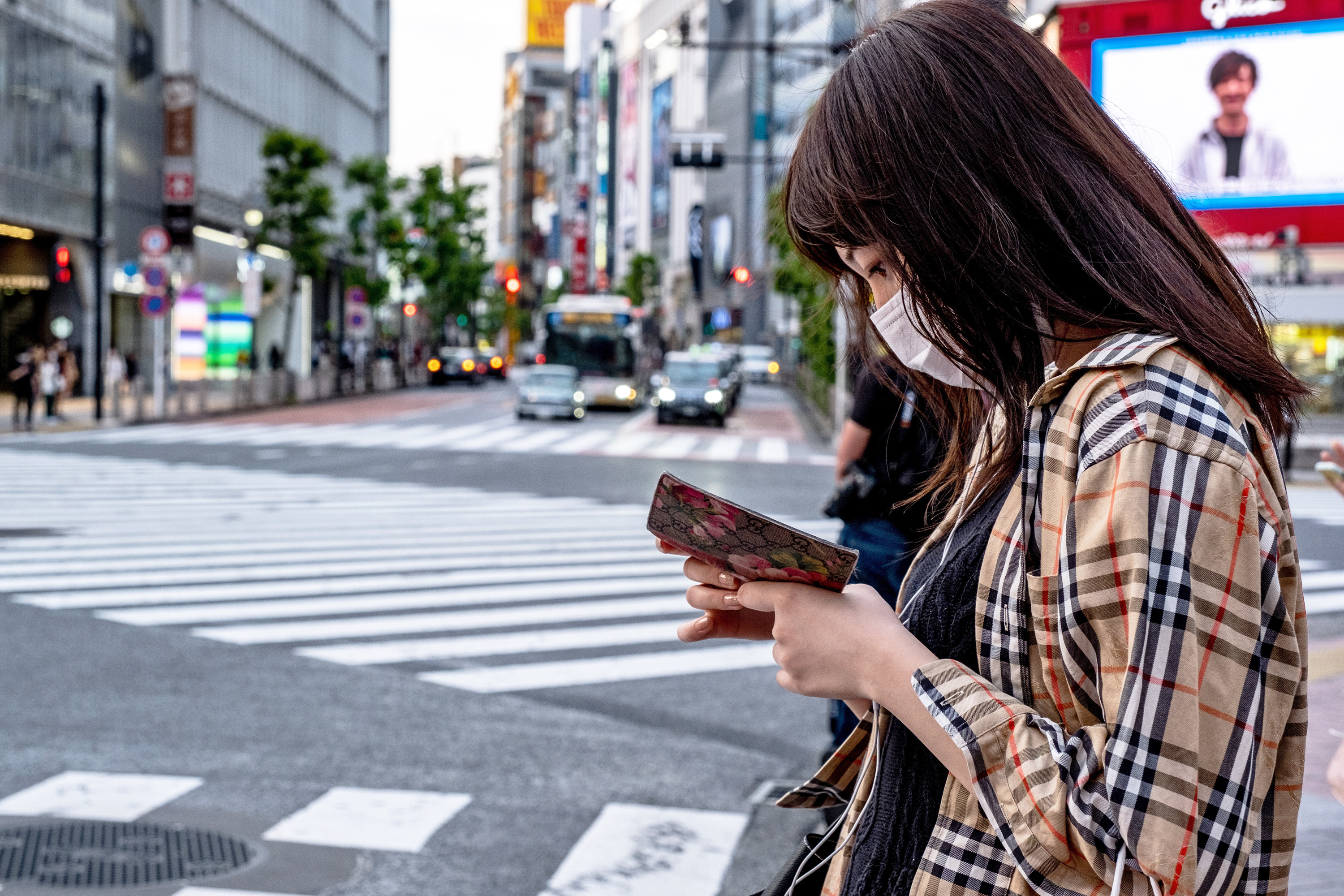
Opponents feel the planned restriction infringes on personal freedom
VIOLA KAM/SOPA IMAGES/LIGHTROCKET/GETTY IMAGES
Long-term futoko have a greater chance of subsiding into hikikomori, or social withdrawal. “Once the people are caught into that state and they get older, it is almost impossible to get them out,” said Koki. “If we support them when they are young, that may reduce school refusal and hikikomori. What we want is to provide support, and connection with society.”
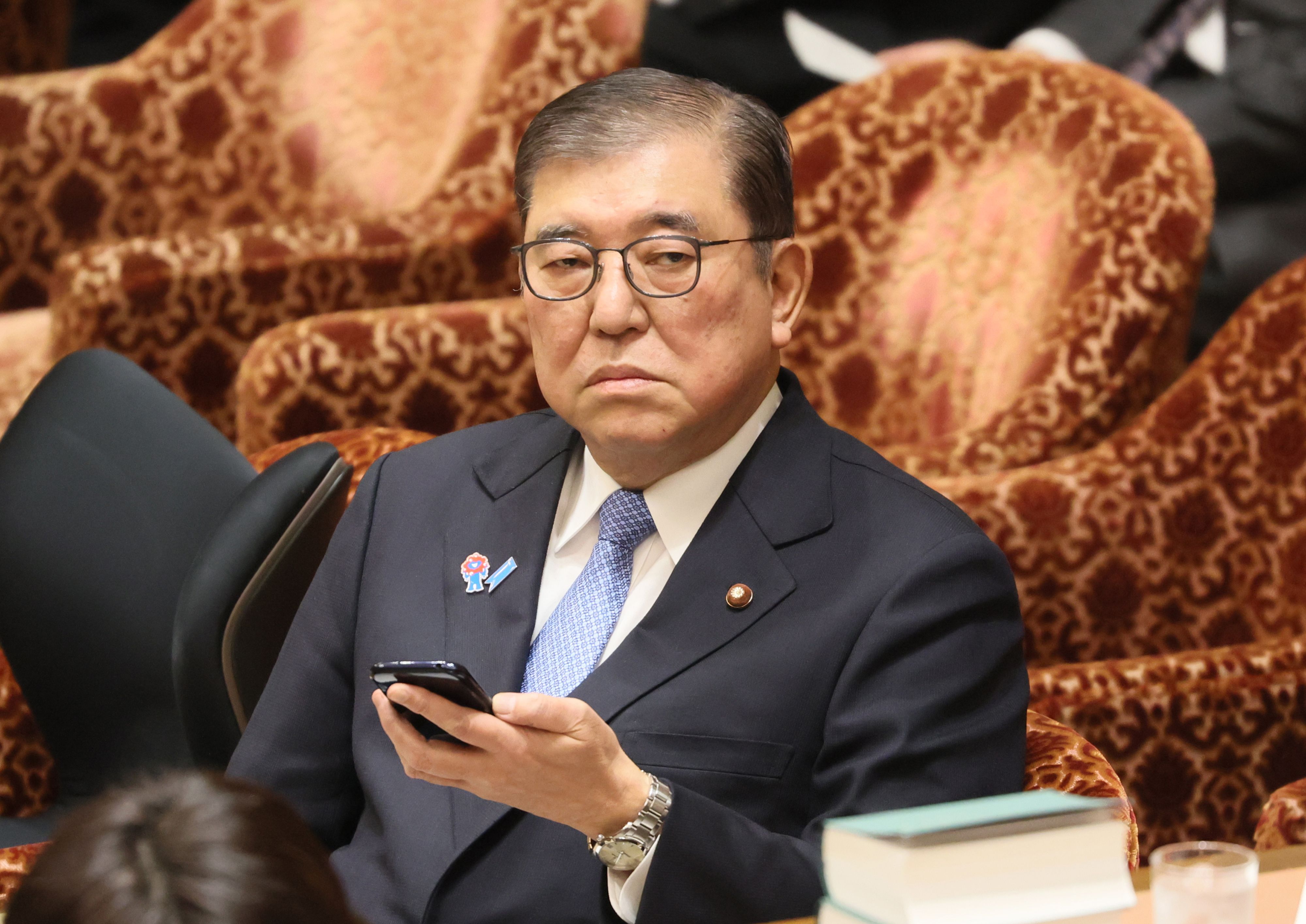
Shigeru Ishiba, the Japanese prime minister, passes the time on his phone before a budget committee session in Tokyo in February
YOSHIO TSUNODA/AFLO/SHUTTERSTOCK
However, the proposed ordinance has unexpectedly strong opposition. Of the 120 emails and phone calls received by the town hall, four out of five are from people who are against it, forcing Koki on to the defensive.
Headlines about a smartphone “ban” are misleading, he points out: the ordinance is no more than a statement of government policy and aspiration, with no penalties or means of enforcement. However, in a country such as Japan, where recommendations by government authorities are felt by some to have the force of law, it is seen by many as a sinister intervention into the private sphere.
Koki and his opponents assume he has a majority of supporters among conservatives in the 20-person assembly, and that the ordinance will be passed.
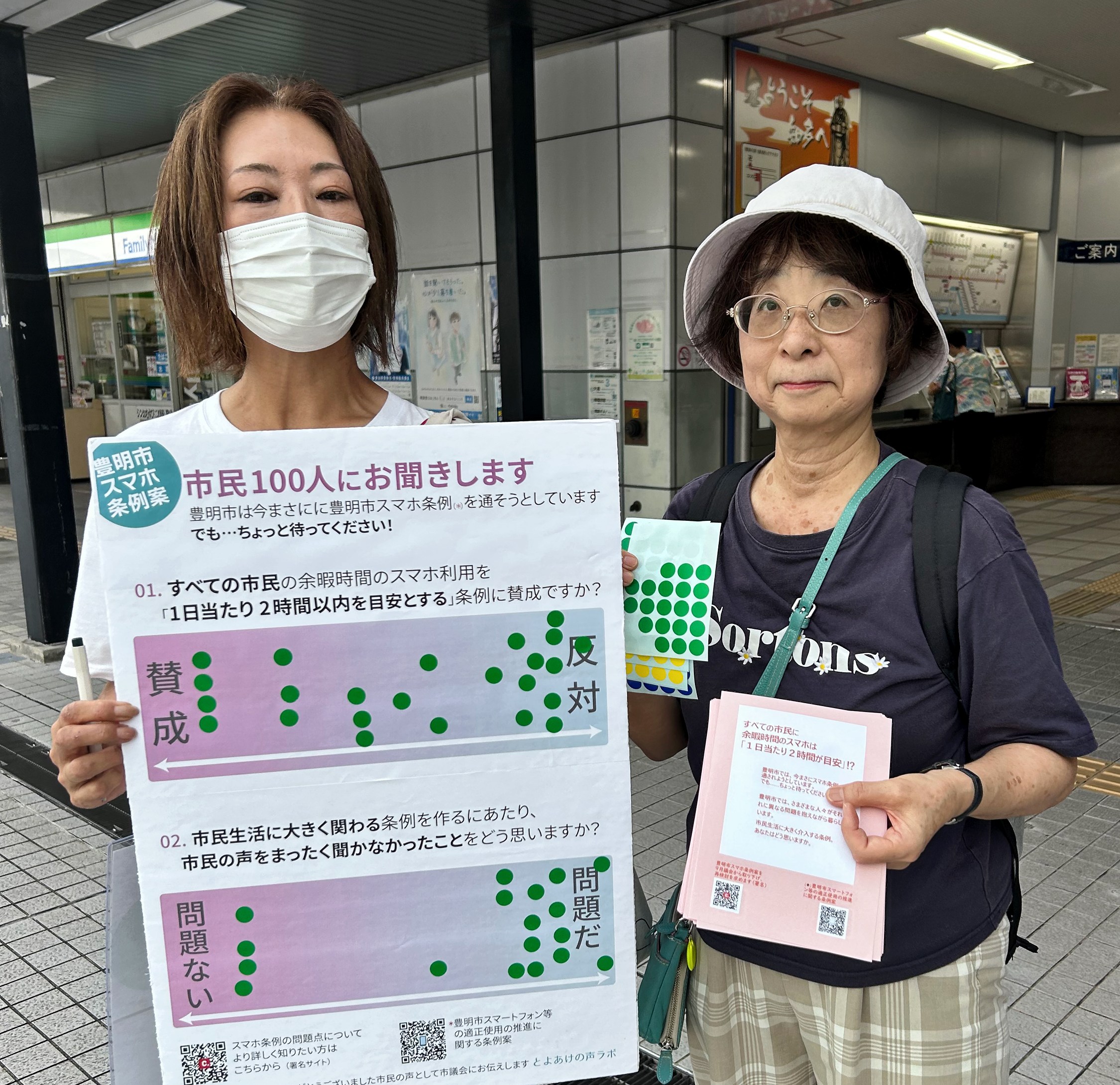
Yuko Hase, left, is one of many who disagree with the ordinance
Yuko Hase, who is canvassing views on the controversy, said: “You can blame smartphones, but if you take them away, will insomnia be cured?” She reported that most people opposed the ordinance. “This has come about without fully taking different views into consideration, and it gives me a sense of crisis.”