
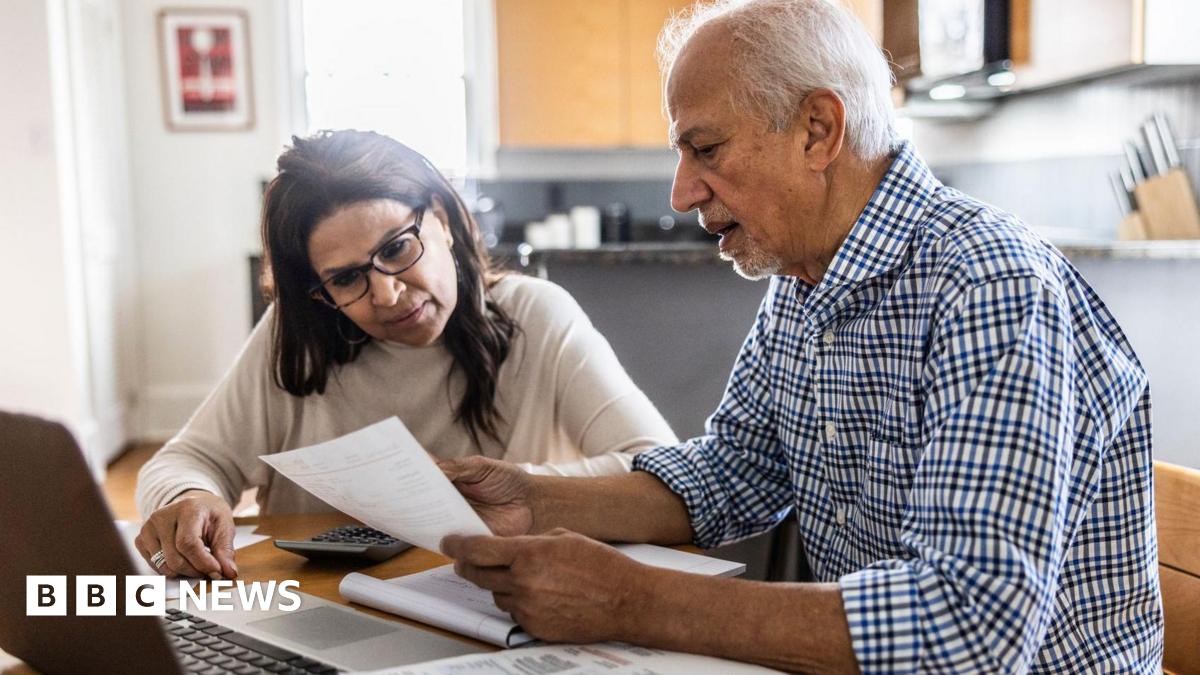
Almost 13 million people currently receive the state pension.
The latest wage figures from the ONS likely means:
The new flat-rate state pension – for those who reached state pension age after April 2016 – is expected to increase to £241.05 a week. That will take it to £12,534.60 a year, a rise of £561.60 compared with now.
The old basic state pension – for those who reached state pension age before April 2016 – is expected to go up to £184.75 a week. That will take it to £9,607 a year, a rise of £431.60 compared with now.
Sir Steve Webb, partner at pension consultants LCP and former pensions minister, said the standard rate of the new state pension was “creeping ever closer to the frozen personal tax allowance”, which currently stands at £12,570 and is set to remain at the same level until 2028.
The standard personal allowance is the amount of income permitted each year without paying tax.
Sir Steve said that someone with no other income aside from the new state pension is set to be a taxpayer come April 2027.
“It is already the case that nearly three quarters of all pensioners pay income tax, and the ongoing freeze in tax thresholds coupled with steady rises in the pension will drag more and more into the tax net,” he added.
According to the ONS, regular wage growth – excluding bonuses – dropped to 4.8% in the three months to July, down from 5% in the previous three months and the lowest since May 2022.
Liz McKeown, the ONS director of economic statistics, said salary increases remained “strong by historic standards” despite it edging down further in cash terms.
However, Yael Selfin, chief economist at KPMG, said earnings growth was “likely to continue to decline over the coming year”.
“Demand for workers has fallen sharply due to a combination of weaker economic activity and businesses facing higher labour costs. As a result, we expect wage growth to fall below 4% by the end of the year,” she added.