
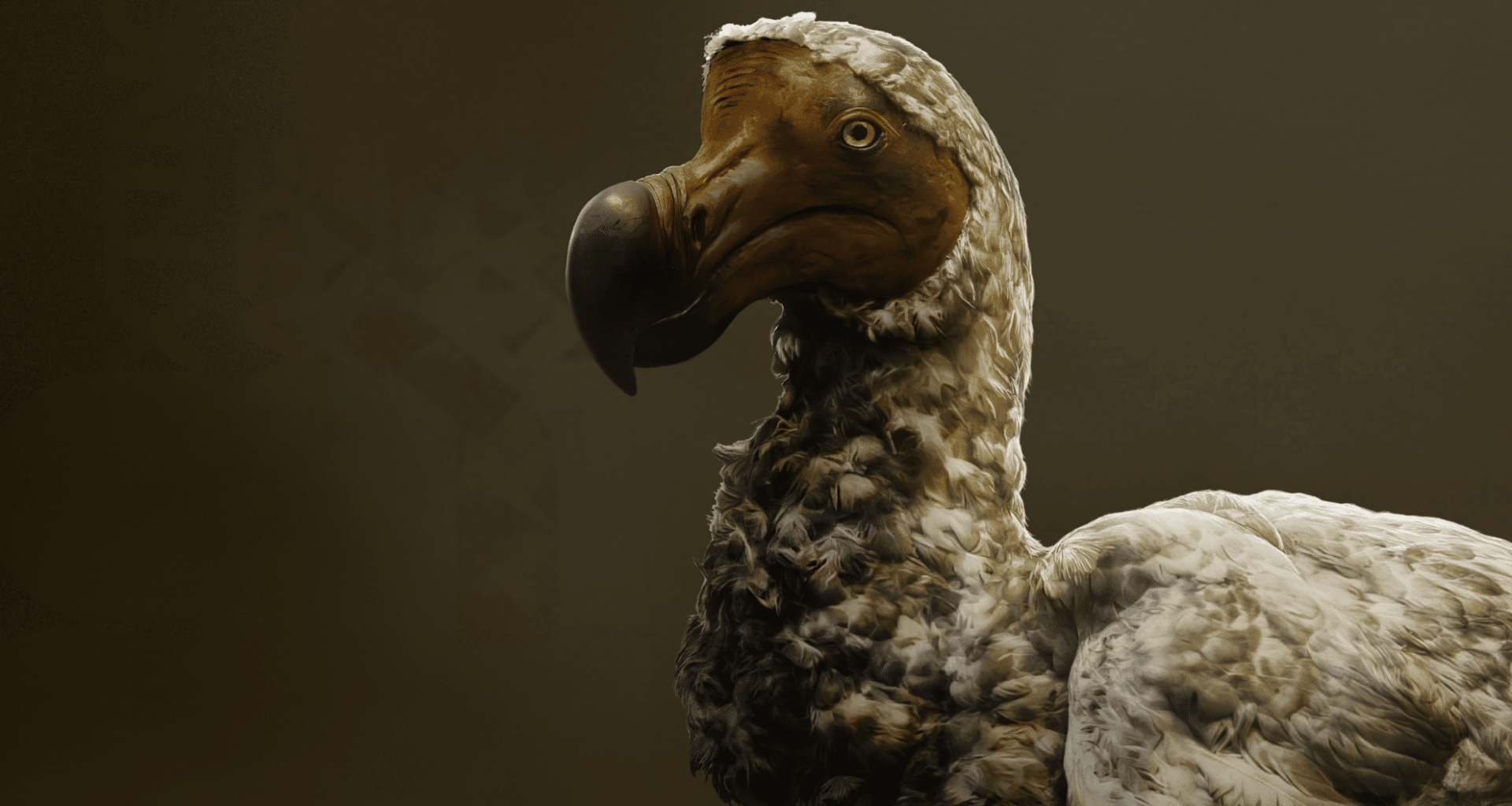
A team of scientists is edging closer to reviving one of the most iconic extinct birds, the dodo. Drawing on recent advances in avian genetics and functional de-extinction studies from Colossal Biosciences, researchers aim to restore the ecological presence of the dodo while navigating the complex challenges of bird reproduction and genome editing. This effort represents a new frontier in biodiversity restoration and the science of bringing back lost species.
New Milestones in Dodo Revival Research
Colossal Biosciences recently announced a series of breakthroughs that could make functional dodo resurrection feasible within the next five to seven years. Among the most notable achievements is the successful cultivation of pigeon primordial germ cells (PGCs) in the lab—a step that had eluded scientists for decades. “Colossal’s breakthrough in culturing pigeon PGCs solves a fundamental roadblock that has stymied bird genetic engineering for decades,” Colossal CEO and co-founder Ben Lamm told Gizmodo.
These cells are essential because birds cannot be cloned like mammals. As Lamm explains, “Unlike mammals that can be cloned, birds require a completely different approach. You have to edit their ‘germ cells’ (which become sperm and eggs) and then breed those edited cells into the next generation.” By mastering the growth and genetic manipulation of pigeon PGCs, the researchers have paved the way for producing birds that carry the genetic traits of extinct species.
From Nicobar Pigeons to Dodo-Like Birds
The team has sequenced the genomes of the dodo’s closest relatives, including the Rodrigues solitaire and the Nicobar pigeon. The Nicobar pigeon serves as the template for recreating dodo traits through precise genetic edits. “These advances create a clear pathway: edit Nicobar pigeon germ cells with dodo traits, inject them into surrogate chickens, breed the results, and eventually produce birds with dodo characteristics,” Lamm said.
By using chickens as surrogate parents, scientists can insert the modified germ cells and generate offspring with the desired dodo-like characteristics. The research highlights the challenges of avian genetics, including testing hundreds of combinations of growth factors and molecules to optimize germ cell development. This approach underscores the difference between functional de-extinction and simple cloning: the goal is not to produce a perfect genetic replica but to recreate key traits that allow the bird to fulfill its original ecological role.
Ethical Considerations and the Conservation Debate
Functional de-extinction raises questions about the definition of revival and the role of humans in conservation. Some critics argue that edited birds are not true dodos, since their genome is only partially reconstructed. Yet Colossal frames its work within a conservation-driven paradigm. “We’re focused on results, not labels. Whether critics want to call our animals ‘de-extinct dodos’ or ‘dodo-functional birds’ doesn’t change their conservation value,” Lamm explained. “What matters is whether they can restore lost ecological functions, enhance ecosystem resilience, and help address the biodiversity crisis all while inspiring the next generation.”
The company is collaborating with local researchers in Mauritius, the historic home of the dodo, to ensure that any revived birds are integrated safely into the ecosystem. By restoring species that once shaped their environments, scientists hope to mitigate some of the biodiversity losses caused by human activity, while generating public interest in science and conservation.