
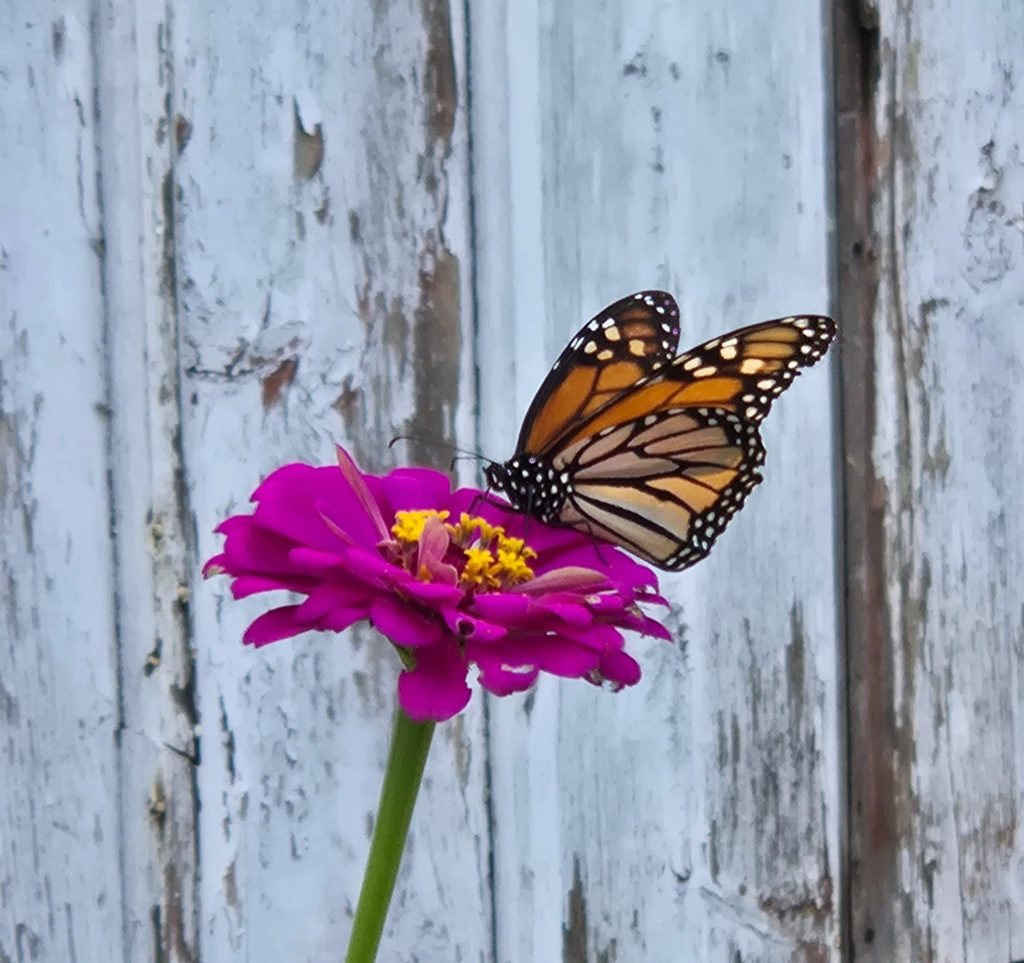
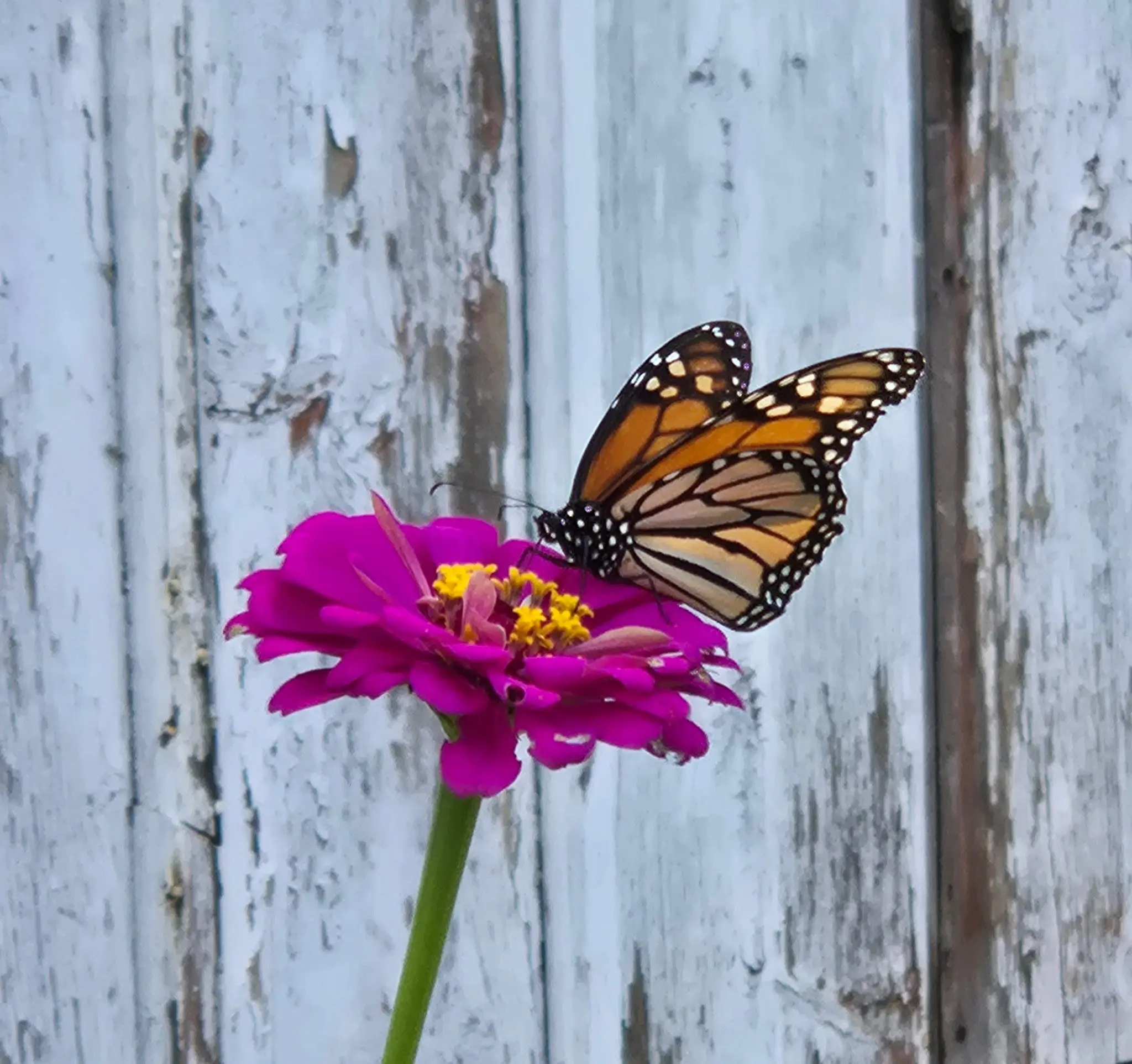
The annual monarch migration toward Mexico for the winter has begun to pass through the Hawkeye State, and the Iowa Monarch Conservation Consortium at Iowa State University is asking local landowners for assistance with their research.
Iowa is a key region in the monarchs’ annual migration patterns, according to Mykayla Hagaman, program specialist with the consortium, “Iowa is a core monarch habitat breeding area in the summer, so a lot of monarchs that make it down to Mexico come from Iowa. Also, Iowa is in the core migration zone, so there are a lot of monarchs funneling through Iowa, so we provide a lot of that roosting habitat and a lot of that fuel and native nectar plants.”
Monarch populations have declined in recent years, making identifying and researching broods important for local ecosystems. Last year’s numbers showed promise, with monarchs covering 4.4 acres of land in Mexico, more than double 2023’s numbers, but that number is still less than a third of the 15 acres they would need to cover to be considered sustainable.
Landowners are asked to report any monarch broods they find. Often gathering on trees, windbreaks or river corridors, broods consist of dozens to hundreds of monarchs and are generally found in the mornings and evenings rather than the heat of the day.
Broods can be reported through a form on the consortium’s website or by contacting Katherine Kral-O’Brien at 515-294-7315 or kralob@iastate.edu.