
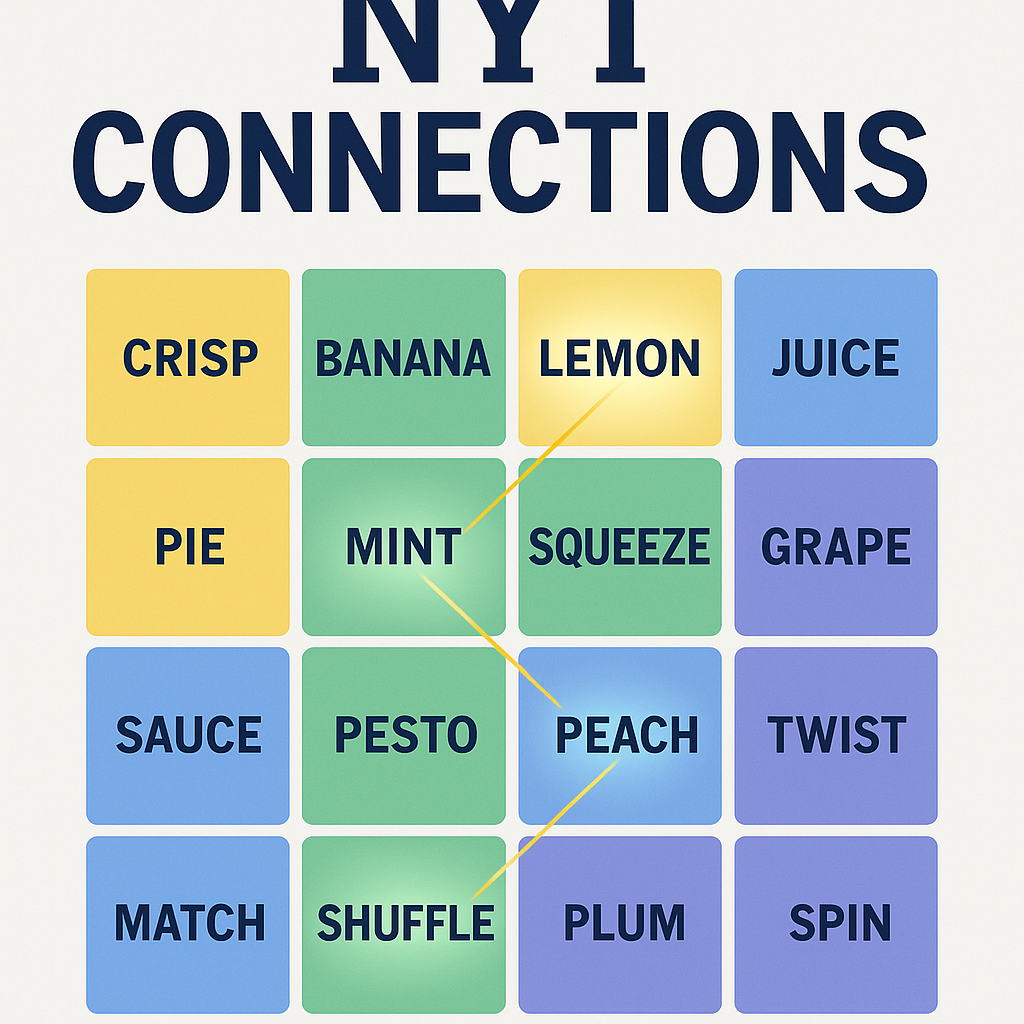
NYT ‘Connections’ Hints and Answers for Sunday, September 21
The New York Times’ daily puzzle game, “Connections,” has captivated players with its engaging wordplay and challenges. For those who are looking to enhance their game or simply find the answers, this article will provide helpful hints and solutions for the game played on Sunday, September 21.
What is NYT ‘Connections’?
“Connections” is a daily word puzzle that challenges players to group 16 words into four categories of four words each. The game is designed to test your vocabulary, critical thinking, and pattern recognition skills. Each day presents a new set of words, and players have the opportunity to flex their linguistic prowess.
How to Play ‘Connections’
1. Objective: The main goal is to categorize the words into four distinct groups.
2. Word Selection: You are presented with a grid of 16 words, which you must analyze to identify relationships among them.
3. Time Limit: While there’s no strict time limit, players often aim to solve the puzzle efficiently to enhance their performance scores.
Tips for Success in ‘Connections’
To excel in “Connections,” consider these strategies:
1. Look for Synonyms and Antonyms
Identifying words with similar meanings or opposite meanings can help form categories. For instance, if you see “happy,” “joyful,” and “elated,” those words might belong together. Similarly, if you find “hot,” “cold,” “warm,” and “cool,” you may categorize them by temperature.
2. Consider Categories
Words can often be grouped by themes, such as animals, colors, or countries. Think broadly about potential categories that might apply. For example, if you have words like “elephant,” “tiger,” “eagle,” and “shark,” they all fall under the animal category.
3. Use Process of Elimination
If you’re unsure about a group, try placing the words you’re confident about in their categories first. This can help you narrow down the options for the remaining words. For instance, if you can confidently categorize “piano,” “guitar,” “violin,” and “drums” as musical instruments, you can focus on the other words for different categories.
4. Take Breaks
If you find yourself stuck, stepping away from the puzzle for a few minutes can provide a fresh perspective when you return. Sometimes, taking a mental break can help you see connections that weren’t obvious before.
Hints and Answers for September 21
For those seeking specific hints and answers for the “Connections” puzzle on September 21, here’s a breakdown of the words and solutions.
Daily Words
On this day, players encountered a diverse set of words that included:
Eagle
Shark
Falcon
Whale
Orange
Blue
Red
Yellow
Soccer
Baseball
Basketball
Tennis
Piano
Guitar
Violin
Drums
Grouping Solutions
To successfully categorize these words, players can group them into the following categories:
1. Animals:
– Eagle
– Shark
– Falcon
– Whale
2. Colors:
– Orange
– Blue
– Red
– Yellow
3. Sports:
– Soccer
– Baseball
– Basketball
– Tennis
4. Musical Instruments:
– Piano
– Guitar
– Violin
– Drums
These categories are straightforward and represent common associations players can make with these words. Understanding these associations can help players improve their game and enjoy the challenge more.
The Educational Benefits of Playing ‘Connections’
Playing “Connections” isn’t just a fun way to pass the time; it also offers several educational benefits. Engaging regularly with word puzzles can:
Enhance Vocabulary
As players encounter new words, they expand their vocabulary through context and association. This is particularly beneficial for language learners who are looking to improve their language skills.
Improve Cognitive Function
Puzzles like “Connections” stimulate the brain. They require critical thinking, pattern recognition, and problem-solving skills, which can help maintain cognitive health.
Foster Creativity
When finding connections between seemingly unrelated words, players tap into their creative thinking abilities. This can lead to innovative thought processes applicable in various aspects of life, from work to personal projects.
Encourage Persistence and Resilience
Completing puzzles often requires multiple attempts, patience, and persistence. These qualities can translate into other areas of life, teaching players the value of hard work and determination.
Final Thoughts on ‘Connections’
“Connections” is not just a test of vocabulary; it’s a mental exercise that can be both entertaining and educational. Engaging regularly with such puzzles can improve cognitive skills, enhance your vocabulary, and provide a refreshing break from daily routines. The sense of achievement when solving a challenging puzzle can also boost morale and motivation.
Frequently Asked Questions
What happens if I can’t find all the groups in ‘Connections’?
If you’re unable to identify all the groups, you can check the New York Times website or various online forums dedicated to “Connections” for hints and solutions. Many players share their strategies and insights, which can be very helpful.
Can I play ‘Connections’ on mobile devices?
Yes, “Connections” is available through the New York Times app, which can be accessed on both iOS and Android devices. This allows you to play anywhere, anytime, making it convenient for busy schedules.
Are there other similar word games I can play?
Absolutely! There are several word games like “Wordle,” “Scrabble,” and “Boggle” that offer similar challenges and can help improve your language skills. Each game has its own set of rules and formats, providing a variety of experiences for word enthusiasts.
How often is the ‘Connections’ puzzle updated?
The “Connections” puzzle is updated daily, providing new words and challenges to players every day of the week. This ensures that players always have fresh content to engage with, keeping the game exciting and challenging.
Is there a strategy for beginners to get started?
Beginners should familiarize themselves with common word categories and themes. Starting with familiar categories, like animals or colors, can make it easier to identify connections. Practicing regularly will also help them develop their skills over time.
By keeping these tips and solutions in mind, you’ll be better equipped to tackle “Connections” and enjoy the engaging world of word puzzles. Happy puzzling!

John M. Anderson
Editor in Chief
John M. Anderson
John has over 15 years of experience in American media, previously working with The Washington Post and Politico. He specializes in U.S. politics and policy analysis, ensuring every piece published by Berawang News meets the highest standards of accuracy and fairness.