
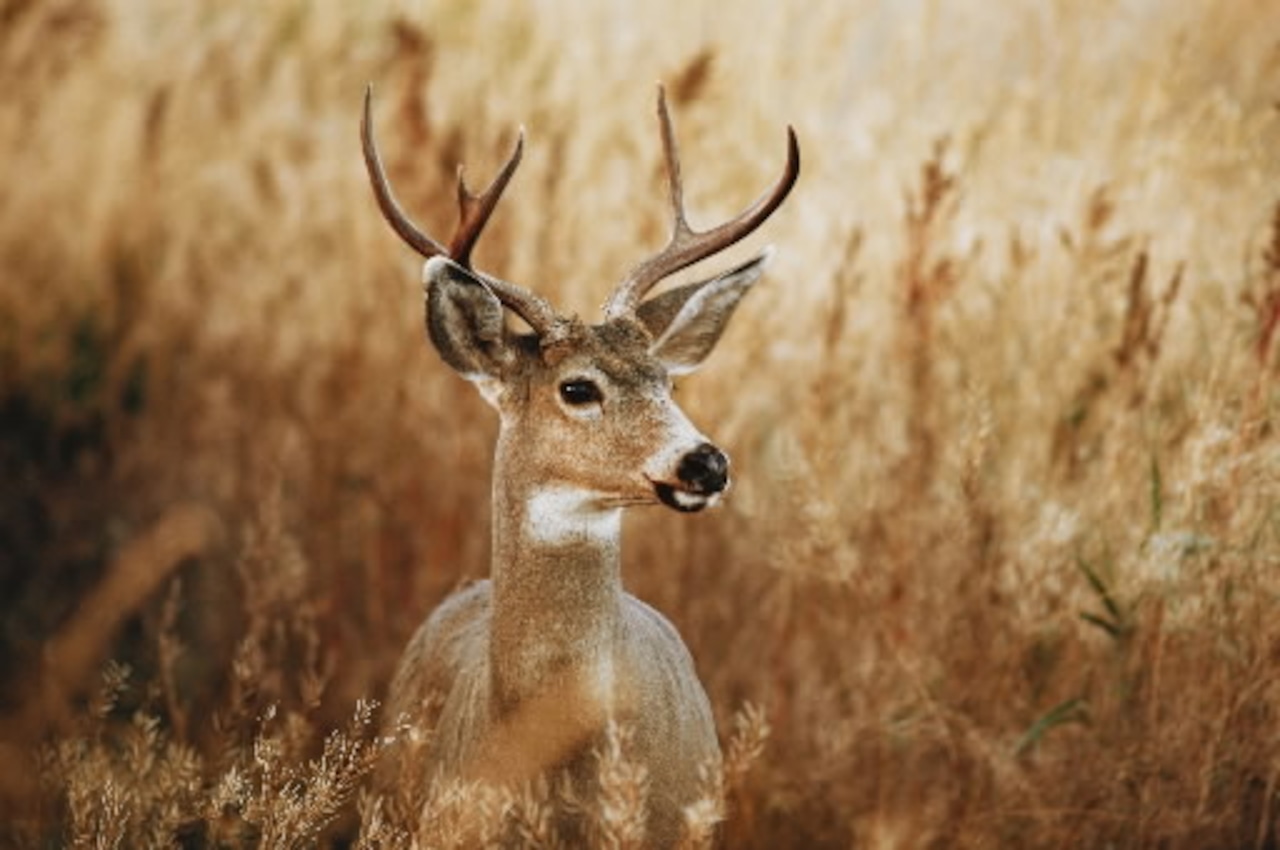
Refreshing changes are in order for more than 300,000 Oregon hunters as fall seasons approach.
Roughly half are either be packing or heading to camp soon for next weekend’s October 4 opening of mule deer seasons, or waiting in anticipation of hunting black-tailed deer without noisy leaves underfoot announcing their approach.
Nothing like a little rainfall to salve the hunter’s soul.
Unlike the heat of the past few seasons, Oregon will enjoy much cooler weather for the opener – and beyond.
Forecasts even suggest a little rainfall in the week ahead, possibly statewide.
But enough has already fallen to allow several public land managers in the U.S. Forest Service and Bureau of Land Management to end restrictions on campfires.
Of course, as always, it’s best to check before heading out on either side of the Cascades.
Unfortunately, deer and elk hunters (and waterfowl, too, but more on that in a moment) aren’t out of the proverbial woods.
A far greater potential threat looms on all three of Oregon’s land borders.
Chronic wasting disease (CWD) is an incurable fatal affliction found in deer, elk and moose now documented in California, Idaho and Washington (not yet in Nevada).
Most troublesome are afflicted animals just miles from the Snake River’s border.
CWD is insidious because infected animals can carry it for years without showing symptoms.
Oregon is desperate to keep the state disease free and the Oregon Department of Fish and Wildlife has an intensive program to test both animals taken in the state and those brought here from other states (review the rules for returning from big game hunts beyond Oregon; they’re stringent).
There are several ways to submit a sample: Contact a department office, drop a sample in a collection bin, submit it to a participating meat processor or taxidermist or – especially – stop at a check station (mandatory for anyone who passes a station with a harvested animal).
Those who submit samples will automatically be entered to win a Weatherby Vanguard 7mm rifle (valued at $1,150), courtesy of the Oregon Hunters Association.
Waterfowl hunters, especially those out for Canada and cackling geese, may very well see birds infected with avian flu, which ravaged cacklers in 2024. It’s wise to process your birds with latex gloves even though the likelihood of contracting the disease is very low.
The department is also reminding hunters that “Artificial Intelligence is as yet unreliable and may contain inaccurate data concerning rules and regulations.”
Overall, biologists report overall good news for most deer and elk herds after a milder-than-usual winter.
How wet?
The Klamath Basin has enough water to meet demands for the first time since 2019.
(A note, however, for those headed into desert wetland areas, the Warner Basin only has limited water available to hold ducks.)
Birds and animals will more widely scattered with plenty of watering holes.
Returning bow hunters report very few problems from yellowjackets in northeast Oregon.
They also said late summer rains encourage newly green forage.
Tag holders can find their specific unit information in the comprehensive department outlooks, in links below.
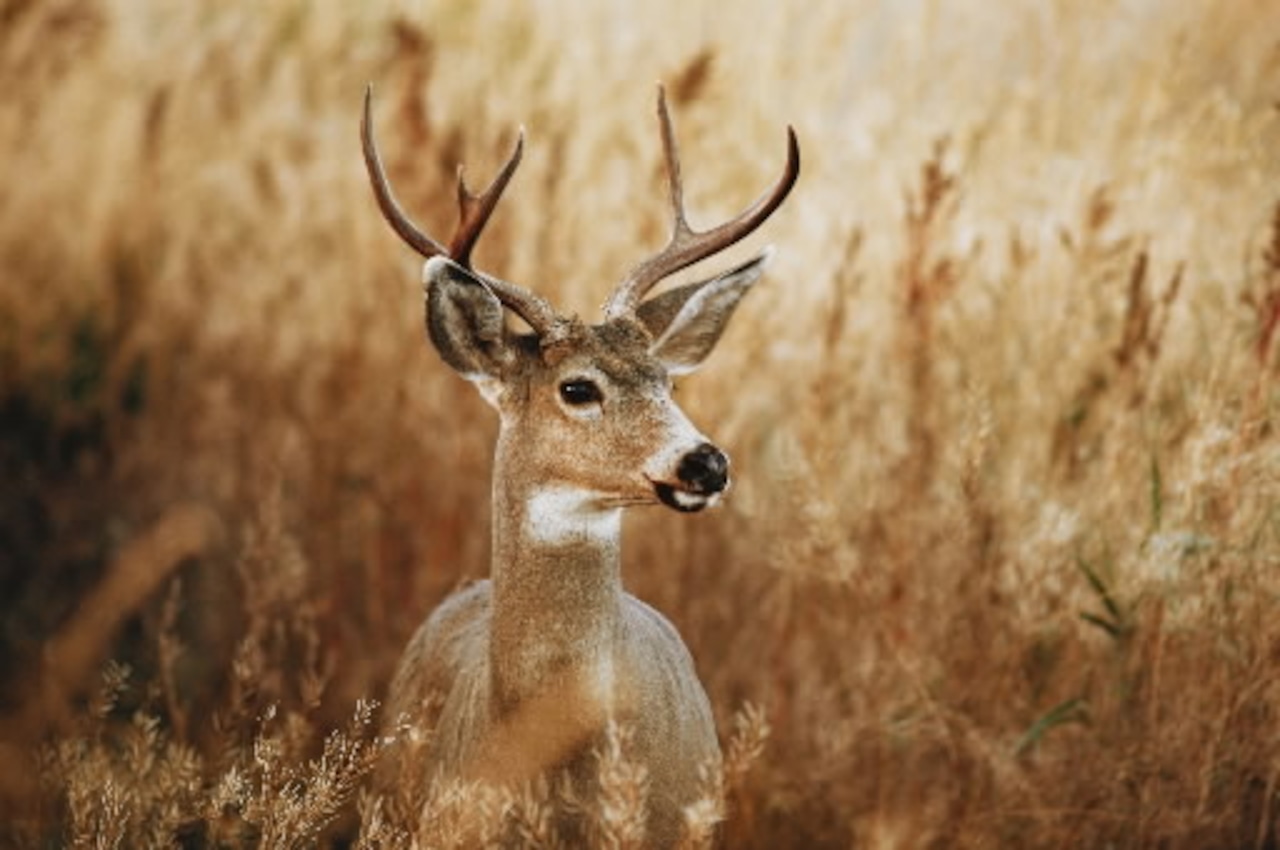 Mule deer came through the mild winter in good shape across most of eastern Oregon.FileBriefly
Mule deer – Largely wintered well, with the exception of those in a few management units/counties still behind management objectives although probably not because of the winter.
And a side note in northeast Oregon; white-tailed deer are doing well, but may be difficult to hunt. Biologists recommend the eastern U.S. Standard technique. Get into a blind well before dawn or dusk and make sure it’s between bedding and feeding areas.
Black-tailed deer – Also good news in most areas, with healthy herds and deer moving into the new growth in recently burned areas.
Southwest hunters are advised to concentrate on higher elevations early on, especially in coastal units, where deer are more migratory.
Northwest Oregon hunters are advised to look closely at their targets, since there have been reports of black- and white-tailed hybrids. Only Columbian black-tailed deer are legal.
Rocky mountain elk – Numbers are largely at or above average in most units, although there’s some decline in the south central Cascades.
Several biologists note that, like deer, elk are keying on new green forage in recent burn areas.
Roosevelt elk – For the first year in a long time, Roosevelt elk are on a remarkable upswing across most of western Oregon, with perhaps the best numbers on the west slopes of the Coast Mountain Range.
(Read: Raingear!)
The most notable exception – and there are a few others – are the north slopes of the west Cascades, mostly in the Santiam unit, where elk continue to decline a little as a largely un-harvested forest replaces clearcuts.
Bear and cougar – Very little has changed except both seem to be increasing in numbers statewide, which warrants the purchase of just-in-case tags.
Pheasant – A bit of a decrease from last year, but still plenty of reasons to go along Columbia River basin counties and especially the Malheur district, where numbers were up.
Chukar – Also down a little, but still plenty to go around; especially, note biologists, in the Baker and Malheur districts.
California quail – Fared a little better with stable numbers similar to last year. Quail prefer brush and water.
Ruffed grouse – Forest grouse numbers are improved over last year.
Ducks – Hunters statewide will get to keep three pintails a day for the first time since 1997.
All other duck outlooks match last year, with relatively good numbers of local mallards produced to hold hunters until northern birds arrive.
Wigeon and teal are already passing south along the Oregon Coast.
Geese – Dark geese (Canadas and cackling) are on a downturn in nesting areas and the daily bag limits have been reduced by one daily in all areas.
Seasons are also changed for both dark, white and white-fronted geese. Check the regulations for specific dates.
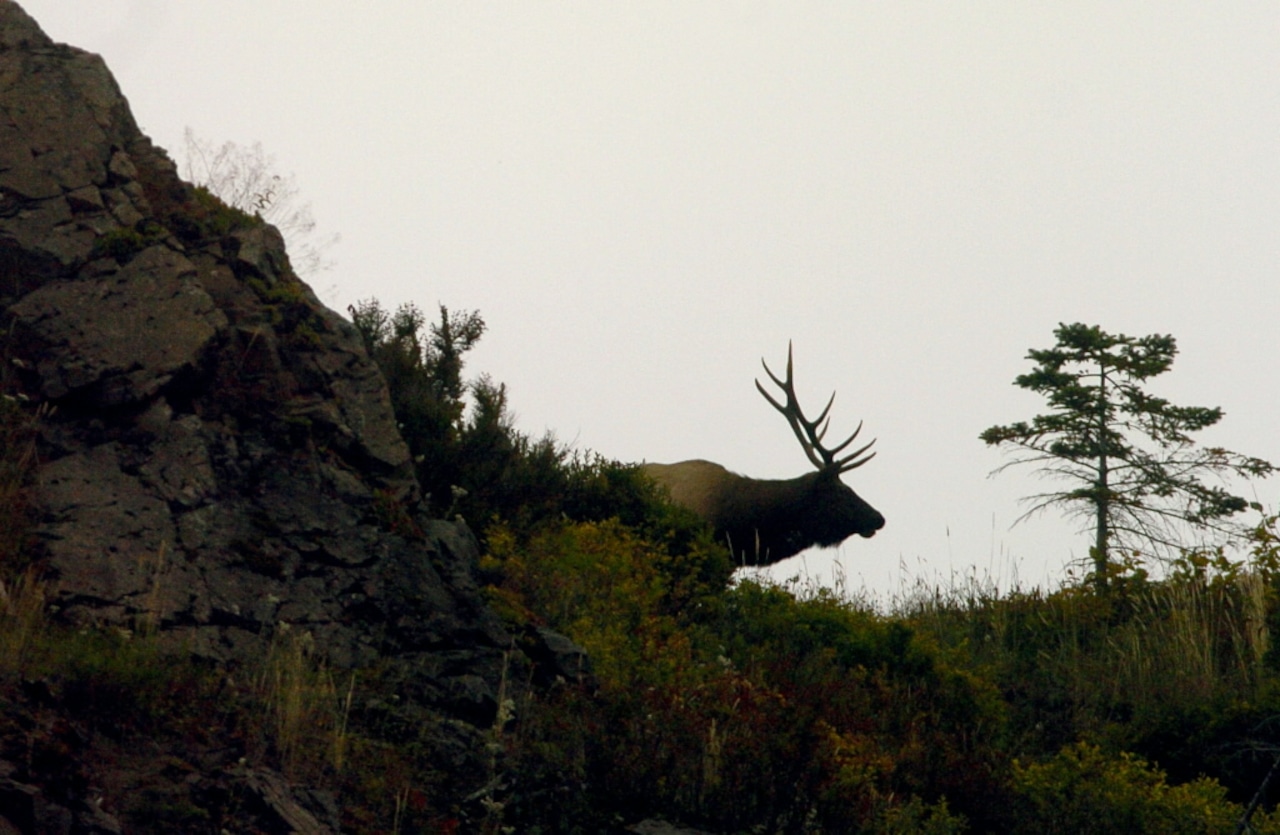 Roosevelt elk hunting should be good nearly everywhere, best on the west slopes of the Coast Mountain Range.FileFact and figures to know, and links
Oregon total hunters in 2024: 334,933; resident – 303,303; non-resident – 31,630
Elk tag holders: 122,598
Deer tag holders: 157,050
Resident upland bird permits: 46,879
Resident waterfowl permits: 27,806
Helpful links:
Chronic wasting information, including check stations
Game and bird hunting forecast
Oregon national forest closures (map)
Oregon Bureau of Land Management
If you purchase a product or register for an account through a link on our site, we may receive compensation. By using this site, you consent to our User Agreement and agree that your clicks, interactions, and personal information may be collected, recorded, and/or stored by us and social media and other third-party partners in accordance with our Privacy Policy.