
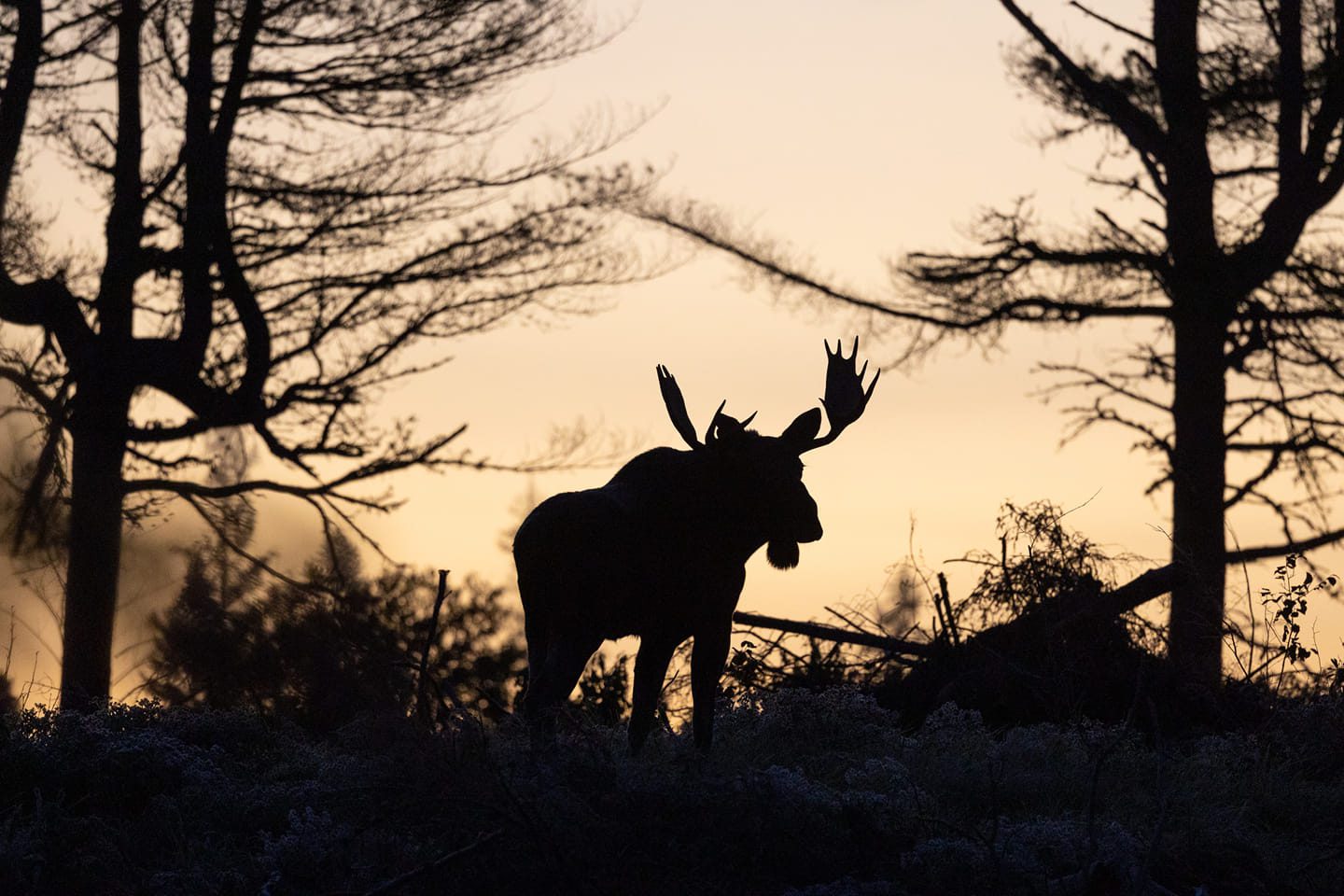
Around the early 2,000’s there were rough estimates of 8,000-9,000 Moose inhabiting the Northland. However, their populations were rapidly declining for a multitude of reasons, leading to the suspension of hunting them in 2013. The Minnesota DNR report that Moose populations are stabilizing for now, but not rebounding back to their usual numbers.
Barb Keller is the Big Game Program Leader with the Minnesota DNR’s Fish and Wildlife. She says thanks to multiple partnerships, conservation and research efforts have helped in with monitoring the Northwestern Moose species.
“The population is about 3,000 to 4,000 moose now, and it varies around that in all of our winter surveys. So, it’s been pretty stable around that 3,000 to 4,000 point for the last 10 years or so. That is still below that 8,000 to 9,000 level. We haven’t seen further declines in the population.”
Why haven’t these animals experienced a boost in their population? There are combination of factors, but Keller says parasites have really decimated their numbers, along with habitat changes.
“There’s about three parasites that we’re concerned with. Brainworm is one of those. Winter ticks and liver flukes. So three different parasites can affect moose survival in that area, and many of those will increase with warming winters. Habitat is a major factor for our moose populations,” Keller said. “Moose need really large blocks of habitat, and they prefer newly disturbed habitat. That disturbance is created through wildfires, prescribed burning, timber thinning, to create the forage that is necessary to sustain moose populations.”
If more residents show their support for large scale habitat management projects, Keller says those can attract more Moose. For more information about the Minnesota DNR report on Moose you can read more here.
For Related Stories: Minnesota DNR Moose Northeastern Minnesota