
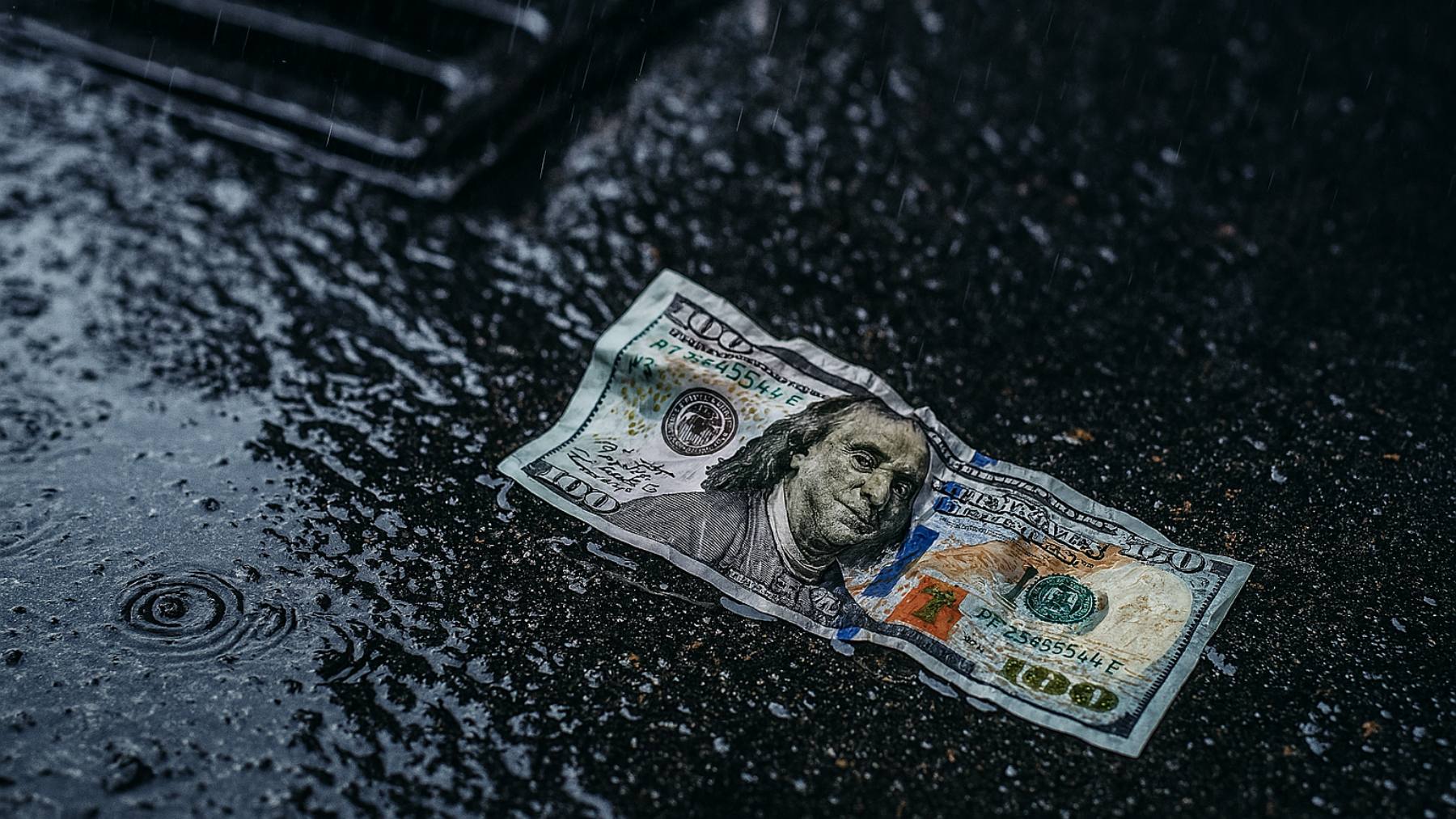
There’s nervous laughter on trading desks this summer. The dollar just logged its worst first half since Richard Nixon unpegged it from gold, sinking 10.8 % against a basket of peers.
Gold, meanwhile, sprinted past $3,300 an ounce, up twenty‑six percent in six months. That’s not the kind of price action you get when markets feel serene. It’s what you see when investors sniff trouble, and this time the scent carries three notes: election politics, tariffs, and freshly minted tax cuts.
How did we get into this mess?
The pandemic hangover was still throbbing in 2021 when Joe Biden mailed out another round of relief checks. Academic work later pegged that spending as a meaningful slice of the 2022 inflation spike. The Federal Reserve slammed the brakes, driving the policy rate above 5 %, and price growth cooled —but not before shaking confidence.
Fast‑forward to January 2025. Donald Trump returns to the White House, promising roaring growth and a balanced budget… two goals that rarely sit at the same lunch table. In April he unveiled the “Liberation Day” tariff regime: a universal 10 % tax on imports, steeper levies on steel, autos, and tech. (Because nothing says roaring growth like state interventionism. /s)
Treasury Secretary Scott Bessent says customs duties could top $300 billion this year after roughly $100 billion in the first half. That windfall sounds heroic until you realize Washington expects to spend about $6.8 trillion and run a deficit near $1.9 trillion even before counting the new tax law.
Tax cuts, take two
On the Fourth of July, Trump signed the “One Big, Beautiful Bill”, making his 2017 cuts permanent, juicing child credits, and even creating tax‑advantaged “Trump Accounts” for kids. Independent scorers put the ten‑year cost at $3‑$4 trillion after dynamic effects.
Proponents promise growth will fill the hole; skeptics recall that the 2017 round never paid for itself. Moody’s did more than scoff—it stripped America of its last triple‑A rating in May, citing runaway debt and political gridlock.
Tariffs: revenue today, prices tomorrow
Customs duties are, in theory, a user fee on foreigners. In practice, U.S. importers pre‑pay the tax, pass what they can to customers, and swallow the rest. June CPI showed prices up 2.7 % year over year—tame but drifting higher as tariff pass‑through builds. Wall Street’s inflation swaps now price the five‑year average at 3 %, above the Fed’s goal. Every tick upward nudges real yields and, by extension, mortgage rates.
Why the sky might not fall
First, the economy is resilient. GDP expanded at a 2.4 % annual rate in Q1, job openings still outnumber seekers, and corporate earnings beat estimates. A softer dollar even fattens multinationals’ overseas profits. Second, the United States retains deep capital markets and rule‑of‑law advantages—diminished, perhaps, but not eclipsed. Finally, tariffs bring in real cash, and Congress did pair some spending trims with the tax package.
Long‑term savers don’t need to panic. Keep feeding that S&P 500 index fund; equities still compound at roughly 6‑7 % above inflation over decades. A modest gold allocation can hedge currency risk, and Treasury Inflation‑Protected Securities offer explicit CPI insurance. If you hold a mortgage, consider locking a fixed rate before the election fireworks.
The case for restraint
Fiscal whiplash (Biden’s stimulus splurge followed by Trump’s revenue‑shrinking cuts) has left markets guessing. This humble writer lean libertarian: Washington should tax lightly, spend less, and leave entrepreneurs room to breathe. But none of that justifies spraying money we don’t have or sending checks to voters in an election year.
Stable rules beat adrenaline rushes, and the best government stimulus is letting productive people keep and invest more of their own earnings… preferably without sandbagging them later with import taxes.
A falling barometer doesn’t guarantee a hurricane, but ignoring it courts disaster. The dollar’s slide, gold’s rise, and a stern nod from Moody’s tell us the atmosphere is getting unstable. The sooner leaders quit playing tug‑of‑war with tariffs, tax codes, and the Fed, the better chance the country has to dodge the storm.