
South Africa’s major municipalities, except Cape Town, are in a “death spiral,” overspending on administrative costs while neglecting critical infrastructure, Deputy Finance Minister Ashor Sarupen warned on Wednesday.
Sarupen said municipal salary bills have ballooned well beyond inflation, revenue, and service output, according to Bloomberg.
“The result is a state that looks busy, that delivers less, consuming more in salaries and symbolism, while investing less in infrastructure that actually keeps our cities alive,” he said.
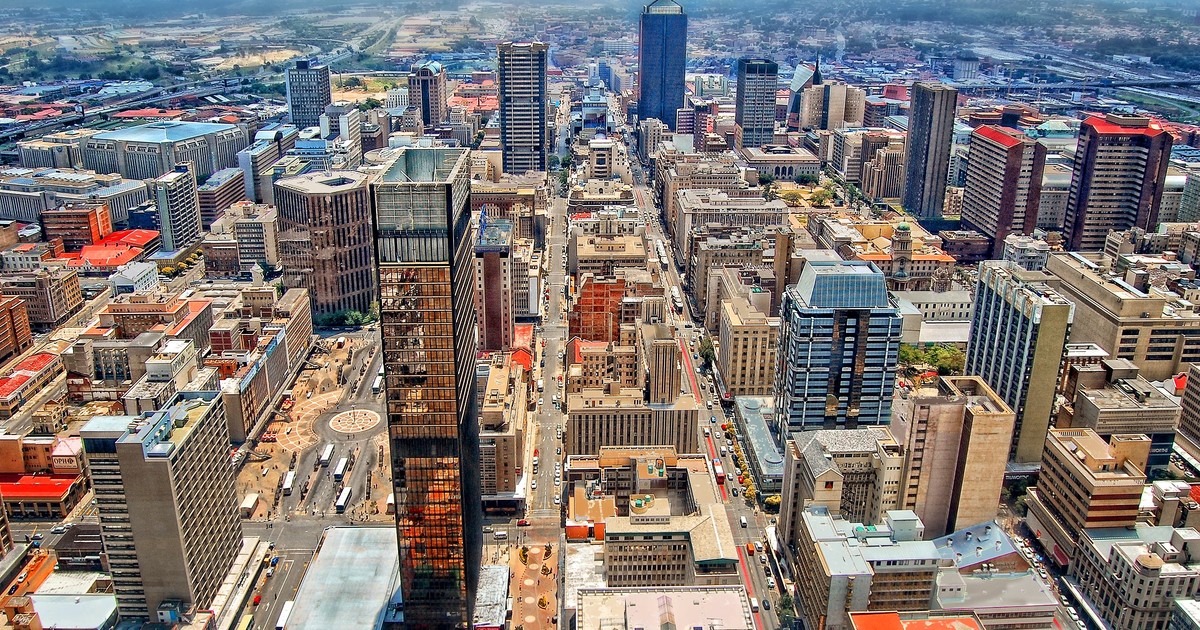
The consequences are most visible in Johannesburg, the nation’s economic hub, and across many of South Africa’s 256 municipalities, where residents face erratic refuse collection and recurring water and electricity outages. These failures have fueled mounting frustration and, in some cases, violent protests.
Infrastructure bill mounts
Last year, it was reported that Johannesburg, often described as Africa’s wealthiest city, needs about 221 billion rand ($12 billion) to address its crumbling infrastructure.
Sarupen stressed that reversing the decline would require urgent, coordinated interventions to improve accountability and redirect funding toward essential services.
The National Treasury, he said, is providing conditional grants to municipalities that can demonstrate sound management, ring-fence their utilities and capital budgets, and charge market-related fees for services.
In March, South Africa, in partnership with the World Bank, launched a $3 billion initiative to restore essential services and improve infrastructure in eight of its largest cities.
The plan includes a $1 billion loan from the World Bank, supplemented by $2 billion in government funding, to support municipalities such as Johannesburg, Durban, and Cape Town.