
IN A NUTSHELL
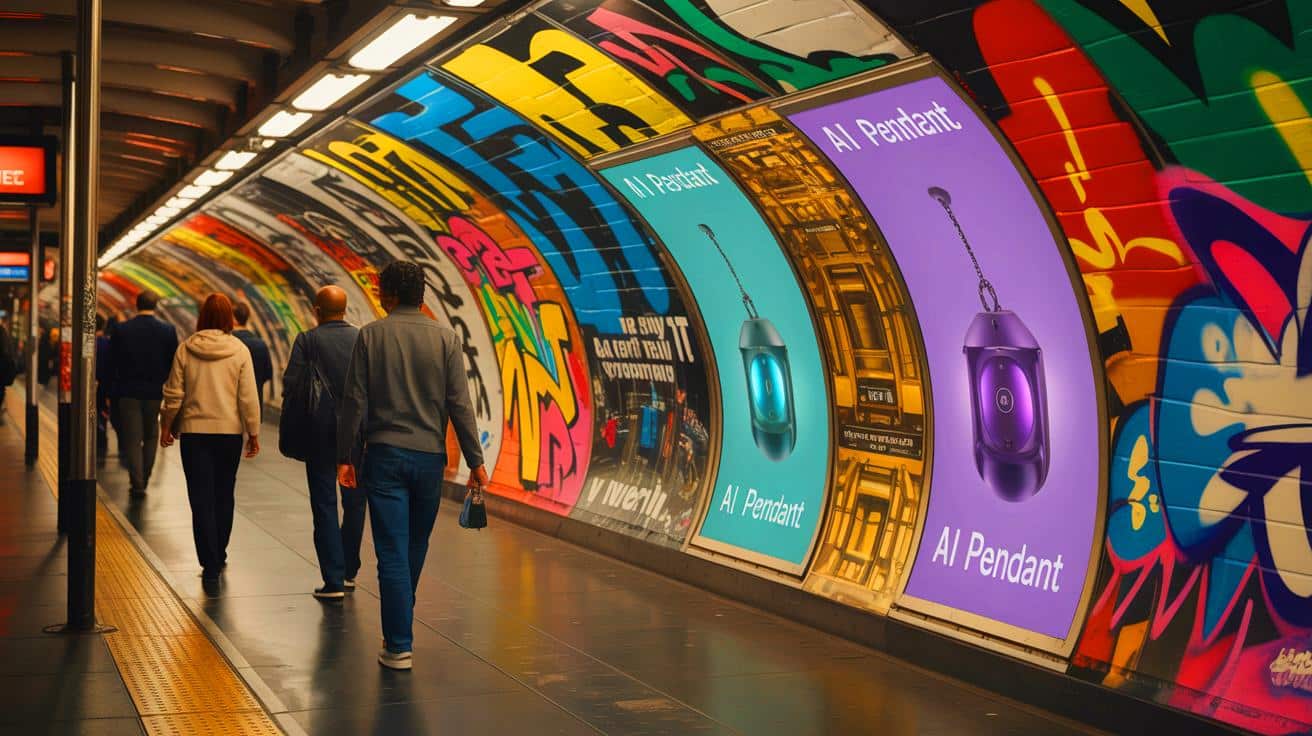
📢 New York City subway ads for an AI pendant face public backlash and are defaced with graffiti.
🎭 Friend’s CEO claims the negative reaction was part of a marketing strategy to invite social commentary.
🔍 Reviews criticize the device’s limited functionality and lack of meaningful interaction.
🔒 Privacy concerns arise as experts warn about potential data misuse and surveillance.
In the bustling heart of New York City, where technology and art intersect, a new AI device called “Friend” has sparked a wave of public dissent. The pendant, designed to constantly listen and respond to users through an AI interface, has become the subject of intense scrutiny and criticism. Subway ads for the $129 device were quickly defaced, with graffiti expressing strong anti-AI sentiments. The controversy has not only highlighted the public’s skepticism towards AI companionship but also raised significant privacy concerns. This development invites a deeper examination of society’s relationship with AI and the ethical implications of such technology.
Public Outcry and Graffiti Backlash
The launch of Friend by AI startup Friend has been met with fierce resistance from New Yorkers, a city known for its vibrant street art and vocal residents. The subway ads showcasing the AI pendant were swiftly defaced, with graffiti messages like “Befriend something alive” and “AI wouldn’t care if you lived or died” appearing on the posters. These messages reflect a broader public sentiment that questions the need for AI companions when human connections are irreplaceable.
Comedian Josh Gondelman expressed his criticism through a humorous yet pointed “pep talk,” suggesting that the device is unnecessary for those with real friends and even less so for those without. The American Civil Liberties Union (ACLU) also weighed in, warning that the device could potentially be used for surveillance by hackers, private companies, or the government. This backlash underscores the growing distrust of AI technology and its implications for privacy and human interaction.
CEO’s Controversial Marketing Strategy
Avi Schiffmann, the 22-year-old CEO of Friend, claims that the negative reactions were part of his marketing plan. In an interview, he stated that he intentionally left blank spaces on the ads to invite graffiti and social commentary. According to Schiffmann, New Yorkers’ aversion to AI made the city an ideal location for this unconventional strategy. The company reportedly spent over $1 million on these subway ads, embracing the backlash as part of their brand identity.
This strategy has sparked debate about the ethics of using public dissent as a marketing tool. While some might see it as a clever way to engage with the public, others argue it trivializes genuine concerns about AI technology. The campaign’s reception raises questions about the responsibility of tech companies to address public fears and the potential consequences of normalizing surveillance technology.
Performance and Practicality Criticized
Beyond the marketing controversy, the functionality of the Friend device has also come under fire. Victoria Song from The Verge tested the pendant and found it lacking in performance. She reported that it was difficult to interact with, as the device’s single microphone struggled to perform its primary function—listening. The AI’s interactions were described as formulaic, focusing on paraphrasing user input and prolonging engagement without meaningful conversation.
Similarly, Wired reporters Kylie Robison and Boone Ashworth found the device to be socially awkward. Robison noted that the pendant failed to generate excitement or interest among those who saw it. These reviews highlight the challenges of creating a genuinely interactive AI companion and question the value such devices add to users’ lives.
Privacy Concerns and Ethical Implications
The controversy surrounding Friend also brings to light significant privacy concerns. The ACLU’s warning about potential misuse of recorded data echoes broader fears about the erosion of privacy in the digital age. Devices like Friend, which constantly listen and interact, pose risks of unauthorized data access and misuse. These concerns are exacerbated by the growing capabilities of AI to process and analyze vast amounts of data.
As AI technology continues to advance, the ethical implications of its integration into daily life become increasingly complex. The debate over Friend serves as a reminder of the importance of balancing innovation with privacy and ethical responsibility. It also prompts a critical evaluation of how AI should be used to enhance, rather than replace, human interaction and relationships.
The uproar over the Friend pendant highlights the deep-seated concerns surrounding AI technology and its role in society. While it has become a focal point for discussions about privacy and ethics, it also underscores the challenges of developing technology that resonates positively with the public. As AI continues to evolve, how will society navigate the balance between embracing innovation and safeguarding human values?
This article is based on verified sources and supported by editorial technologies.
Did you like it? 4.5/5 (26)