
IN A NUTSHELL
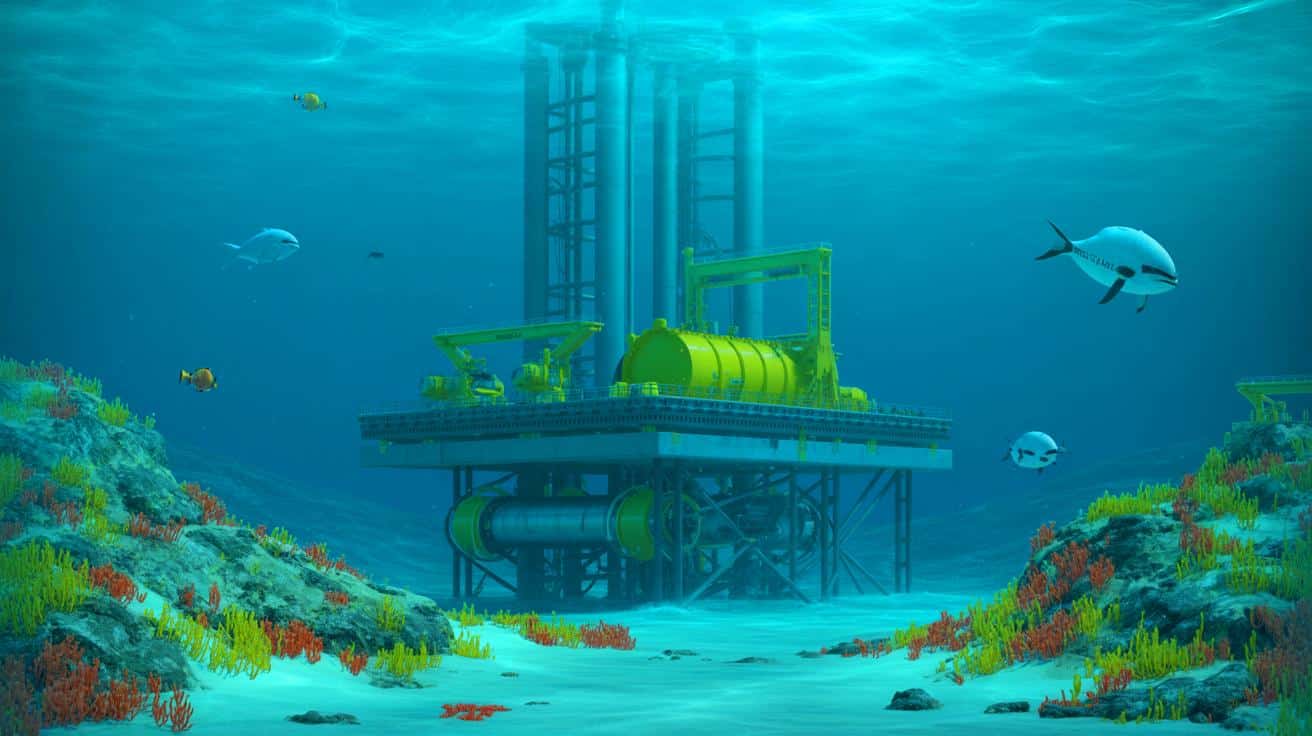
🌊 Norway’s second phase of a CO₂ storage project aims to absorb 5 million tons of carbon annually.
🔋 The Northern Lights initiative is part of Norway’s Longship CCS program and involves Equinor, Shell, and TotalEnergies.
📈 Phase 2 will increase storage capacity with new infrastructure like onshore tanks and CO₂ injection wells.
🔗 Norway’s project plays a crucial role in European decarbonization, supporting industries across Northern and Central Europe.
Norway has embarked on a groundbreaking initiative to tackle global pollution by launching the second phase of a significant cross-border CO₂ storage project. This endeavor is set to absorb approximately 5 million tons of carbon annually. Located over 8,500 feet beneath the seabed of the North Sea, this project represents a major advancement in carbon capture and storage (CCS) technology. Norway is positioning itself as a leader in the field, aiming to store pollution permanently beneath the sea. This development not only highlights the country’s commitment to sustainable practices but also sets a precedent for global CCS efforts.
Recap of the Initial Phase of Northern Lights
The Northern Lights project is a critical component of Norway’s Longship program, a government-backed initiative focused on CCS. The project is a joint venture between Equinor, Shell, and TotalEnergies, aiming for large-scale carbon storage. In 2025, the first phase was completed with the injection of CO₂ 1.6 miles below the seabed. This CO₂ was transported from Heidelberg Materials’ cement plant in Brevik via a 62-mile subsea pipeline to the Øygarden site, where it was stored in an Aurora reservoir under the North Sea.
Phase 1 aimed to store 1.5 million tons of CO₂ annually, attracting industrial players like Yara, Ørsted, and Stockholm Exergi. The success of this phase established the foundation for industrial-scale carbon management. Tim Heijn, Managing Director of Northern Lights JV, confirmed the reservoir’s effective operation, marking a significant milestone in the project’s progress.
Looking at Phase 2 of CCS Expansion
Phase 2 of the project aims to increase CO₂ storage capacity to 5 million tons per year by 2028, marking a transformative step in CCS capabilities. This expansion is supported by a $153 million grant from the EU’s Connecting Europe Facility for Energy. Key developments in this phase include the addition of onshore tanks, high-capacity pumps, new CO₂ injection wells, a second jetty for incoming ships, and liquified CO₂ transport vessels.
These enhancements are designed to support new emitters, enabling Northern Lights to absorb carbon from industries across Northern and Central Europe. Norway’s infrastructure plays a vital role in Europe’s decarbonization strategy, representing a win for the European climate mission.
Understanding the Importance of This Operational Tool
Carbon capture and storage is becoming an essential operational tool for industries, offering a viable solution for reducing emissions from sectors like cement, steel, and chemicals. The Northern Lights project is committed to delivering large-scale carbon capture and storage, setting a precedent for similar infrastructure across Europe. Countries like Denmark, the Netherlands, and the U.K. are already exploring comparable developments.
The CO₂ stored under the North Sea is securely trapped beneath impermeable rocks, ensuring it does not re-enter the atmosphere. This innovation could signify a long-term reduction in pollution, as other regions, including New York, invest in similar renewable energy projects over water.
A Climate Solution for the Future Is Found in the Deep Sea
The deep-sea storage site is now fully operational, with Phase 2 rapidly advancing towards its 5 million tons capacity goal. Norway is significantly contributing to Europe’s pollution management by leveraging geological solutions. The Northern Lights project addresses a critical environmental issue, positioning humanity to better manage carbon emissions.
While this is the first CO₂ storage initiative in the Northern Lights area, global attention is turning to innovative solutions like buildings that capture CO₂ from the air. This project not only provides a practical solution but also paves the way for future advancements in carbon management technology.
As Norway leads the way in carbon capture and storage, the potential for global adoption of similar technologies becomes increasingly promising. Could these initiatives herald a new era of sustainable practices worldwide, and how might they influence future environmental policies? The answers to these questions could shape the future of our planet.
This article is based on verified sources and supported by editorial technologies.
Did you like it? 4.5/5 (21)