
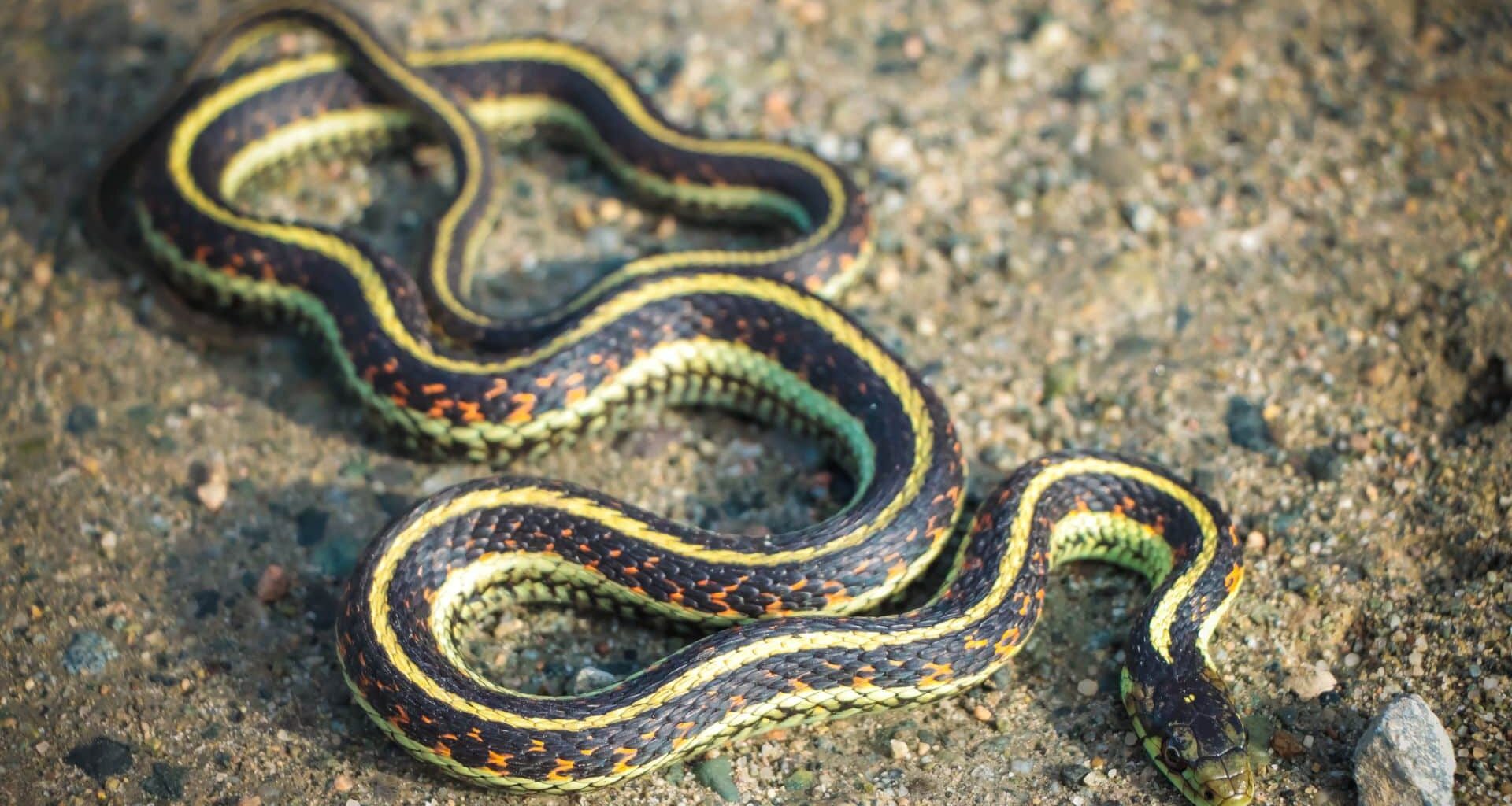
California has officially designated the giant garter snake (Thamnophis gigas) as the state’s official State Snake. This designation brings attention to the species, which faces significant environmental challenges. The giant garter snake, a unique reptile native to California, has seen its natural habitat severely diminished over the years.
The state’s decision is aimed at fostering greater public awareness about the threats to the species, such as habitat loss, climate change, and invasive species. It also underscores the broader need for wetland conservation, which plays a critical role in sustaining not only the giant garter snake but also many other local wildlife species.
A Rare Reptile: The Giant Garter Snake’s Vital Role in California’s Ecosystem
The giant garter snake is one of California’s most distinctive reptiles, growing up to 1.62 meters (5.3 feet) in length. This makes it the largest member of the garter snake family. The species is primarily aquatic, found in the Central Valley’s wetlands, including flood basins, freshwater marshes, and tributaries.
These habitats provide essential resources for the snake, including food, shelter, and space for reproduction. Historically, the giant garter snake thrived in these environments, playing a vital role in maintaining the ecological balance.
However, these wetlands have been disappearing at an alarming rate. Only about 5% of the original wetland habitat remains today, a drastic reduction largely caused by urbanization, agricultural expansion, and water diversion. The loss of this critical habitat has had a devastating effect on the snake’s population.
Over the last century, the number of giant garter snakes has declined by more than 90%, leading to its classification as a vulnerable species on the IUCN Red List.
While the snake can still be found in some areas, such as rice fields and irrigation canals, these environments are not ideal. The goal now is to restore and protect its natural wetland habitat, which is essential for the long-term survival of the species.
The Challenges Facing the Giant Garter Snake
Invasive species are another major threat to the giant garter snake. Non-native plants and animals often outcompete local species for resources, further reducing the availability of food and shelter for the snakes. In addition, the methods used to manage invasive plants—such as pesticides—can inadvertently harm the snakes.
Climate change is also a significant factor. The increased frequency of droughts and floods, as well as fluctuating water levels, have made wetland habitats less stable. The giant garter snake depends on the availability of consistent water sources, and as climate change continues to disrupt the natural cycles, the snake’s future looks increasingly uncertain.
Furthermore, water pollution from agricultural runoff continues to degrade the quality of the habitats that remain, further complicating efforts to protect the species.
California has officially named the giant garter snake its State Snake. According to IFLScience, these compounded threats have pushed the giant garter snake to the brink, with a steadily shrinking population that faces an uncertain future. Discover the significance of this decision and what it means for conservation efforts.
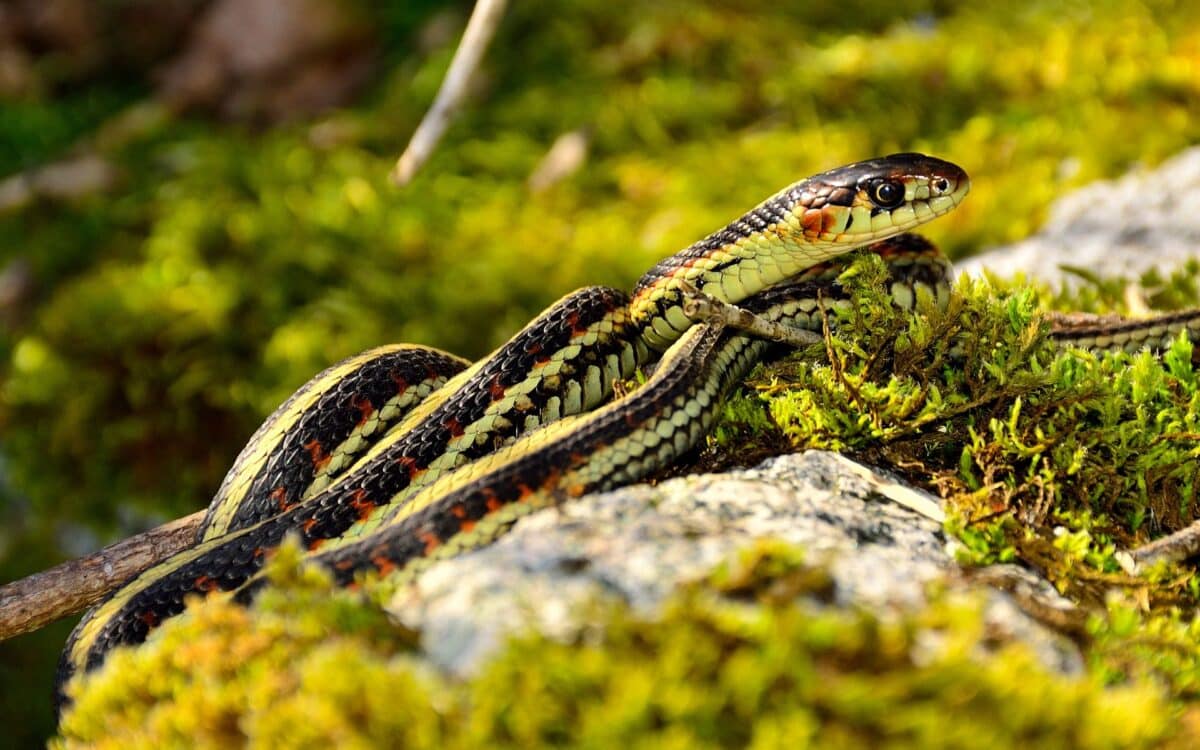 Garter snake. Credit: Canva
California Takes Action: Why the State Snake Designation Matters
The decision to make the giant garter snake California’s official State Snake is a significant step toward raising public awareness about the species’ plight. The bill, known as Senate Bill 765, was championed by Senator Roger Niello and supported by organizations such as Save The Snakes and the California Rice Commission. It was signed into law by Governor Gavin Newsom on October 9, 2025, marking a key moment in the effort to protect the snake and its habitat.
This designation will amplify conservation efforts, foster public education, and ensure the protection of this unique and ecologically significant reptile for generations to come – said Michael Starkey, Founder and Executive Director of Save The Snakes.
He made this statement in April 2025, when the bill successfully passed through the Governmental Organization Committee. Starkey emphasized that the designation of the State Snake is not just symbolic but a vital step in highlighting the importance of wetlands and the balance of nature within California.
The hope is that this recognition will lead to increased funding and support for wetland restoration projects, helping to protect the remaining habitat of the giant garter snake. These efforts, along with improved public education about the species, will be crucial to its survival.