
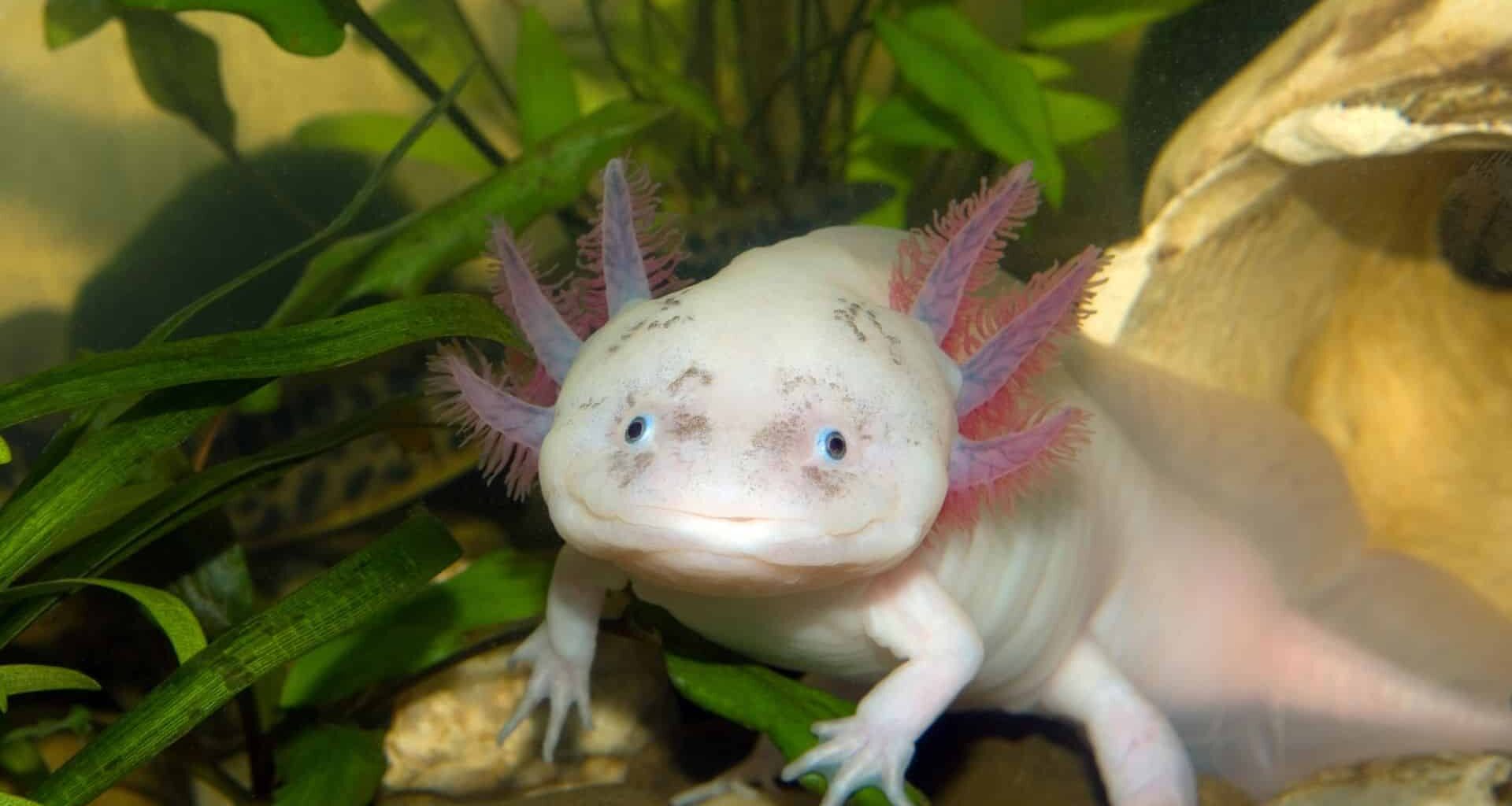
Deep beneath the tranquil waters of Lake Pátzcuaro in Michoacán, Mexico, a creature of extraordinary rarity and intrigue resides, known by locals as the Mini Dragon. This elusive being is part of one of the world’s most endangered species, and its survival is at risk.
Only around 150 individuals remain in their exclusive habitat, making them a subject of intense conservation efforts. In a bid to preserve this mysterious creature, a groundbreaking microchipping initiative has been launched, supported by an unexpected alliance. This project represents a pivotal step in protecting a species on the edge of extinction.
Microchipping For The First Time: A Revolutionary Step In Conservation
The Mini Dragon, also known by its scientific name Ambystoma dumerilii, has long been an enigma for conservationists. Identifying individual animals for tracking and monitoring has been nearly impossible, as these creatures are almost indistinguishable from one another by sight alone. As Adam Bland, the project lead and Assistant Team Manager for Amphibians at Chester Zoo, noted in a release to IFLScience,
“Achoques are very difficult, perhaps impossible, to tell apart by sight alone.”
The team, alongside the zoo’s vets, has successfully developed a method for implanting tiny microchips under the skin of the Mini Dragon. This advancement, though promising, wasn’t without its challenges. Due to the amphibian’s unique biology and aquatic lifestyle, traditional methods of tagging, such as rings or markings, were unsuitable.
“Because of their aquatic lifestyle and unique regenerative biology, amphibians and salamanders cannot always easily be tagged, ringed, or marked. Microchips offer an alternative, but because of that same weird biology, amphibian species have been known to absorb microchips into their body and excrete them or push them back out through their permeable skin over time,” Bland explained.
In the first phase of the project, 80 Ambystoma dumerilii were microchipped to test the method’s effectiveness. The chips, about the size of a grain of rice, were carefully implanted, and the salamanders were monitored closely for any adverse effects.
“We chipped 80 Ambystoma dumerilii to make sure the method would work for wild achoques,” Bland said.
Remarkably, none of the salamanders experienced any negative health impacts, and all microchips remained securely in place.
A Surprising Ally: The Nuns Who Saved The Achoques
The success of this groundbreaking project wouldn’t have been possible without the help of an unexpected ally: a group of nuns at the Monasterio de la Virgen Inmaculada de la Salud. These nuns have been instrumental in the protection and conservation of the Mini Dragon, having started a breeding program when the achoque’s population began to decline. The nuns now care for hundreds of these salamanders in carefully maintained tanks within the monastery.
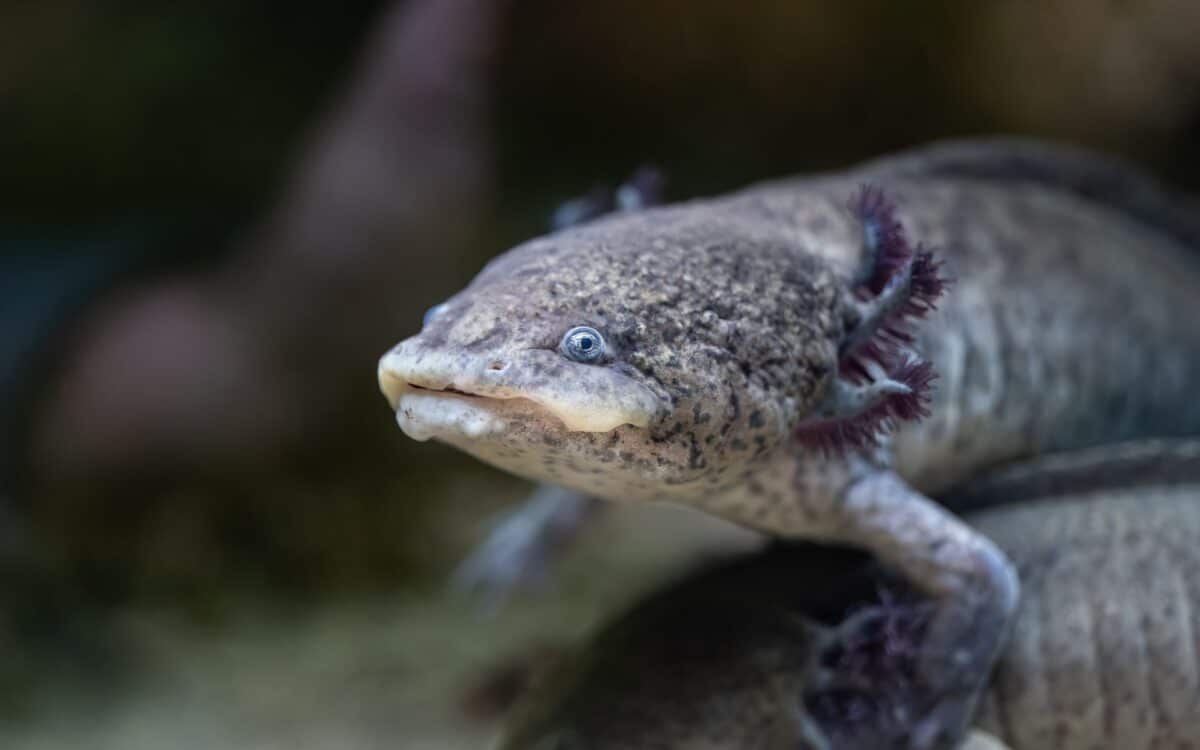
Their partnership with the Chester Zoo team was crucial to the project’s success.
“We were chipping them with the nuns watching protectively,” Bland recalled.
“It’s a real demonstration of how anyone can be involved in conservation.”
This collaboration emphasizes that efforts to protect endangered species can bring together people from all backgrounds, each playing an essential role in the preservation of nature.