
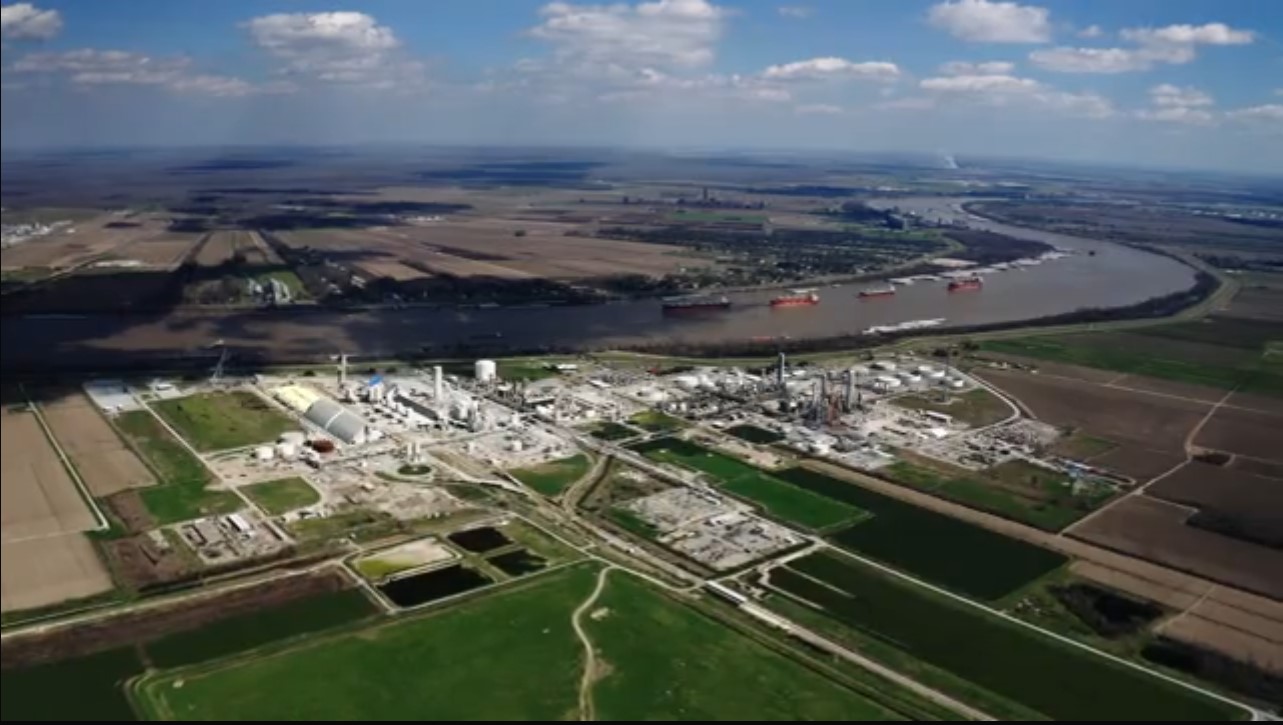
CHATTANOOGA, Tenn. — We take a deep dive into the award-winning film ‘Harm in the Water’, produced by Black in Marine Science (BIMS) and directed by Kendall Moore, which exposes the hidden dangers of water contamination and its disproportionate impact on low-income communities.
The film examines how toxins such as PFAS and industrial runoff persistently threaten public health along major waterways, including the Mississippi River and, closer to home, the Tennessee River and Chattanooga’s waterways.
I had the pleasure of speaking with a marine scientist and an associate professor about ways residents can stay informed and be safe.
“I think the most important thing is that when we have students, faculty, community members, staff, all involved in the creek cleanup, they actually get to observe and realize the importance of, you know, conserving, you know, these valuable resources. And that’s, you know, water itself, fresh water itself, said Dr. Stanton Belford, Associate Professor of Biology and Chair of Math and Sciences at the University of Tennessee, Southern.”“What’s really important is that water flows, you know, we talked about water flows. And so the pollution and things that are being input into the Mississippi River in Iowa is going to flow all the way down to the Gulf of Mexico, all the way down to the folks downstream. And so those same nutrients, that same pollution, those same impacts, are going to be carried, and those folks downstream aren’t necessarily contributing to the problem, so they have no reason to be prepared to deal with it, because they don’t necessarily know what’s going on, said Dr. Tiara Moore, Marine Ecologist, Founder and CEO of the nonprofit black and Marine Science.”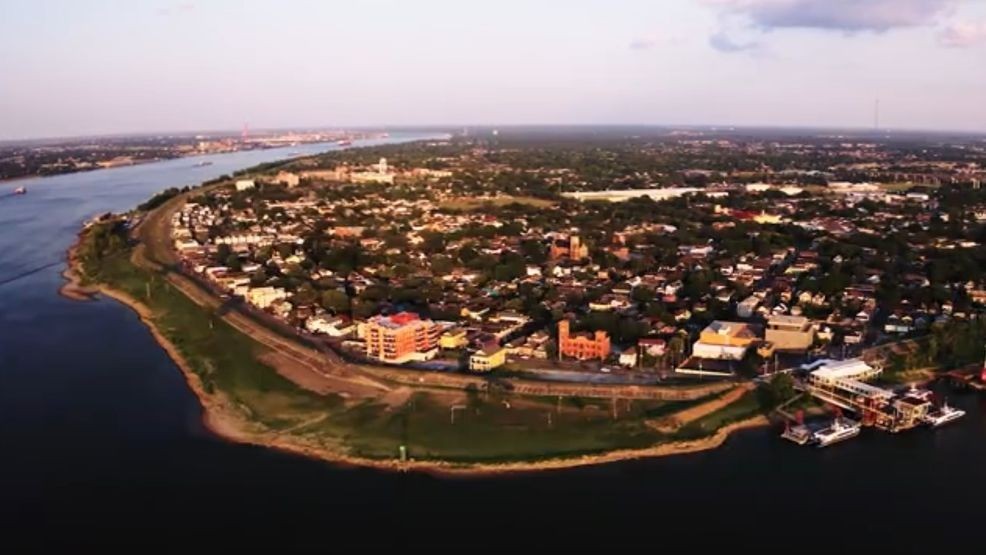
Photo credit: 2025 Harm in the Water Trailer v3{ }{p}{/p}
This story hits especially close to home following the 2024 study indicating that portions of the Chattanooga River are still too contaminated for safe swimming, despite ongoing cleanup efforts.
That’s why Dr. Tiara created a non-profit Black in Marine Science to help advocate for research and funding to help inspire the next generation of marine scientists.
I also asked Dr. Stanton, associate professor, how residents can help decrease the amount of pollutants in waterways, and here is what they had to say.

Photo credit: 2025 Harm in the Water Trailer v3{ }{p}{/p}
“I always believe that if you are in it, then you learn to love it, and then you will want to protect it. So, you know, feel free have fun. For example, I’ll give you a good example. How will a student love the ocean? Well, they first have to visit the ocean. And, you know, be around the ocean. Well, it’s the same thing in our local freshwater, our waterways. If we are around it, then we enjoy it, and then we want to protect it, said Belford Associate Professor of Biology and Chair of Math and Sciences at the University of Tennessee, Southern.”“So I really wanted to create a space to celebrate the black marine scientists who exist in this field, but also spread environmental awareness and, of course, inspire the next generation, so kids can be what they can see. And so the goal of making this film is actually saying, Hey, you shouldn’t need a PhD to understand what’s going on in your community, said Moore, Marine Ecologist, Founder and CEO of the non-profit Black and Marine Science.”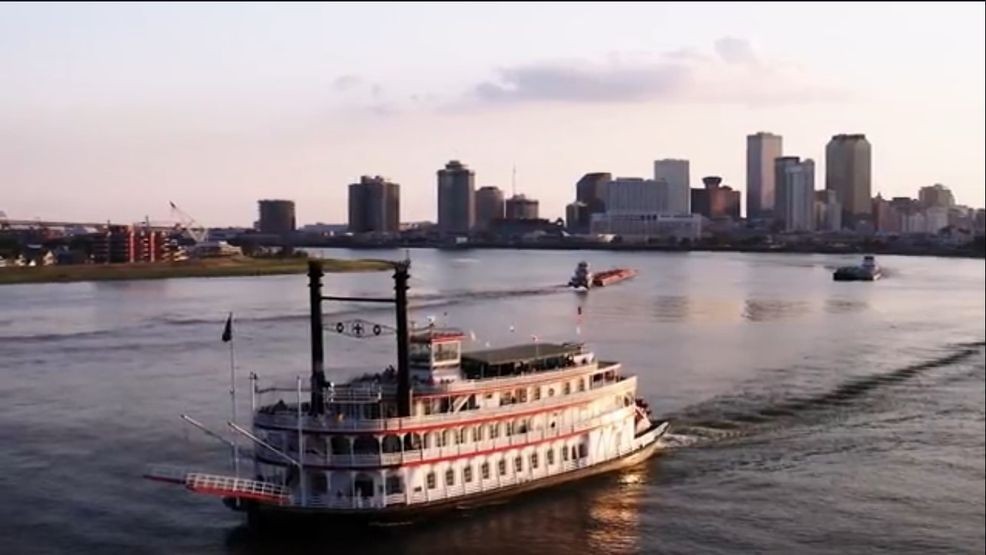
Photo credit: 2025 Harm in the Water Trailer v3{ }{p}{/p}
‘Harm in the Water’ brings a national and global lens to a local problem, calling attention to how these invisible pollutants continue to affect communities, ecosystems, and the next generation.
Experts also advise that right now, residents can help by avoiding plastics and using alternatives such as water bottles or items that can be recycled.