
When an AI-generated actress was unveiled at Zurich film festival in September, Hollywood reacted with fury. That talent agencies were allegedly lining up to represent Tilly Norwood played on fears that humans could soon be replaced by digital imitators.
“Good Lord, we’re screwed. That is really, really scary,” Emily Blunt told Variety. “Come on, agencies, don’t do that. Please stop. Please stop taking away our human connection.” Norwood, who has appeared in a short film, AI Commissioner, and has 65,000 followers on Instagram, was created by the British company Particle6. Her creator, Eline van der Velden, said she was “not a replacement for a human being but a creative work — a piece of art”. The Sag-Aftra actors’ union disagreed, condemning the replacement of professional humans with “synthetics”.
Whoopi Goldberg also questioned the ethics of creating Norwood on her talk show The View. “The problem with this … is that you are suddenly up against something that’s been generated with 5,000 other actors,” she said. But she also expressed hope: “Bring it on. You can always tell them from us. We move differently, our faces move differently, our bodies move differently.”
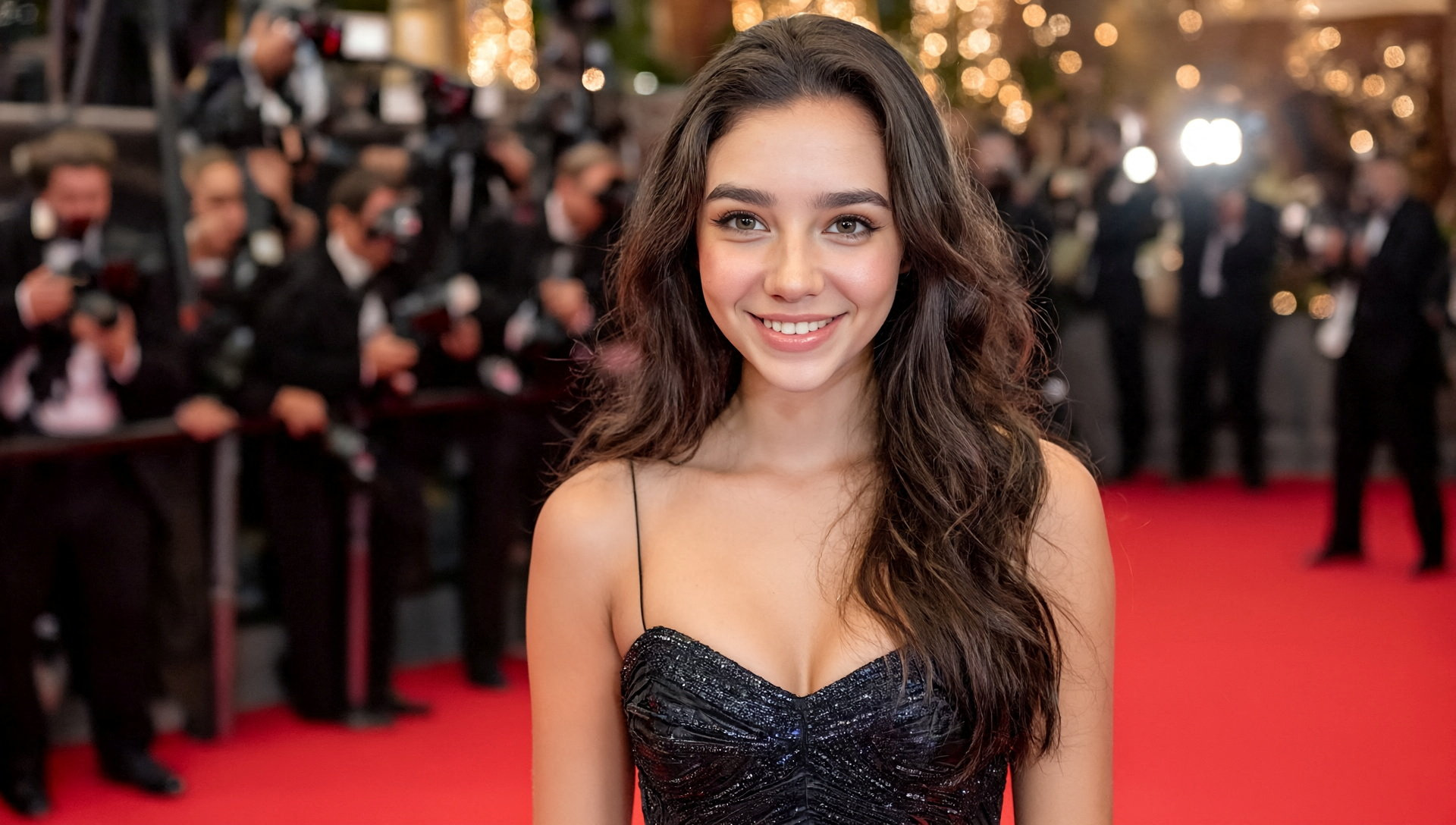
Tilly Norwood, the AI actress dividing Hollywood
REUTERS
The noisy backlash to Norwood suggests that Scarlett Johansson should not look for a new career just yet but the dystopian future has already arrived for Hollywood’s animal performers. Businesses that supply film, television and commercials with non-human actors warn that their animals are being replaced as AI tools rapidly improve, offering a cheap and easy alternative.
After struggling through the pandemic and Hollywood strikes, handlers say their livelihood now faces an existential threat. “Computer-generated images have existed for a while but this takes it to another level,” says Karin McElhatton, 71, owner of the Los Angeles county-based Studio Animal Services. “I think producers, movie-makers and commercial clients see AI as a way to do animals cheaper — and to wash their hands of all the humane monitoring and specifications from trainers to keep their animals happy and safe on set.”
• And the Oscar goes to Tilly Norwood? AI’s leading lady spooks Hollywood
Some guidelines can be burdensome for productions. The American Humane Society, which certifies the “no animals were harmed in the making of this film” disclaimer, states that all animals must be provided “appropriate protection from the sun, cold, rain, heat, snow and other elements”. AI animals do not require costly air-conditioned tents. They do not burn their paws on hot tarmac.
McElhatton, who has been a handler since the 1970s on films including Out of Africa and American Sniper, recently lost a large job to AI. A month ago she agreed to provide 30 goats at a cost of $30,000. The shoot for a television project was to take place in an “extremely difficult” location in California, which McElhatton checked out two days before filming. “And then the producers pulled the plug on 30 goats because they just decided to do them with AI,” she says.
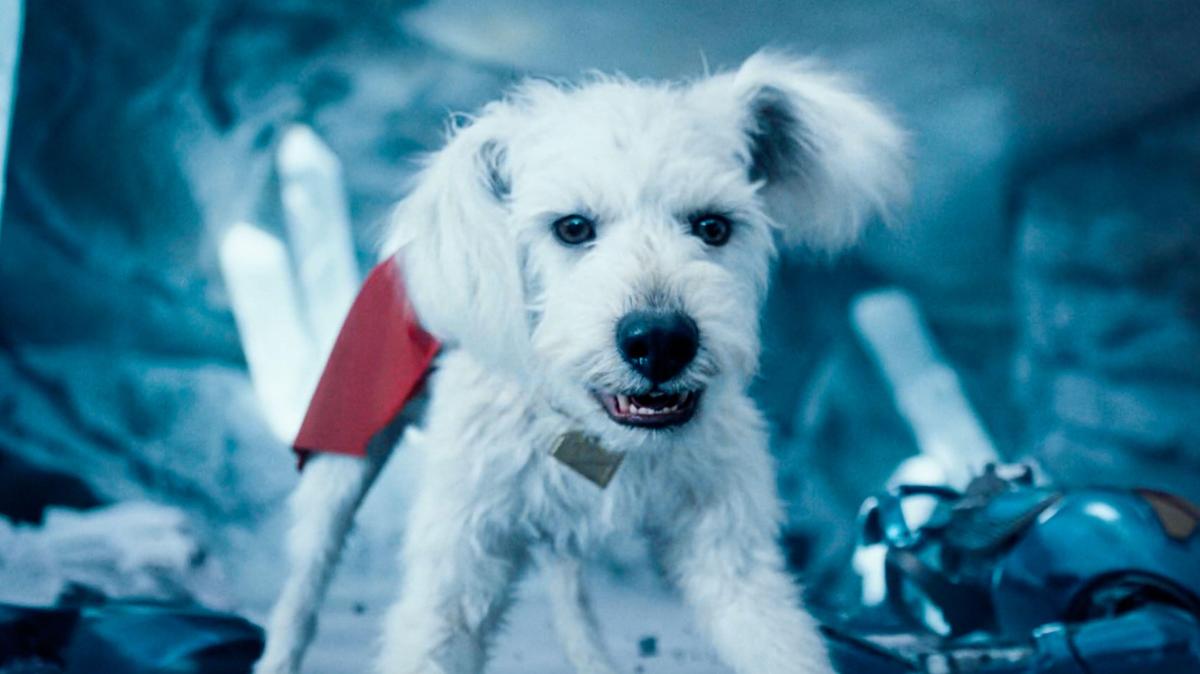
Megan-Kate Hoover, 44, owns the Ohio-based Pet Pawsible and trains rescue animals for film, television and commercial productions, including print advertising. She provided animals for the recent Superman film, though not the dog Krypto, who was computer-generated.
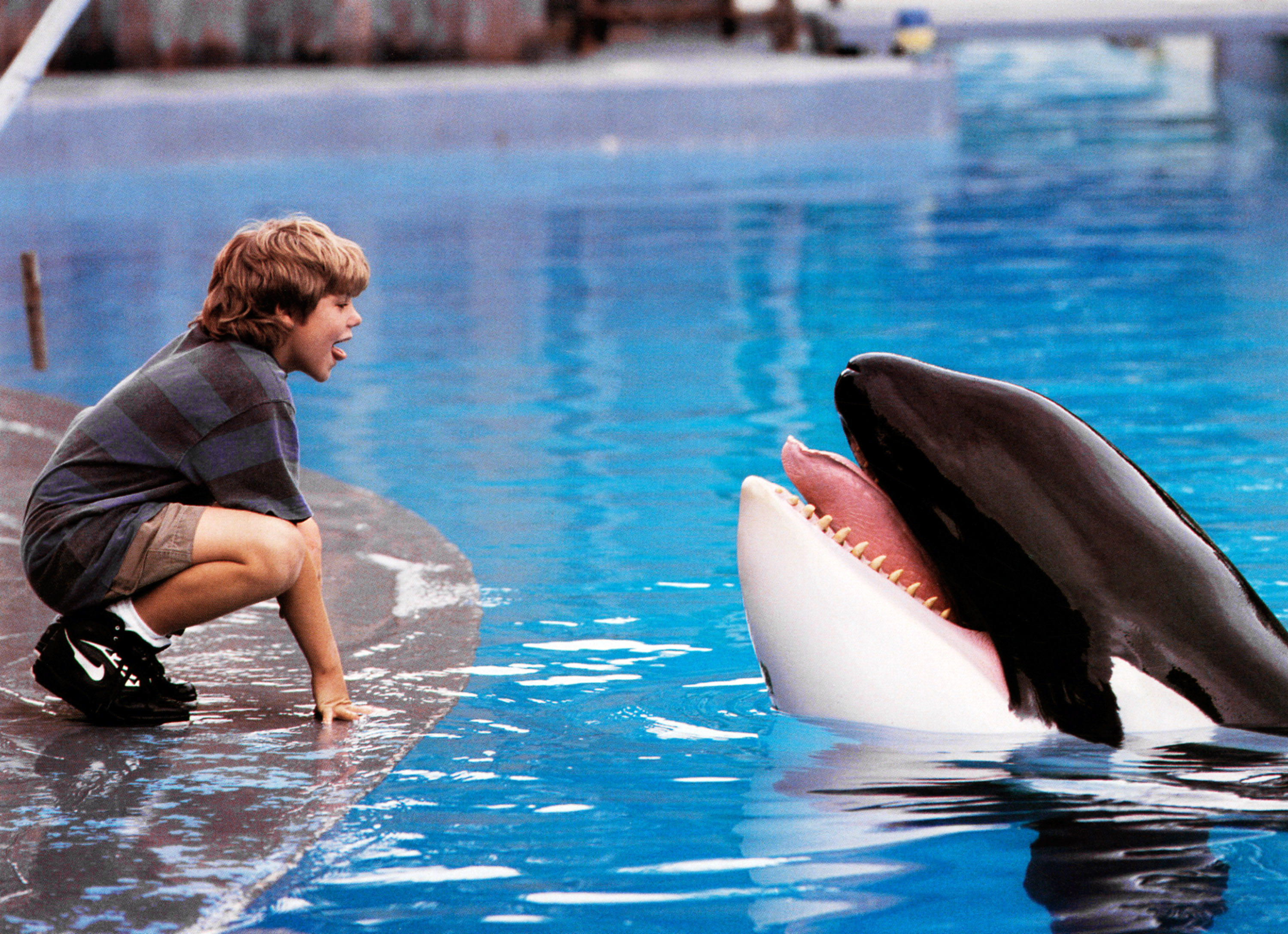
Keiko the orca in Free Willy from 1993
ALAMY
“You’re starting to see a few major brands change to AI animals,” Hoover says. She worries what will happen to her clients if her work continues to dry up, particularly exotic animals which are harder to home than cats and dogs. “Unfortunately, I think a lot of animals are going to be sent to sanctuaries. Humans can find a new job. I’m not saying that what’s happening to humans is OK. But there’s no other job that would pay that animal, or pay for their keep and time. And so the animals suffer.”
• Films made with AI can win Oscars, the Academy rules
There is also a human cost to animals being out of work. McElhatton says that many of her colleagues are failing to qualify for union health insurance because they have worked too few hours: “I don’t know of any animal companies that are rolling in cash,” she says. Even those who are in work are struggling to make ends meet, with monthly food, shelter and vets bills running into the tens of thousands of dollars.
Not everyone in the animal-handling business fears the roof is falling in. Kelly Capponcelli is the manager of Phil’s Animal Rentals, which houses mainly farmyard animals at a 30-acre ranch in Piru, about 45 miles northwest of Los Angeles. Business is thriving thanks to television and advertising work. Capponcelli’s cows feature in commercials for the fast food chain Chick-fil-A and her horses are in high demand.
A canny approach to AI has been key to the success of Phil’s Animal Rentals, Capponcelli says. She demands that any production company asking to scan her animals for AI pays a hefty fee and agrees to single usage. “You just have to be smart and make sure you sign contracts for one-time use only and then charge the shit out of them,” she explains.
• Read more film reviews, guides about what to watch and interviews
Capponcelli charged a recent client $4,500 to scan one of her reindeer. Another customer paid $10,000 to scan a flamingo. Both were single use, meaning another potential payday if the customer returns.
There is a problem with this business model, however. Given how relatively small the Hollywood animal supply industry is, the various companies work together and not all are as forward-thinking.
“Let’s say one animal company doesn’t have a goat, they’ll call me for a goat,” Capponcelli says. “We all work together and we all share animals. But I’ve had companies use ours and then end up turning them into AI animals. And they screwed us over because they never did the contracts correctly.”
Animals have a rich history in Hollywood. Lassie has a star on the Hollywood Walk of Fame, the German shepherd Rin Tin Tin rose to international fame after being rescued during the First World War and Keiko the orca appeared in Free Willy.

Roddy McDowall with Lassie in the 1943 film Lassie Come Home
GETTY IMAGES
Yet Paul Epstein, a veteran television producer, is not surprised that his colleagues are being seduced by AI. Four-legged performers, he says, are “difficult, they’re capricious. Even a well-trained dog can be tiresome on set. Cats are notoriously difficult and other animals can be quite dangerous”.
Epstein, an Emmy nominee with extensive experience on westerns, says it is common sense to use AI for animals such as alligators or bears.
Dogs, cats and horses can be worth the hassle, however. “If an actor is trapped and dying, and his dog comes to rescue him, you want him to feel joy and relief,” Epstein explains. “The dog is effectively a scene partner.”
Handlers agree. McElhatton believes prestige film-makers will continue to use real animals because AI, even as it advances in quality, will not match their authenticity.
Still, she doubts that high-end demand will be enough to sustain an industry she has dedicated her life to. “It’s sad, I feel like crying,” she says. “But I also feel blessed and lucky that I have had this wonderful experience in my life, getting to work with all these animals.”