
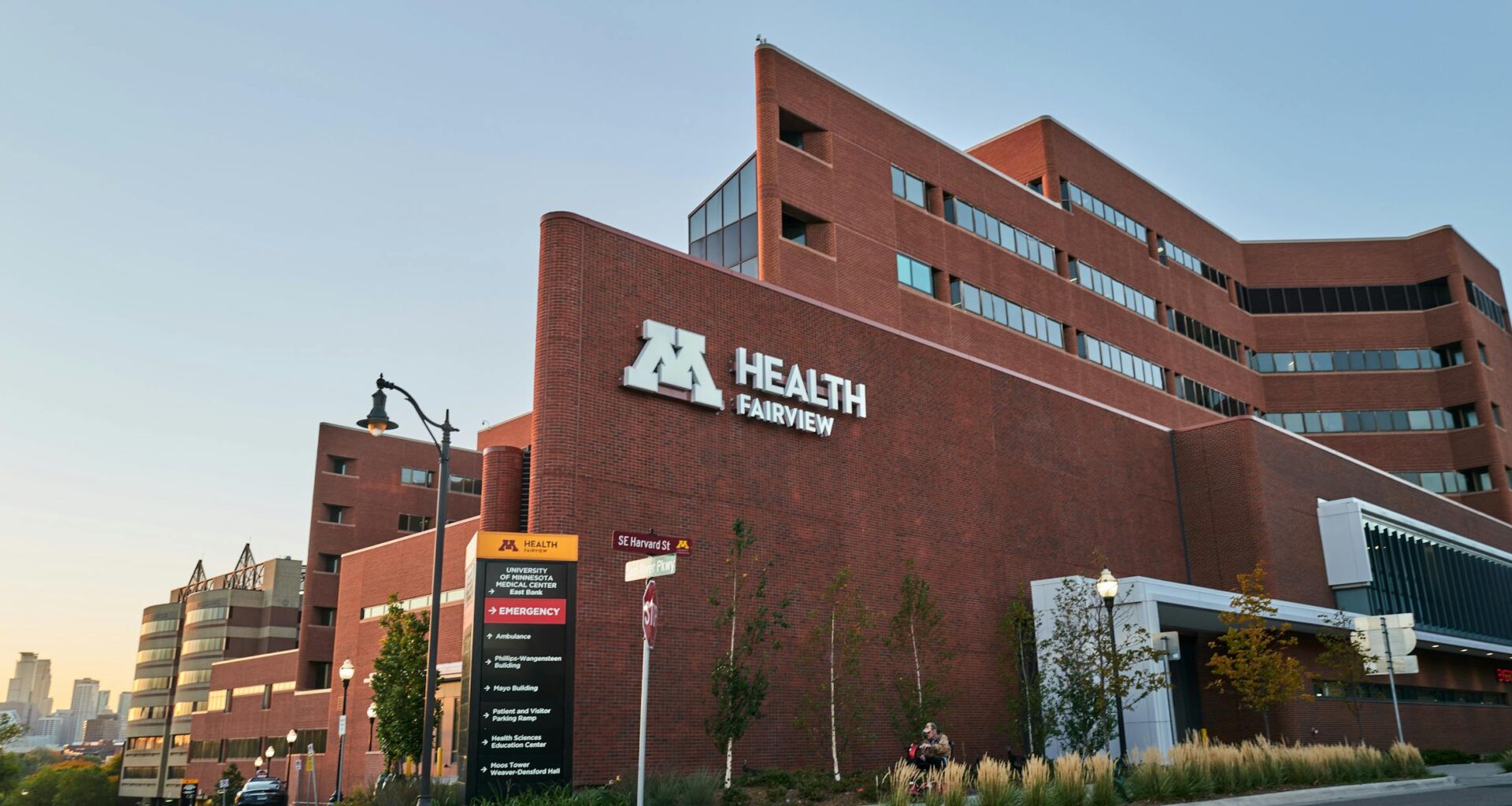
Final denials on hospital claims by UnitedHealthcare are 126% to 136% higher than other big carriers, Fairview says, adding that claims often require more follow-up. Denials often force Fairview to appeal decisions to secure payment already owed, the health system says, and can result in no payment at all for care that’s already been delivered.
“These issues directly affect Minnesotans’ ability to access timely, high-quality care and must be resolved to ensure long-term stability for patients and communities,” said Dr. Jaya Kumar, chief medical officer at Fairview, in a statement. “We cannot let a for-profit insurer put barriers between our patients and the care they need.”
UnitedHealthcare says Fairview is again communicating similar, false allegations about how the company processes claims, just as the health system did during the earlier Medicare Advantage dispute. These tactics are meant to distract people, the insurer says, from seeing how Fairview is pushing for significant price hikes that aren’t affordable for families and local companies.
The majority of UnitedHealthcare’s commercial members in Minnesota are enrolled in what are known as “self-insured” health plans, the company says, where employers take financial risk for the cost of medical claims.
With Fairview’s proposed rates, four of these self-insured employers would see their costs rise by $5.4 million or more each, the insurer says, while some of the most heavily affected companies’ costs would increase more than $6 million.
“Fairview’s proposal would increase health care costs by approximately $121 million, which would come out of the operating budgets of local employers,” UnitedHealthcare said in a statement. “This would impact the money they have to grow their business and compensate their employees.”