
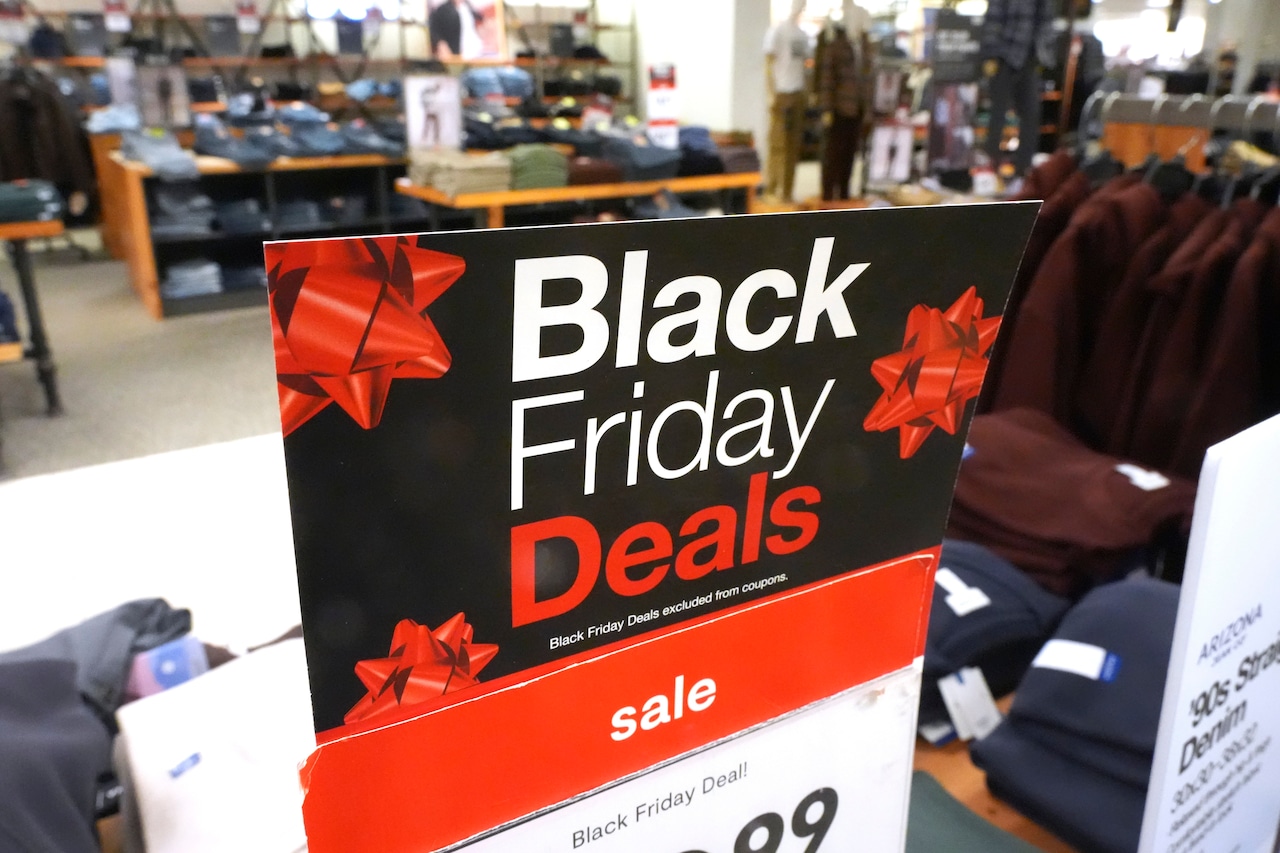
WASHINGTON – A grassroots movement called “Blackout the System” is using social media to organize a week-long economic boycott during the year’s busiest shopping period to protest corporate greed and political corruption. These are five takeaways from the effort.
1. A week-long economic boycott targeting the holiday season
The “Blackout the System” campaign calls for a nationwide economic protest from November 25 to December 2, a period that includes Black Friday and Cyber Monday. Organizers are urging participants to halt all spending, except at small, local businesses, to demonstrate their collective economic power. The movement extends beyond a simple spending freeze, also encouraging people to refrain from working and traveling during this week. The stated goal is to peacefully disrupt the U.S. economy, forcing policymakers and corporations to address the movement’s concerns.
2. A protest against systemic greed and inequality
The movement’s founder, Isaiah Rucker, Jr., frames the initiative as a response to “corrupt government activity, corporate greed, and the lies we’ve been fed to divide us.” He argues that the core issue is not a partisan divide but a “top vs. all the rest of us problem,” where corporate influence has captured the political system at the expense of ordinary people. The campaign aims to unite citizens from all backgrounds to demand an economy that distributes wealth fairly and restores dignity to labor, rather than prioritizing corporate interests.
3. Economists are skeptical of the boycott’s impact
According to Jonathan Ernest, an economist at Case Western Reserve University, broad and short-term boycotts like this one are typically ineffective. He explains that consumers often engage in “temporal spending shifts,” meaning they simply delay or move up their purchases rather than forgoing them altogether. This negates any significant financial impact on large businesses. Ernest notes that successful boycotts are usually targeted at specific companies, can be sustained for a long period, and have clear, identifiable goals—conditions that a general, week-long protest does not meet.
4. The strategy differs from historically successful boycotts
Organizers cite historical precedents like the Montgomery Bus Boycott and the Delano grape strike as inspiration. However, there are crucial differences. The Montgomery boycott lasted 381 days and targeted a specific city’s segregated bus system, while the Delano grape boycott lasted five years and focused on the table grape industry. Both campaigns were sustained, highly focused, and had specific, achievable demands. In contrast, “Blackout the System” is a brief, wide-ranging protest aiming for a broad demonstration of power rather than a sustained campaign against a single target.
5. Organizers are banking on mass participation for disruption
Despite expert skepticism, organizers are confident that massive participation can achieve their goals. Rucker predicts “millions” will join the blackout, building on a previous action that he claims reached over 40 million viewers online. The movement has partnered with other activist groups like The People’s Sick Day and has gained support from celebrities such as Rosie O’Donnell. By calling for both a spending freeze and a labor strike (“No Work”), the campaign hopes the sheer scale of participation will be enough to “bring the system down to its knees” and force a response.
If you purchase a product or register for an account through a link on our site, we may receive compensation. By using this site, you consent to our User Agreement and agree that your clicks, interactions, and personal information may be collected, recorded, and/or stored by us and social media and other third-party partners in accordance with our Privacy Policy.