
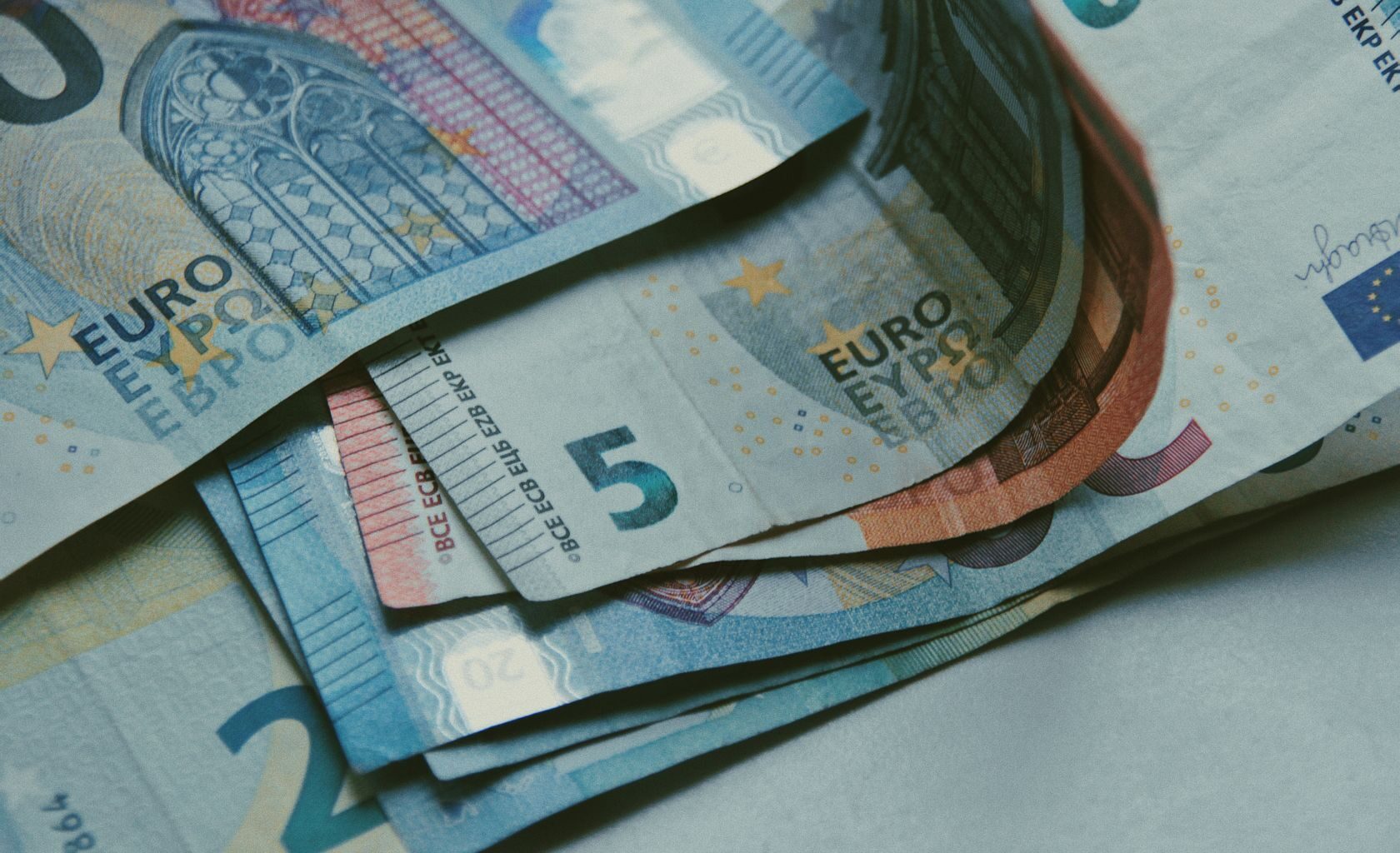
There is no defined amount, but some authorities recommend 70 euros per adult and 30 euros per child.
“Both the number of transactions and the amount withdrawn increased, a sign that many consumers made extraordinary withdrawals, partly to compensate for those that were not made on the day of the blackout due to the unavailability of a large number of ATMs. But it is equally plausible that a portion of the population chose to reinforce cash reserves, motivated by personal concerns and news that emphasized the usefulness of physical money in times of crisis,” reads the Bulletin, published by the Bank of Portugal at the end of October.
Physical money is a “safety net”
According to the banking supervisor, there is an important conclusion to retain following the blackout: “A sudden event, such as the one that occurred, reveals that cash remains indispensable. Physical money is not just a means of payment: it is also a strategic resource for operational continuity. It acts as a safety net, ensuring that the economy continues even when technology fails.”
Therefore, it is “essential to preserve a capillary network of cash access points, distributed in a balanced way throughout the territory. On the other hand, it remains prudent for citizens to keep some physical money available,” recommends the Bank of Portugal.
How much money should you have?
The European Central Bank (ECB) has also advised that citizens should have some physical money to respond to crises. So, how much money should you have saved? There is no set amount, but some authorities recommend €70 per adult and €30 per child.
At issue is an ECB study – ‘Keep calm and carry cash’ – which concluded that “the usefulness of cash intensifies when stability is threatened.”
Among other points, the study revealed that cash is “a critical component of national crisis preparedness” and highlighted that “central banks, finance ministries and civil protection agencies in several countries now recommend that families keep enough cash available for several days for essential purchases.”
“For example, authorities in the Netherlands, Austria and Finland suggest maintaining amounts ranging approximately between 70 euros and 100 euros per family member, or enough to cover essential needs for about 72 hours,” reads the ECB study.