
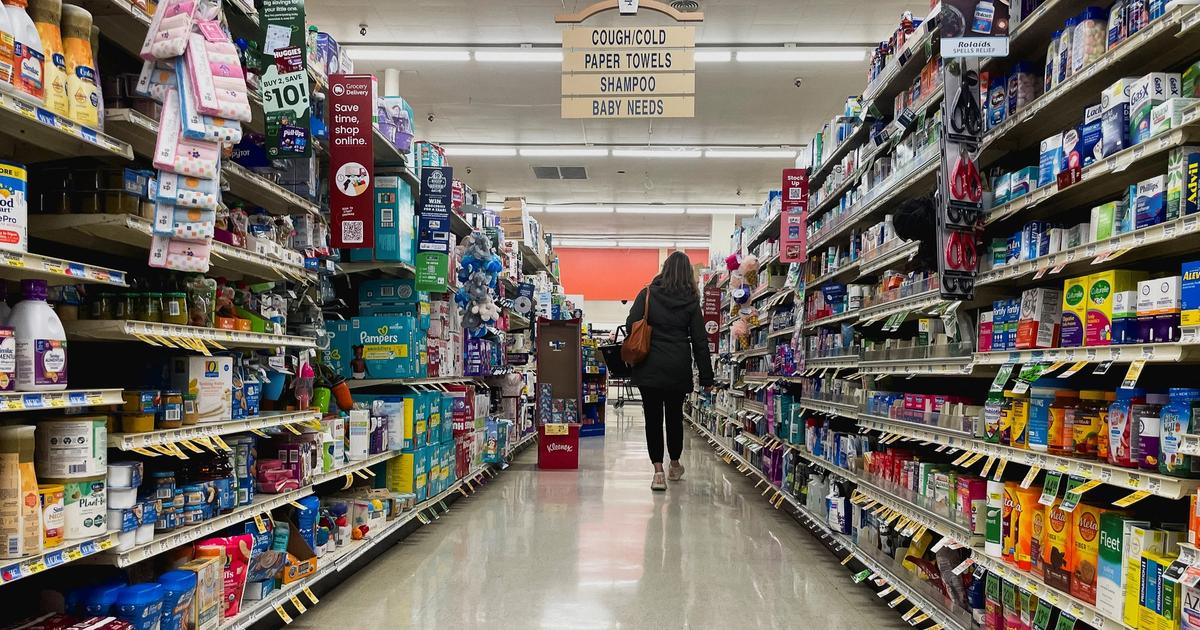
A 50-year mortgage to lower monthly payments. Investigating meat-packing companies over beef prices. Brow-beating pharmaceutical companies into slashing drug costs. Floating the idea of $2,000 checks for households, cut from tariff revenue.
President Donald Trump has called the idea of an affordability crisis a “con job by the Democrats.” But these ideas and comments from his top advisers over the past week — since Democrats won key races across the country — strain Trump’s claim that he’s not worried about the political backlash of stinging prices.
The most pointed comments came Wednesday from Treasury Secretary Scott Bessent. In an interview on Fox News, he signaled the administration could soon exempt coffee, bananas, and other groceries from tariffs, paralleling a bipartisan Senate bill introduced earlier this month. (The average price of coffee spiked more than 40% for the year ending in September, according to the St. Louis Federal Reserve.) In a speech later at the New York Fed, Bessent pointed to lower yields on Treasury bonds, which set the benchmark for loans to households.
The push comes after Democrats running affordability campaigns — including New York’s Zohran Mamdani and New Jersey Gov.-elect Mikie Sherrill, who promised to freeze electric-utility rates — cruised to victory last week.
“As Democrats, we’re committed to addressing this affordability crisis,” House Minority Leader Hakeem Jeffries said Wednesday on the steps of Capitol Hill hours before his caucus, which has been pushing for an extension of enhanced health care subsidies, prepared to vote against the Senate’s spending deal. “That’s what this fight has been all about — and we’ll continue to work hard to lower the high cost of living.”
The lack of up-to-date inflation data has limited evidence for both the White House and its critics. The Bureau of Labor Statistics may never publish the October inflation data delayed by the shutdown, White House Press Secretary Karoline Leavitt said Wednesday. She also cited a first-ever report from DoorDash that showed food and delivery prices coming down.
“Being in the dark … leans me toward being extra careful because we’re not going to see if the inflation side starts going wrong,” Chicago Fed President Austan Goolsbee told Semafor earlier this month.