
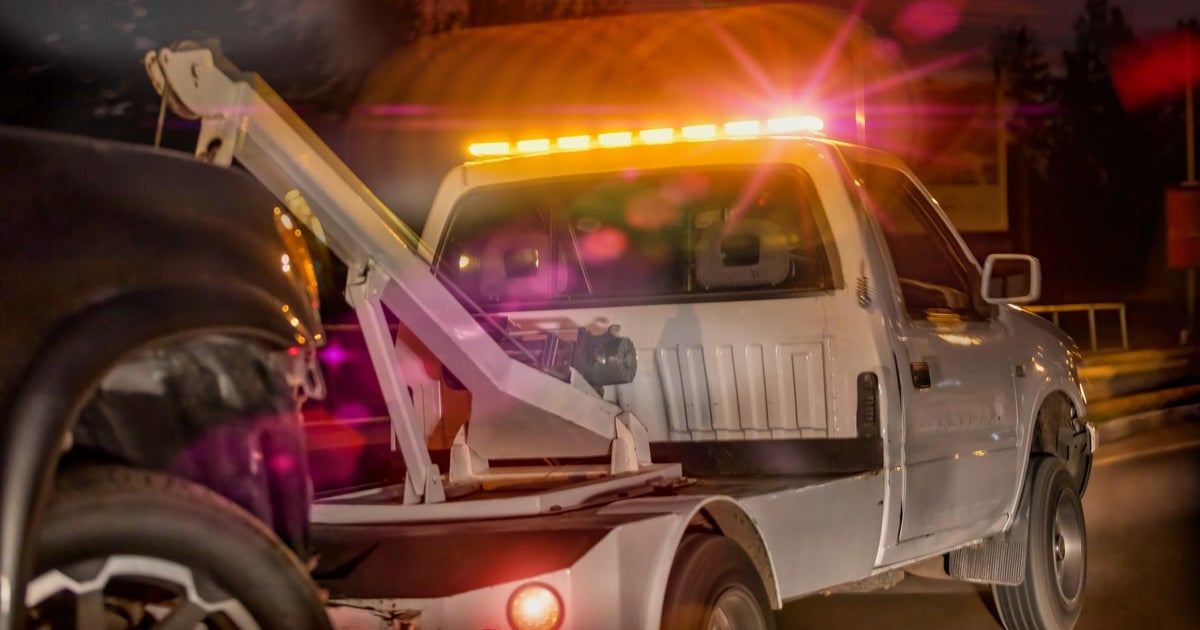
Repossessions of cars are surging in a way that’s hard to ignore.
More than 2.2 million vehicles have already been repossessed this year, a number expected to climb past 3 million by the end of 2025, in line with the Great Recession.
Do the numbers signal deeper trouble in the American economy?
“Right now we’re having this issue where there can be dangers for part of the economy,” said Tyler Schipper, an associate professor of economics at the University of St. Thomas. “These repossessions are highly likely to be concentrated among lower-income individuals.”
Among the factors squeezing borrowers with lower credit scores or limited credit history: high vehicle costs and loan rates.
In September, the average new car price reached over $50,000 for the first time. The average monthly payment hit $749 at a 6.8% interest rate and $529 for used cars at just over 11.54%.
“There’s a few different reasons we’re seeing this affordability erosion,” Schipper said. “One was that post-pandemic car prices went way up. Then later that triggers really high insurance rates, because if you’re going to insure a car that’s more expensive, that insurance is now more expensive. Now we’re kind of seeing a third wave of that which is inflation for car parts, and so if you’re trying to repair that vehicle and keep it on the road, those prices are up 11% to 12% this year as well.”
Shannon Martin, an insurance expert with Bankrate, says repossession can happen faster than many realize.
“The common timeline of repossession is between 60 and 120 days. But if you have a subprime loan or a buy-now-pay-here, it can be as soon as 30 days after your first missed payment,” Martin said.
If you’re at risk of repossession, Schipper says the best thing you can do is call your lender.
“They lose money if the car has to get repossessed because they have to pay the people that are repossessing the car,” he said. “That does leave some wiggle room in some cases then to figure out terms of payment with your lender.”
In previous downturns, spikes in car repossessions have coincided with job losses.
While unemployment remains relatively stable, that could change quickly if the economy weakens.
More from CBS News