
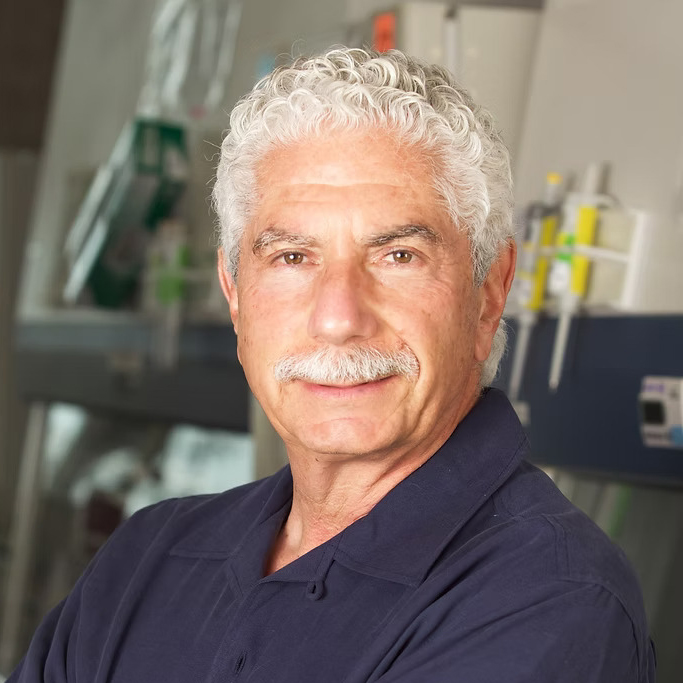
David Cheresh, Ph.D.
In the current study, the researchers discovered that in some cancer cells, STAT3 is able to activate specific genes critical for adaptation to stress and inflammation. They found:
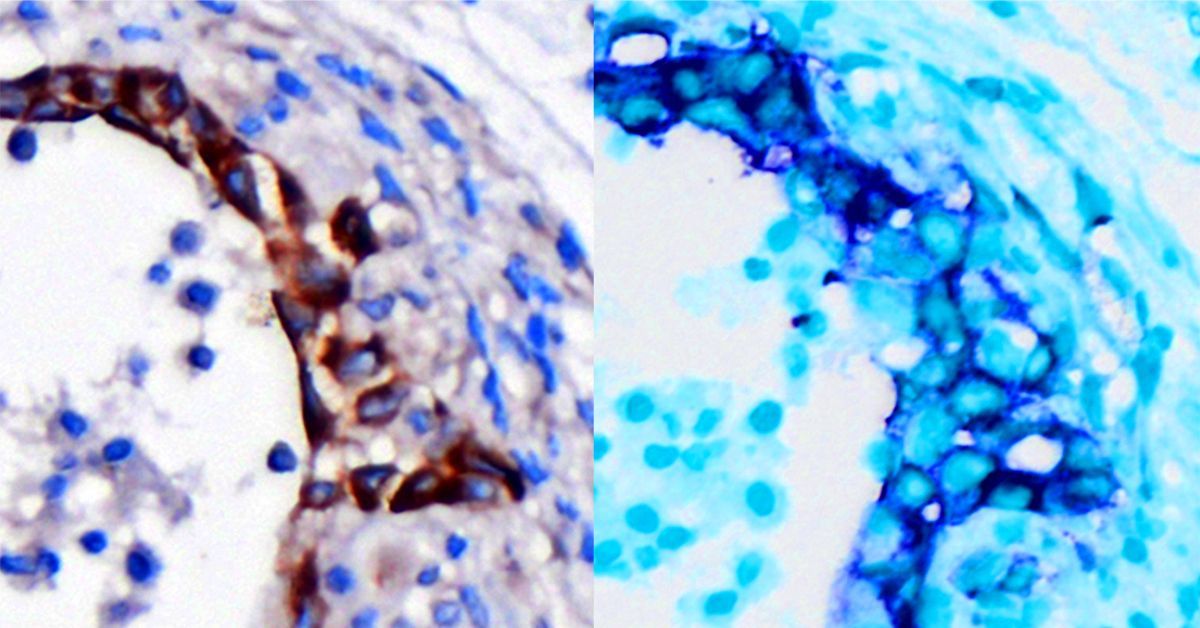
In the presence of inflammatory proteins and stress induced by low oxygen levels, STAT3 turned on a gene called Integrin β3 (ITGB3) in mouse and human pancreas cells.
ITGB3 expression promoted the initiation and accelerated the progression of PDAC tumors.
Inflammation and cellular stress caused by chemotherapy also activated STAT3, increasing ITGB3 expression in PDAC cells.
Blocking the STAT3 inflammatory pathway that regulates ITGB3 delayed tumor initiation.
STAT3 induces the expression of 10 genes including ITGB3 that represent a gene signature the researchers dubbed “STRESS” that predicts the outcome of pancreas cancer.
Relative to existing gene signatures, the STRESS signature better predicted not only whether cells would later develop into full-blown pancreatic cancer, but also predicted the aggressive state of the tumor.
The researchers believe the findings can be applied to precision medicine, developing early screening tools that recognize precancerous cells. It could also help clinicians and identify which patients are more likely to develop aggressive cancers and which ones will respond better to traditional pancreatic cancer treatment as the disease progresses to later stages, according to senior author of the study, David Cheresh, Ph.D., distinguished professor and vice chair for research and development in the Department of Pathology at UC San Diego School of Medicine and a member of UC San Diego Moores Cancer Center.
They are also beginning to explore molecules that block inflammation from activating ITGB3 in pancreatic cancer as well as other cancers that affect the surface of tissues, including lung, breast and skin cancers in order to prevent tumors from progressing, spreading and becoming resistant to drug therapies.
Read the full study in Cell Reports.