
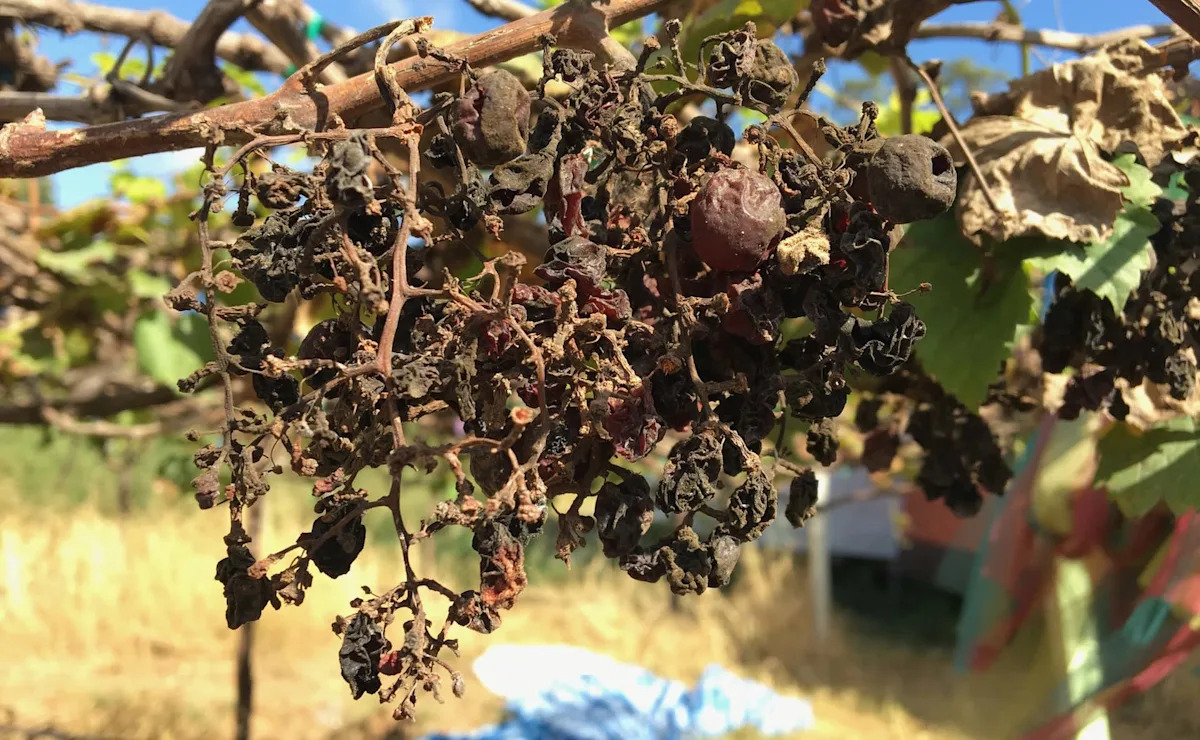
The effects of a lengthy summer drought are being felt across eastern Canada as farmers are left reeling by a sharp reduction in the yields of a popular export crop.
What’s happening?
The Toronto Sun reported that the lack of rainfall this year has been devastating to the wild blueberry farms across New Brunswick, Nova Scotia, and Quebec. This year’s harvest is expected to be about 20 million tons, down 70% from the three-year average of 68 million tons.
“This year has been tremendously dry and we haven’t really seen this in a long time,” explained Donald Arseneault, general manager of NB Blueberries group. “Farmers have lost so much money.” He anticipated that the problems would only worsen in time.
Why is a low blueberry crop yield concerning?
Wild blueberries differ from cultivated blueberries in size, taste, and nutrition profile. They are smaller, have a much more intense flavor, more antioxidants, and less sugar. Wild blueberries aren’t planted in rows but simply encouraged to grow by farmers. As a cold winter is integral to their growth, Canada is the world’s leading producer of wild blueberries. In the United States, Maine accounts for 99% of the country’s production.
Warmer winters and drier summers are considerable threats to the industry, which contributes hundreds of millions of dollars to the Canadian economy. Unfortunately, the heat-trapping pollution of human activity is directly leading to these unfavorable conditions. Indeed, farmers worldwide are suffering from prolonged droughts, heat waves, and extreme weather events.
What’s being done about low crop yields?
Wild blueberry farmers are seeking aid from the government to cover their losses in the short term. Long-term, the existential threats to the global food supply will necessitate a rethinking of how industrial agriculture functions. A pivot toward more sustainable methods will be needed in the future.
Growing your own food is actually quite a bit easier than most realize, and homegrown produce tastes better and has superior nutrition to produce from the supermarket. It also helps that it didn’t have to travel over 1,000 miles to get your table.
Join our free newsletter for easy tips to save more and waste less, and don’t miss this cool list of easy ways to help yourself while helping the planet.