
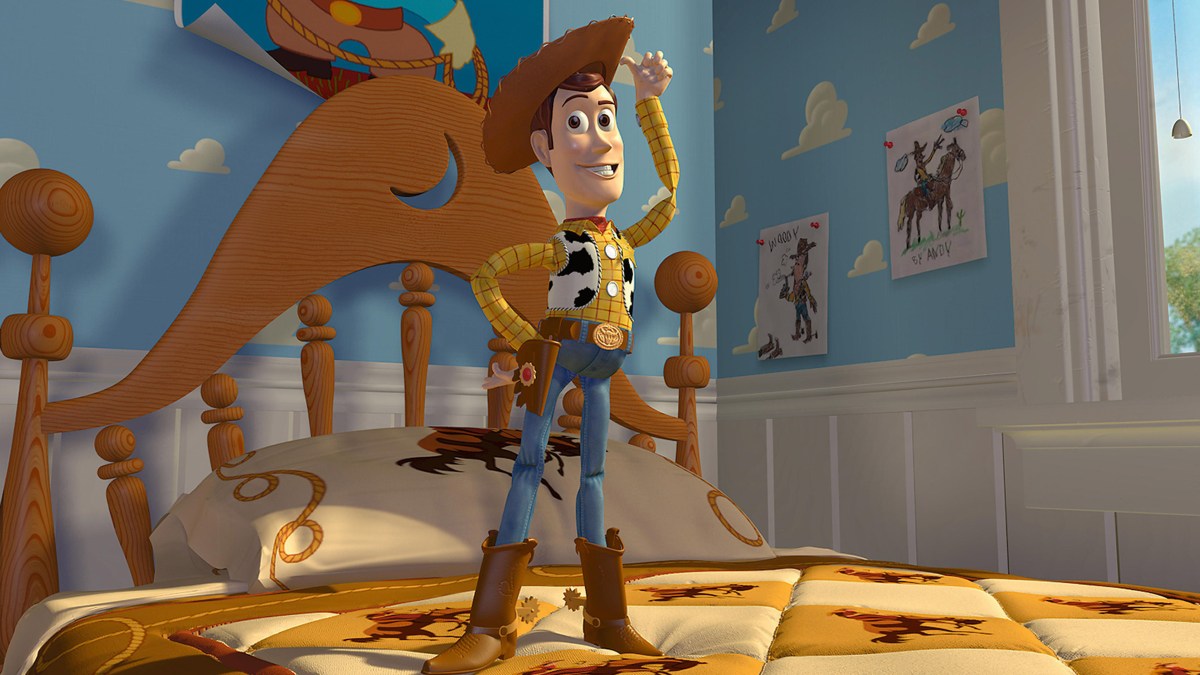
Pixar producers were nervous as Disney executives shuffled into a Burbank screening room in November 1993, eager to see a preview of a film called Toy Story.
They were right to be apprehensive. A clip of a toy cowboy berating his fellow dolls appalled the executives, who considered pulling the plug on the project. The day became known as Black Friday by the creative team at Pixar, who were given two weeks to salvage the film.
What happened next is Hollywood history.
By the time Toy Story arrived in November 1995 — 30 years ago this week — the cowboy, voiced by Tom Hanks, was a lovable everyman named Woody whose friendship with the spaceman Buzz Lightyear captivated children and adults alike.
Toy Story was a blockbuster success, making more than $370 million at the box office and, in a watershed moment for Hollywood, proved that computer-animated films could be as emotionally resonant as live action. It spawned three sequels. A fourth, Toy Story 5, will be released next June.
Recalling the early stages of Toy Story’s development, Pete Docter, Pixar’s chief creative officer, said: “It was so fun because we didn’t know what the hell we were doing. None of us had done this before.
“There had never been any feature made with computers, so we were just making it up as we went. It defined so much of what we’ve done since then, both the process and our approach to storytelling, even thinking about our audience not as kids but like us. That was our approach as we made Toy Story.”
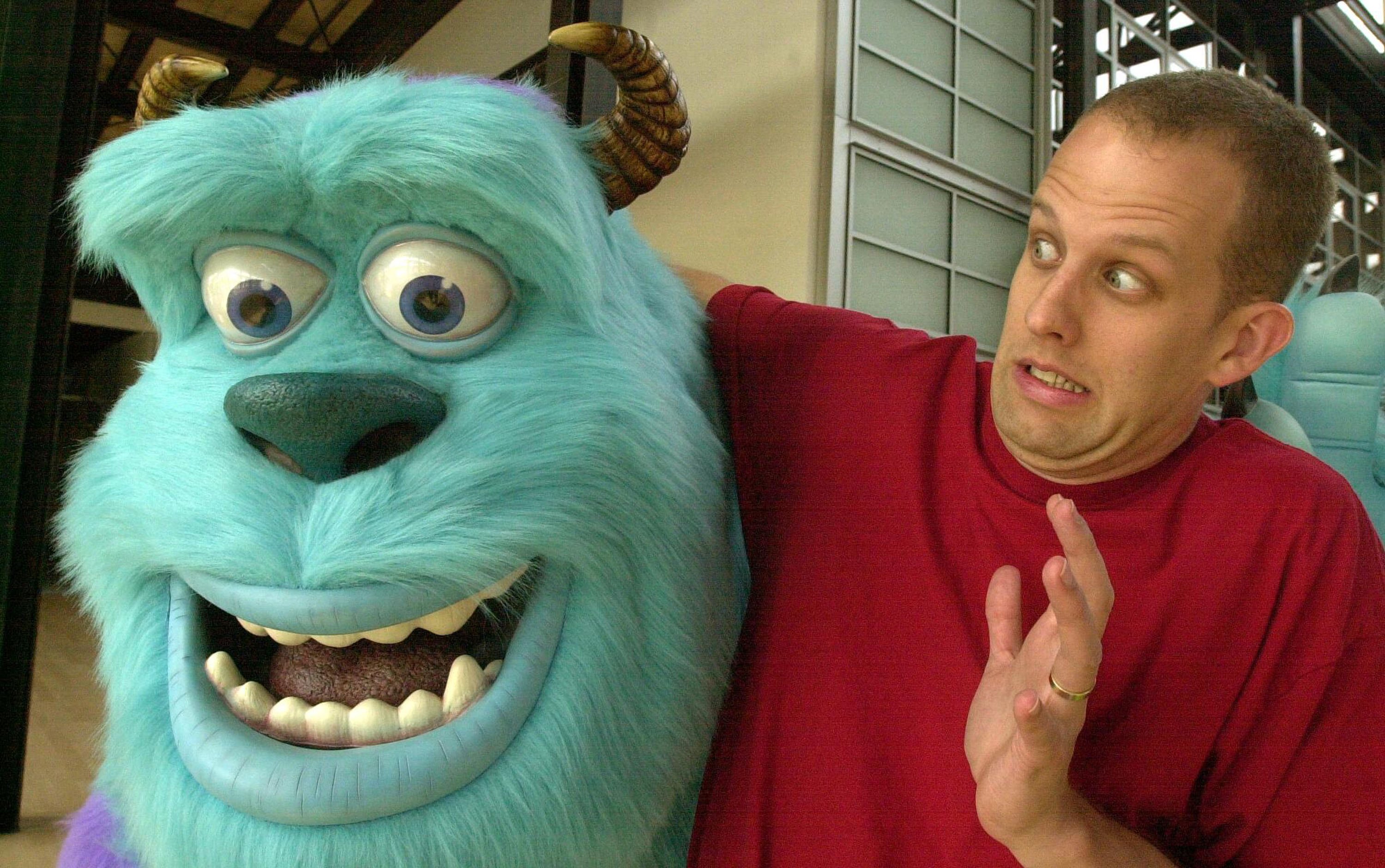
Pete Docter with Sulley, from Monsters Inc, which won three Academy awards in 2002
BOB LARSON/CONTRA COSTA TIMES/ZUMA/SHUTTERSTOCK
Today, Pixar is a Hollywood behemoth responsible for some of the greatest films of the past 50 years. Its releases, from Monsters Inc to The Incredibles, have earned more than a dozen Oscars and made an indelible mark on popular culture. That success led Disney to buy Pixar in 2006 in an all-stock transaction valued at about $7.4 billion.
• The best Pixar films ranked, from Toy Story to The Incredibles
Woody is now one of the most recognisable characters of pop culture, adorning lunch boxes and backpacks.

Tom Hanks has voiced Woody in all four films. His brother, Jim, voiced the character in video games and attractions
JOEL C RYAN/INVISION/AP
He began life, however, as a more sinister character. Early designs were inspired by a ventriloquist’s dummy and the character was abusive towards the other toys, a far cry from the admired leader he became.
Buzz, voiced by Tim Allen, was known as Lunar Larry, though the early sketches were later deemed too quirky.
Toy Story’s teething problems came to a head at the infamous screening when Disney executives including Jeffrey Katzenberg, the chairman at the time, took their seats in 1993 to watch the story reel.
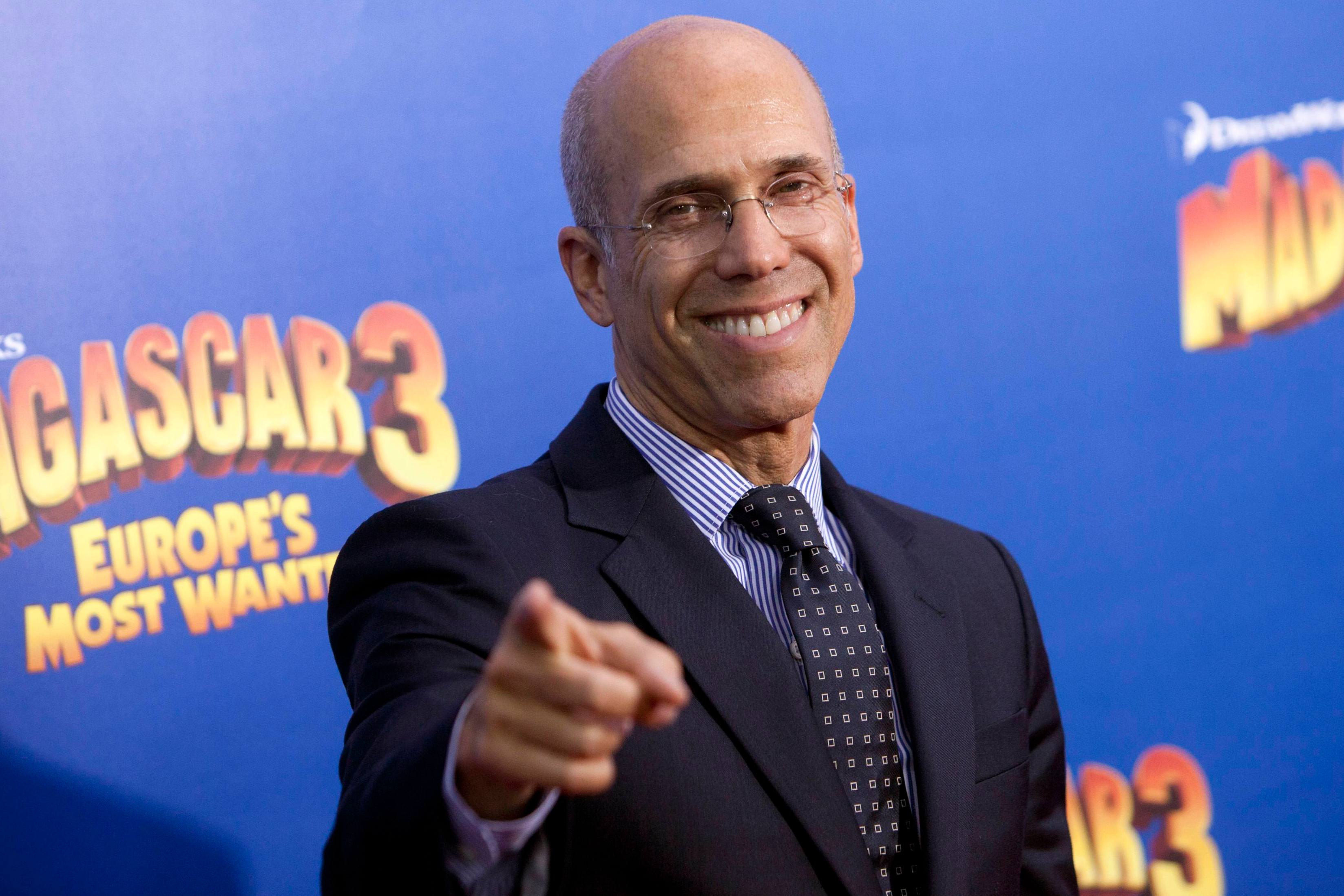
Jeffrey Katzenberg
ANDREW KELLY/REUTERS
The sketch took place before a trip to Pizza Planet and the toys were placing bets on whether Andy, the child to whom they belonged, would take Woody or Buzz. Woody threw Buzz out of the window before berating the other toys for daring to challenge him.
Disney’s reaction was “really unsettling”, Docter said. “We had been working on this thing for probably two years at the time and now it looked like it wasn’t going to happen at all.
“We had worked our butts off to make a movie and we said look, if we’re going to go down let’s at least go down for doing something we believe in. I think one of the reasons it didn’t work was because we were trying to second-guess what the guys at Disney were looking for.
“Our first version was kind of childish and young, they were pushing for more ‘edge’. Jeffrey Katzenberg, the chairman of Disney, kept saying, ‘We need edge’. And we’re like, ‘What the hell does edge mean? I don’t know.’ So we were looking for that, and ultimately kind of came up with our own way of doing it.”
In two weeks, Pixar softened Woody, making him more sympathetic and less cynical. Katzenberg’s demand for “edge” resulted in a film suitable for children and adults. Disney’s intervention worked and Toy Story was an enormous success.
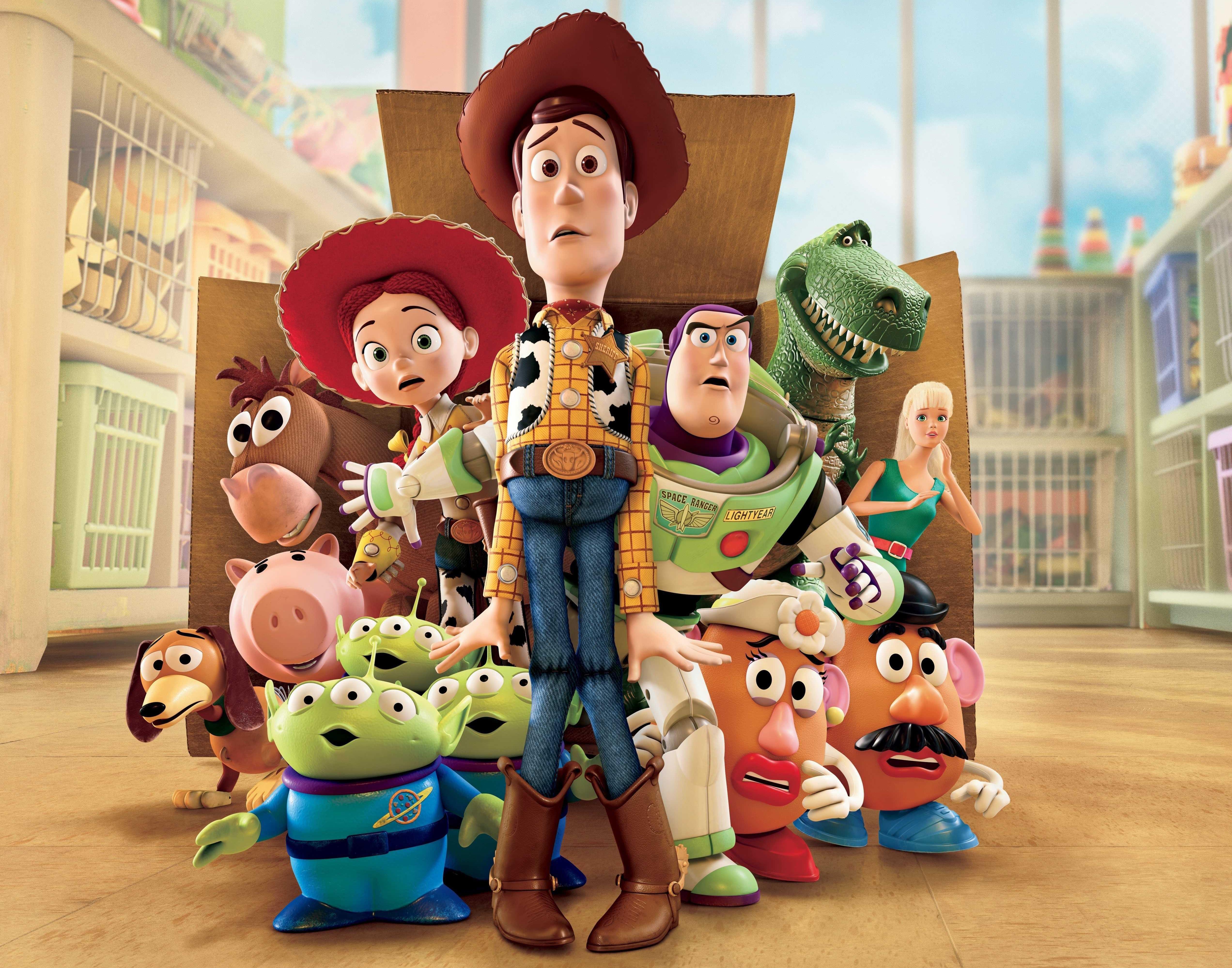
Toy Story 3 was the first animated film to make $1 billion globally at the box office
DISNEY PIXAR/ENTERTAINMENT PICTURES/ALAMY
• How animation saved Hollywood
Computer graphics proved no obstacle and audiences young and old fell in love with a film only ostensibly about toys. Toy Story, like the other Pixar films that followed, was about being human.
The four Toy Story films have grossed more than $3 billion. The fifth will be released in an America vastly different to that of 1995. The US is deeply divided and Disney has been dragged into the culture wars. Even Pixar’s reputation has been damaged by recent box office misses. Yet Toy Story remains timeless.
Docter said: “It’s appropriate that it is the most iconic of the Pixar films, because it was a huge block that set the tone for future building.”