
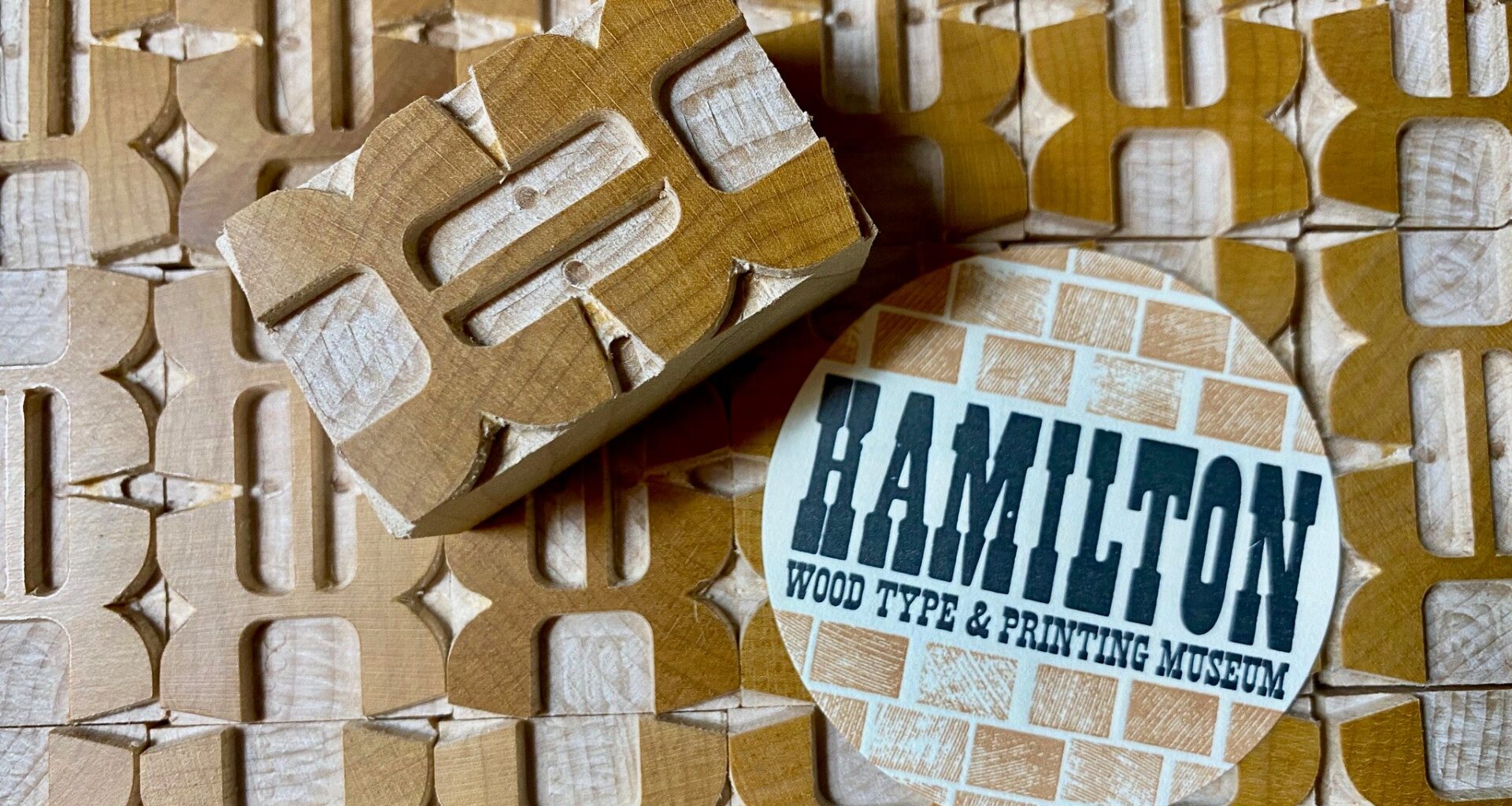
A museum in Two Rivers is facing backlash after it canceled artist residencies, with artists and a donor calling for more transparency and new leadership.
The Hamilton Wood Type & Printing Museum says it’s the only museum dedicated to the preservation, study, production and printing of wood type. The museum also hosts a visiting artists program that showcases printers who’ve made significant contributions to the letterpress craft.
Earlier this year, the museum unexpectedly canceled artist residencies. The museum said the cancellations were related to a leadership transition, requiring the board to manage day-to-day operations while a new executive director was sought.
News with a little more humanity
WPR’s “Wisconsin Today” newsletter keeps you connected to the state you love without feeling overwhelmed. No paywall. No agenda. No corporate filter.
But the museum has since found a new executive director and critics say their concerns have continued to go unaddressed. Hamilton Wood Type and the museum’s board president declined an interview for this story.
“We are aware of others’ efforts to look back and, while we respect those individuals’ and groups’ rights to voice their opinions, we also need to forge ahead in our important work,” a Nov. 1 statement from Executive Director Beth Kowalski reads.
The statement came after the Windgate Foundation, which has supported the Hamilton museum for 20 years and currently provides more than $414,000 to the museum through an endowment, sent a letter in mid-October calling for new leadership.
Windgate Foundation Executive Director Patricia Forgy wrote the controversy over canceled programming had “become a full-blown crisis” that led to a loss of around 25 percent of the museum’s earned revenue.
“This trajectory is not sustainable,” the letter reads. “We are also increasingly concerned about the lack of transparency.”
Forgy said the foundation would withhold future endowment payments until the executive committee members resign, there’s a clear plan to restore canceled programming and a commitment to bring in board members from underrepresented groups.
“These steps are imperative to allow the Museum to recover and continue its important role in the printing community,” the letter reads.
In a statement responding to questions about the foundation’s letter, Kowalski said the museum is thankful for Windgate’s support.
“As to questions being raised by some, the Museum remains confident in its legal and financial position as we further our mission to provide critical preservation of our collections,” the emailed statement reads.
In early August, the museum canceled artist IBé Crawley’s residency with about a week’s notice, according to Desiree Aspiras and Jenn Graves, print art community members who launched a website and petition in response to concerns about the museum’s actions.
In a video posted to Instagram, Crawley said the only explanation she received for the cancellation was “that they were reevaluating their initiatives.”
“I asked to speak to the president of the board or any of the board members, just to get a better understanding of why my residency was canceled,” she said in the video. “I was told that they did not want to speak to me. At that time, I asked if I could pay the $100 daily fee in order to be able to print there, and I was told that I could not print there at all.”
Crawley did not respond to a request for comment.
Graves and Aspiras described Crawley’s canceled residency as a “tipping point” that started a wider community conversation. They said there had also been cancellations of other Black artists’ residencies and planned exhibits.
“These things didn’t just happen overnight. They’ve been going on for quite some time,” Graves said. “That’s when it became more public. I think people knew there were issues that they weren’t being talked about publicly until then.”
In September, Crawley and Graves attended a Zoom meeting with board President Tracy Honn. During the meeting, Crawley asked that the museum continue its residency program aimed at artists who are Black, Indigenous or women of color.
“The conversation went nowhere,” Graves said.
Julie Chen, a book artist and University of Wisconsin art professor who previously had a residency at Hamilton, said she attended a different meeting via Zoom with Honn in late August to discuss the issue. She described it as a “very unsatisfying meeting.”
“Tracy was not really willing or able — it was hard to tell which — to give us hardly any information about the cancellation,” Chen said. “It didn’t seem to us like she felt like this was an important issue. After that meeting, the community started to mobilize.”
Multiple presenters pulled out of the museum’s annual Wayzgoose fundraiser program and registered attendees asked for refunds in late August and early September, according to Graves and Aspiras. Hamilton Wood Type ended up canceling this year’s Wayzgoose event.
A petition campaign that began in late September is calling for the resignation of the museum’s board of directors and executive committee. Organizers also began a postcard campaign asking Hamilton’s largest funder, the Reva and David Logan Foundation, to intervene.
Wisconsin Public Radio, © Copyright 2025, Board of Regents of the University of Wisconsin System and Wisconsin Educational Communications Board.