
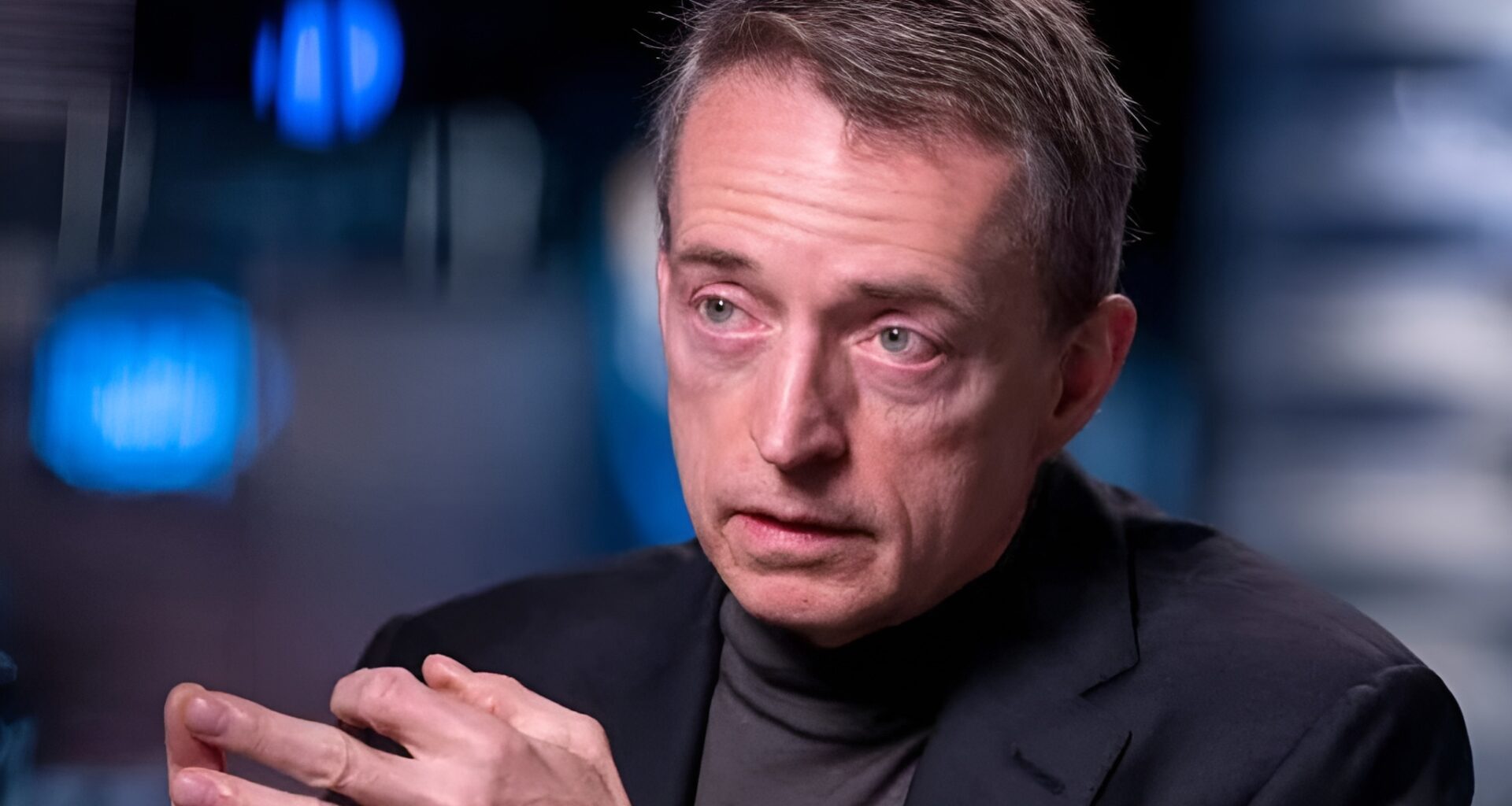
Intel’s former CEO, Pat Gelsinger, has made some interesting claims about when the AI frenzy will end, suggesting that a “quantum breakthrough” will burst the bubble.
Intel’s Ex-CEO Dives Into How His Tenure Was Troubled With ‘Lack of Discipline’ Within the Company
Pat Gelsinger is indeed a ‘one-of-a-kind’ personality, as evidenced by his tenure at Intel, where he made several interesting statements concerning the AI hype and the high cost of NVIDIA’s AI chips. Now, in an interview with the Financial Times, Gelsinger was asked about the advantages of quantum computing for the world, to which he claimed that quantum is the “holy trinity” of the computing world, alongside classical and AI computing. Intel’s former CEO claims that quantum computers will become mainstream much more quickly, claiming that it would mark the end of GPUs.
Nvidia’s Jensen Huang has said it will take two decades for quantum to go mainstream. Gelsinger thinks two years. Whoever is right, “we’re heading into the most thrilling decade or two for technologists.” He doesn’t see the AI bubble popping for another couple of years, but thinks a quantum breakthrough could trip it.
He’s convinced the currently dominant chips — graphics processing units — will start getting displaced by the end of the decade.
– The Financial Times
The interview taken by FT’s correspondent Michael Acton is actually pretty interesting, and dives into several other matters important in the life of Pat Gelsinger, but one of the more surprisng statements made by him was the fact that he actually related the Microsoft-OpenAI partnership to what “Bill Gates did with IBM” back in the 1990s, implying that OpenAI is just the ‘distribution partner’ for AI models backed by the computation Microsoft provides.
After his Intel role, Gelsinger has been a key part of the venture firm Playground Global, through which he has gained immense exposure to the quantum computing world. This exposure has led him to believe that classical and AI computation will become outdated when ‘qubits’ enter the scene. Anyways, we won’t challenge his statement for now, but one of the interview bits that I felt important to mention is that Intel’s former CEO claimed that his company lost “basic discipline” when he took over the office, which is one of the reasons why the firm witnessed massive delays with crucial products like the 18A.


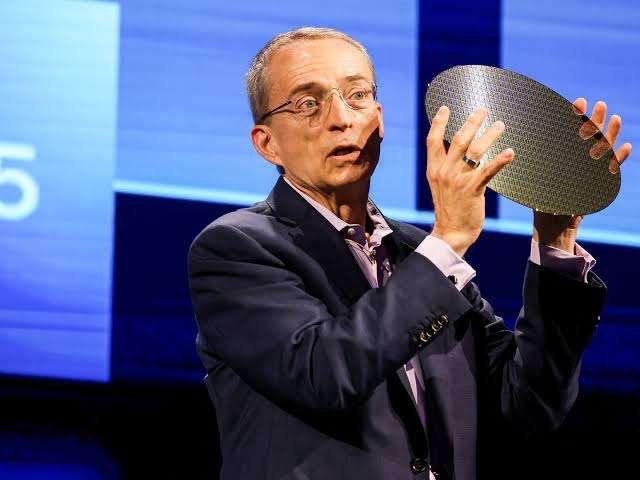 Intel’s former CEO Pat Gelsinger
He speaks of a “decay . . . deeper and harder than I’d realised”. In the five years before he returned, “not a single product was delivered on schedule”. “Basic disciplines” had been lost. “It’s like, wow, we don’t know how to engineer anymore!” It then took “a bit longer” than expected for Intel to crack its 18A manufacturing technology, critical for showing it could go toe-to-toe with TSMC.
We have discussed how 18A and other projects evolved under the Gelsinger era, but this is one of the first times Intel’s former CEO has spoken about his company being completely ‘blindsided’ on the ongoing developments. He discusses how he promised higher management to deliver 18A within a five-year timeline. However, he was fired before he could provide the product, and ultimately, the new CEO, Lip-Bu Tan, pulled the plug on 18A, within the five-year timeline.
Follow Wccftech on Google to get more of our news coverage in your feeds.