

This year’s Pulse Check had a different tone. The message of the report itself has shifted, and it’s very noticeable. Last year’s version read like a nudge: please lift your game on retirement. This year, it reads as a line in the sand.
Loading
ASIC has moved beyond its earlier emphasis on pushing funds towards giving members better advice and is now clearly signalling something more fundamental: members need to be offered better information and education, better tools, better communication, and better support long before they reach the advice funnel.
In other words, the regulator has lifted its gaze to what members actually experience – not what super funds write in their strategy documents or can make a fee from offering as a service.
When I put this to Simone Constant, the ASIC commissioner responsible for superannuation, she confirmed the shift was deliberate. This year’s Pulse Check wasn’t just about measuring progress; it was about resetting expectations for the whole industry.
“Funds are now expected to embed retirement at the centre of their purpose, understand their member cohorts properly and lift the quality of support they offer,” Constant told me. “The goal is to ensure members can have confident and informed participation in their retirement.”
That phrase didn’t appear accidentally – it signals a new phase in how Australia’s regulators expect funds to behave.
And that means we, everyday people, should expect our funds to deliver on retirement-related services now and into the future. And if they don’t, we should consider moving to a fund that does.
The retirement income covenant became law on July 1, 2022. It requires super funds to have a proper retirement income strategy for members approaching and in retirement – not just to sell an account-based pension and hope you figure out the rest. It is meant to guide everything a fund does for members as they transition into the most complex financial stage of their lives.
”This isn’t just member expectation – it’s the law,” Constant said. “The retirement income covenant has been in place for 3½ years. Trustees need to embed retirement at the heart of their purpose. Your members are your customers – engage them on that basis. Look after them first – that’s the duty the law requires.”
Constant is clear that the shortfalls aren’t confined to small funds or obscure players. ASIC sees laggards across the board in funds big and small, industry and retail, new and old. And the subtext is hard to miss: retirement isn’t an optional service line.
It’s the core purpose of the system. And trustees cannot ignore educating, supporting and servicing their retired members well simply because it is difficult, messy or expensive to build those services properly.
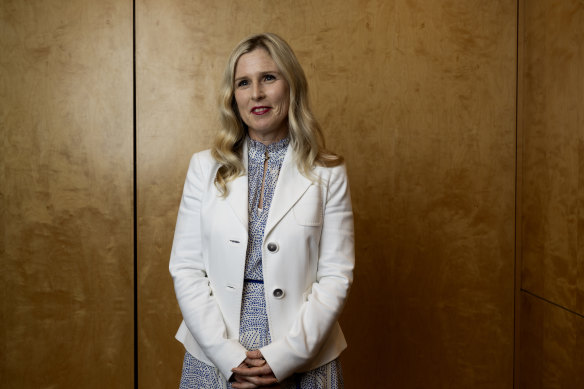
ASIC commissioner Simone Constant.Credit: Louise Kennerley
What does this mean for those approaching retirement?
Most Australians (even those approaching retirement) don’t yet realise how much this matters. We don’t think about our super fund until we need to retire or step up to contribute more funds in our fifties.
And we don’t know there’s a problem until something goes wrong – a bad call-centre experience, a crappy advice experience, a confusing process to open our retirement account, or a scramble to understand the age pension only to find no useful information is available. Only then do we start to wonder whether we’re with a proactive or less proactive fund.
But we need to start paying a lot more attention. Super funds aren’t just holding your money. They’re shaping how you’ll use it, influencing the decisions you make, and ultimately determining the quality of the income you’ll live on for the last 20 or 30 years of your life.
It’s time that more Australians acted like customers, not passengers, and expected more from the organisations being paid to deliver good retirements.
How to tell if your fund is one of the laggards
1. Does your fund actually know you? Funds with strong data and decent segmentation speak differently to a 27-year-old, a 57-year-old and a 67-year-old. Laggards still blast one generic message to everyone. If your fund doesn’t seem to “know” where you are in life, that’s a sign they’re not keeping up.
2. Do they give you retirement tools that are genuinely useful? The leaders in the market offer interactive retirement income modelling tools, calculators and digital journeys that help you see what your retirement income might look like.
Loading
The laggards still expect you to download a PDF and call a helpline. If the tools feel outdated or confusing, your fund is probably not ready for your retirement.
3. Do they help you before you need formal advice? Good funds will keenly offer you good quality education, webinars, explainer videos and layered guidance well before you step into a costly advice process.
They’re not trying to bait you into advice as their only path to retirement knowledge. They should be encouraging you to learn about retirement. If your fund’s only answer is “you’ll need advice”, that should raise an eyebrow.
4. Is their retirement communication clear, simple and inclusive? ASIC’s review found zero trustees had specific retirement communications for vulnerable members. Zero. If your fund can produce a glossy ad campaign but not a plain-English retirement guide – or anything tailored to real member needs – that’s a red flag.
5. Can you easily reach someone when you’re six to 12 months from retirement? A retirement ready fund has clear retirement contact phone numbers, reasonable wait times, and a defined process to get you set up with a retirement account.
If you can’t find the right number on the website, or the queue is 90 minutes long, you’re not in a fund preparing for the retirement wave. You’re in a fund hoping you won’t notice.
Bec Wilson is author of the bestseller How to Have an Epic Retirement and the newly released Prime Time: 27 Lessons for the New Midlife. She writes a weekly newsletter at epicretirement.net and hosts the Prime Time podcast.
Advice given in this article is general in nature and is not intended to influence readers’ decisions about investing or financial products. They should always seek their own professional advice that considers their own personal circumstances before making financial decisions.