
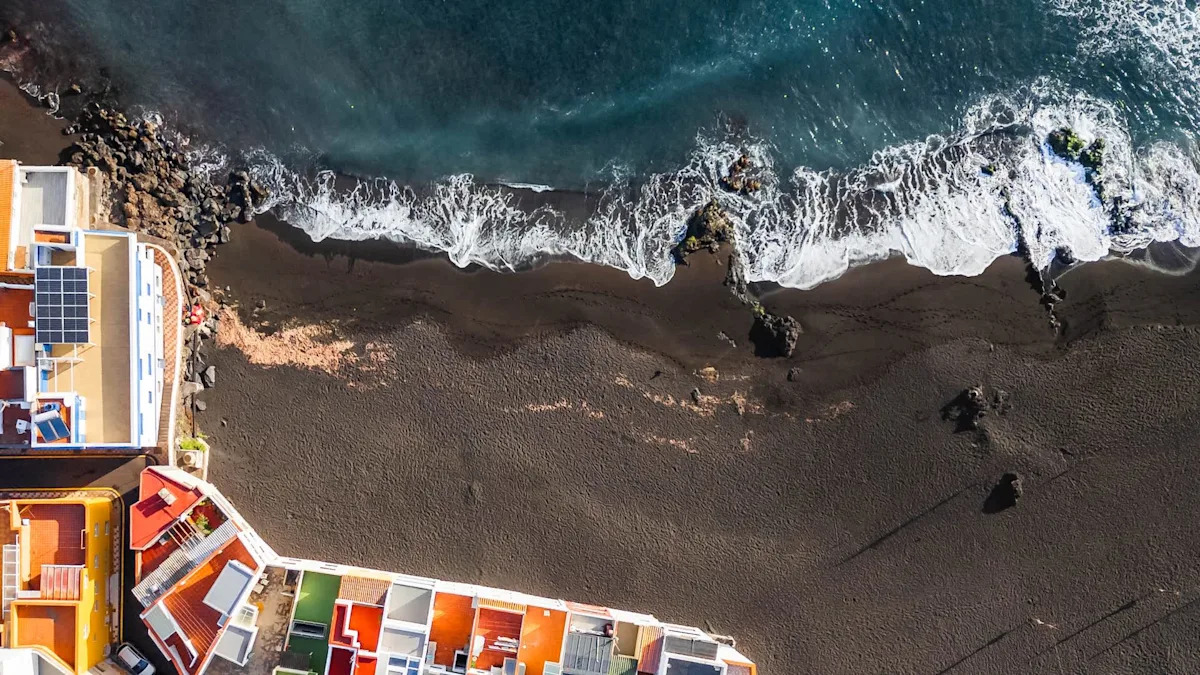
An invasive crustacean is clawing its way into new territory in the Canary Islands — posing a serious threat to local ecosystems and raising environmental alarms.
According to Canarian Weekly, a resident of Fuerteventura spotted an Atlantic blue crab in Los Molinos and alerted authorities. Environmental experts quickly warned about the threat, and for good reason.
What’s happening?
The animal was identified by aquaculture technician Alejandro Cabrera, and officials placed the sighting under the Early Detection Network for Exotic Species, which monitors, controls, and, when necessary, eradicates invaders in the archipelago.
This blue crab, Callinectes sapidus, is dangerous to native marine life. It behaves aggressively, spreads quickly in new waters, and competes with local species for food and habitat.
It has already caused serious ecological damage in some parts of the Mediterranean. If the species establishes a breeding population in the Canary Islands, it could disrupt local marine ecosystems and threaten local fisheries.
Why is this concerning?
Invasive species like the blue crab thrive at the expense of native wildlife. They compete for limited resources and, often, alter entire ecosystems.
Take, for example, the island of Redonda, which also happens to be in the Caribbean. When humans first started coming into the island, invasive rats and goats came along with them, negatively affecting local flora and fauna. It was only after these invaders were removed that the island’s plant biomass began to flourish anew.
Even urban areas suffer from these invasions. Aside from its problem with rat infestation, New York is also under siege by lanternflies covering park trees and destroying other plants.
These issues have far broader repercussions. When non-native species spread unchecked, biodiversity loss accelerates, weakening natural defenses against diseases and threatening food security, the United Nations reported.
This is why early action and sustainable practices are important in protecting and preserving native habitats.
What’s being done about the issue?
Local authorities and environmental groups are now monitoring the coast, setting traps, and educating residents on how to report sightings — steps meant to stop the crab before it establishes a population.
In other regions, programs advocate for responsible practices and careful handling to avoid the release of foreign animals or plants into local habitats that can harm native plants, insects, and other marine life. Meanwhile, outreach efforts highlight how invasive species spread and how early reporting can make a difference.
Safeguarding native ecosystems also supports local fisheries, food supply, and community health, underscoring how the fight against invasive species connects to broader efforts to protect biodiversity and strengthen coastal resilience.

��
Get TCD’s free newsletters for easy tips to save more, waste less, and make smarter choices — and earn up to $5,000 toward clean upgrades in TCD’s exclusive Rewards Club.