
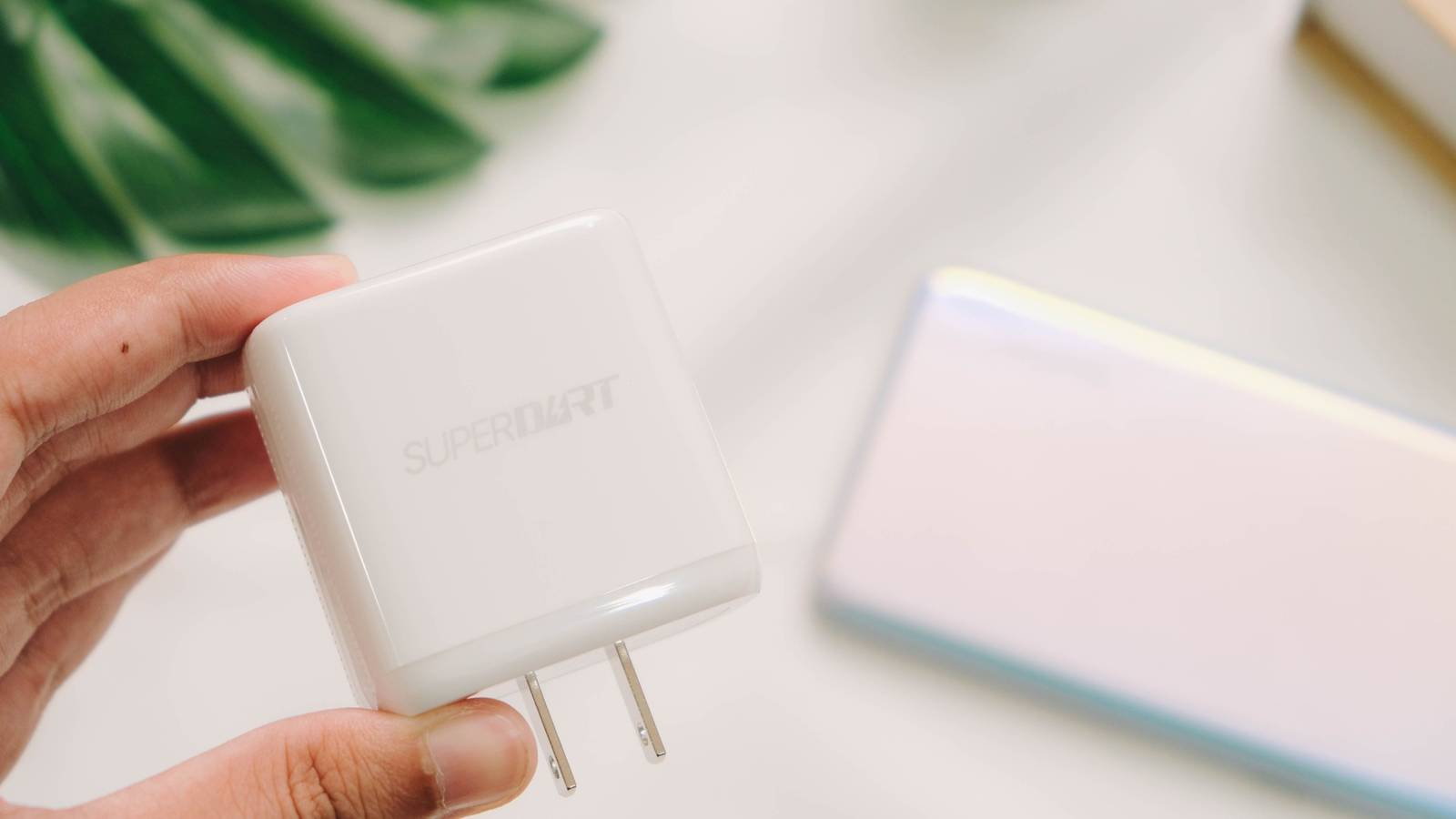
For the longest time, smartphone battery life was a real issue. I remember my first few smartphones basically traveling with me from charger to charger. They would charge at my desk, charge in my car, and charge next to my couch. While phone battery life is now much better, the real revolution has come from fast-charging.
Who cares if your battery only lasts half a day if it only takes 15 minutes to charge it back to 80%? Yes, fast-charging was a revolution, and phone makers keep pushing the limits. But, in that pursuit, they sometimes leave the cozy world of open charging standards behind.
Proprietary fast-charging is becoming a real hassle
For a certain subset of phone makers, fast-charging has become somewhat of an arms race. It’s a major selling point, so with each generation they like to make noise about how the charge rate of their phones has increased.
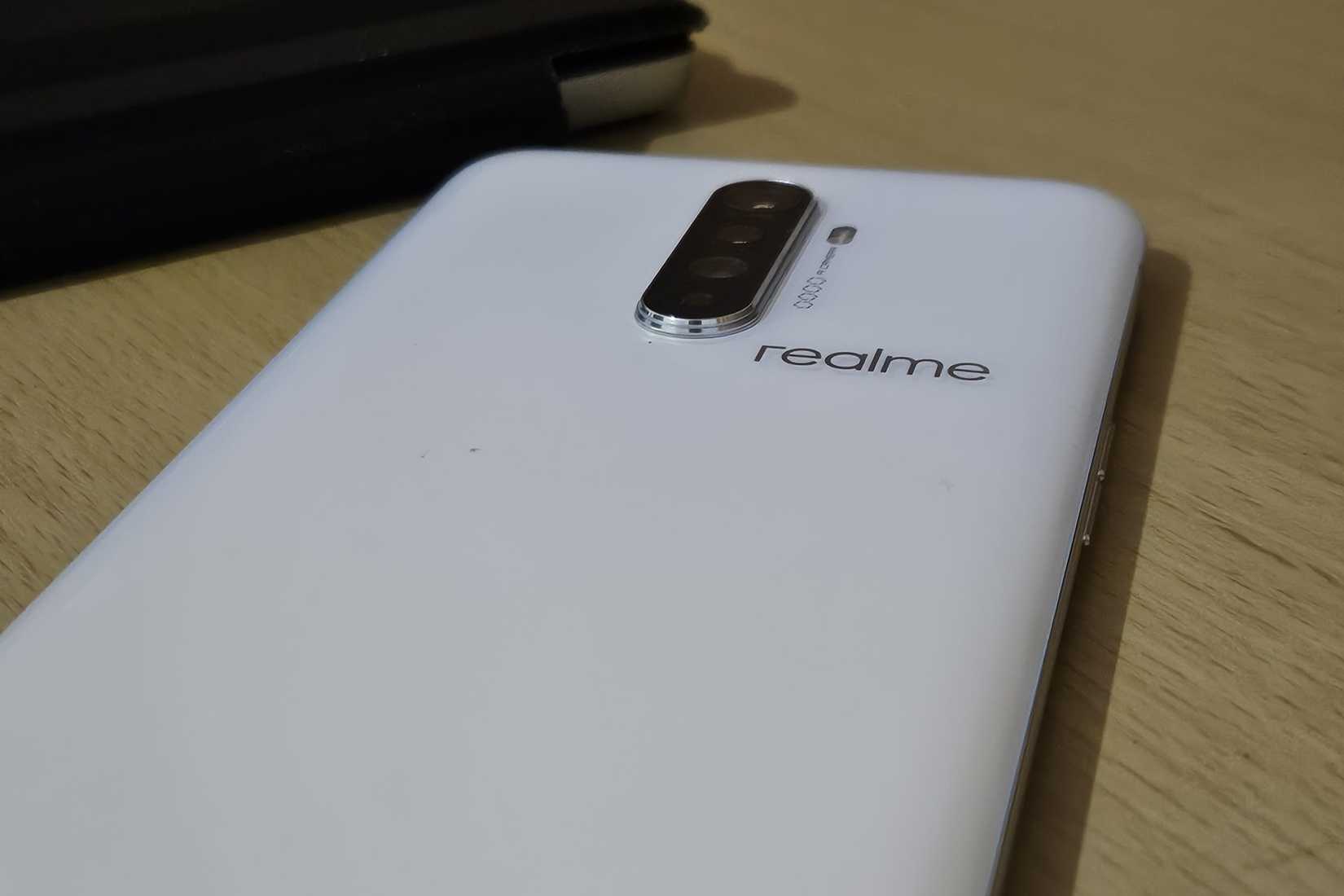
Credit: Ismar Hrnjicevic / How-To Geek
Usually they don’t achieve this using the open USB-C PD (Power Delivery) standard, but by using a proprietary charging system under names like “VOOC”, “SuperVOOC”, “Warp”, “SuperDart”, and so on. This means you have to use a similarly branded charger and cable. If you connect a USB-C PD cable, for example, it won’t charge at those rates even though technically both the charger and cable are capable of sending the requisite wattage.
The cable included with your phone that supports this proprietary standard might look like a normal USB cable and work like one too, but it’s likely to have non-standard wiring, electronics, and maybe even thicker cabling. Lose that cable and try to replace it with a standard USB cable, and you’ll see that charging rate slow to a crawl. If you want to charge at that speed wherever you go, you’ll have to either lug your wall-wart with you, or buy extra ones (which aren’t cheap) and install them at your usual spots—like at work.
USB-A bricks refuse to die—even on premium phones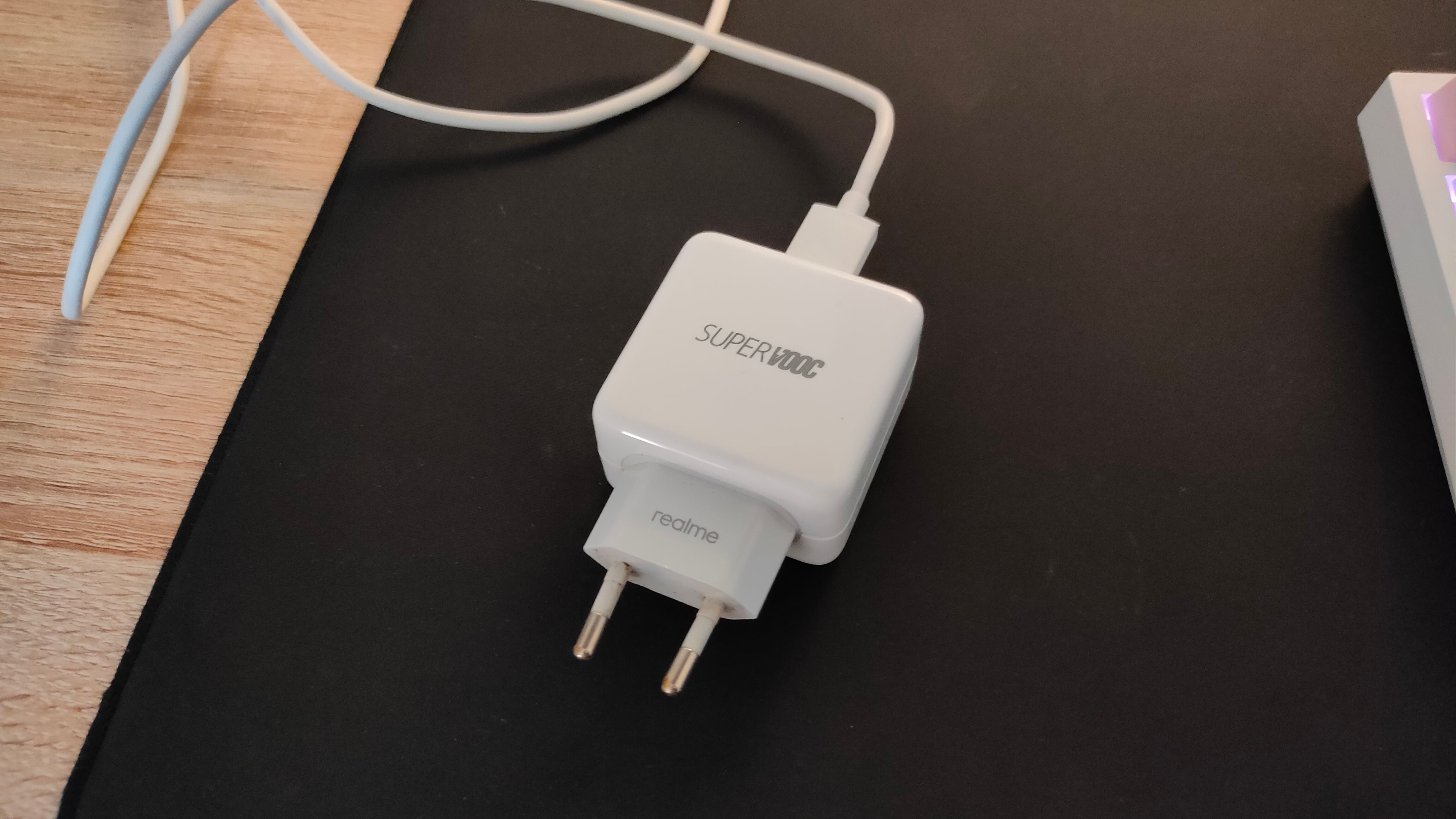
While most phones that use normal USB-C standards for faster charging have USB-C power bricks, these proprietary models tend to use USB-A to USB-C cables. I’ve written before that USB-C didn’t really solve anything after all, but part of the problem is that some manufacturers are incentivized to keep making USB-A accessories. This keeps the market fragmented, locks you into this charger style, and doesn’t give you access to modern USB-C power and data standards.
The reason this happens is that USB-A gives these manufacturers the scope to control charging, do custom handshakes, and make their solutions possible. It also breaks any hope of compatibility with USB-C PD with that cable or charger, because it’s a USB-C standard.
Replacement cables often don’t exist in the wild
If you’re buying a phone with proprietary charging from a relatively well-known brand, then it’s generally not that hard to get a replacement or additional chargers. However, if it’s for a charging technology from a small company, or one that only really applies to a handful of phone models, you might be in a pickle of something happening to that cable or brick.
Well, at least as far as fast charging goes, because you can always charge at slow fallback USB speeds, but if you bought a phone specifically for that fast-charging technology it seriously diminishes the value of the product, don’t you think?
A future where USB-C PD should fix this—if manufacturers let it
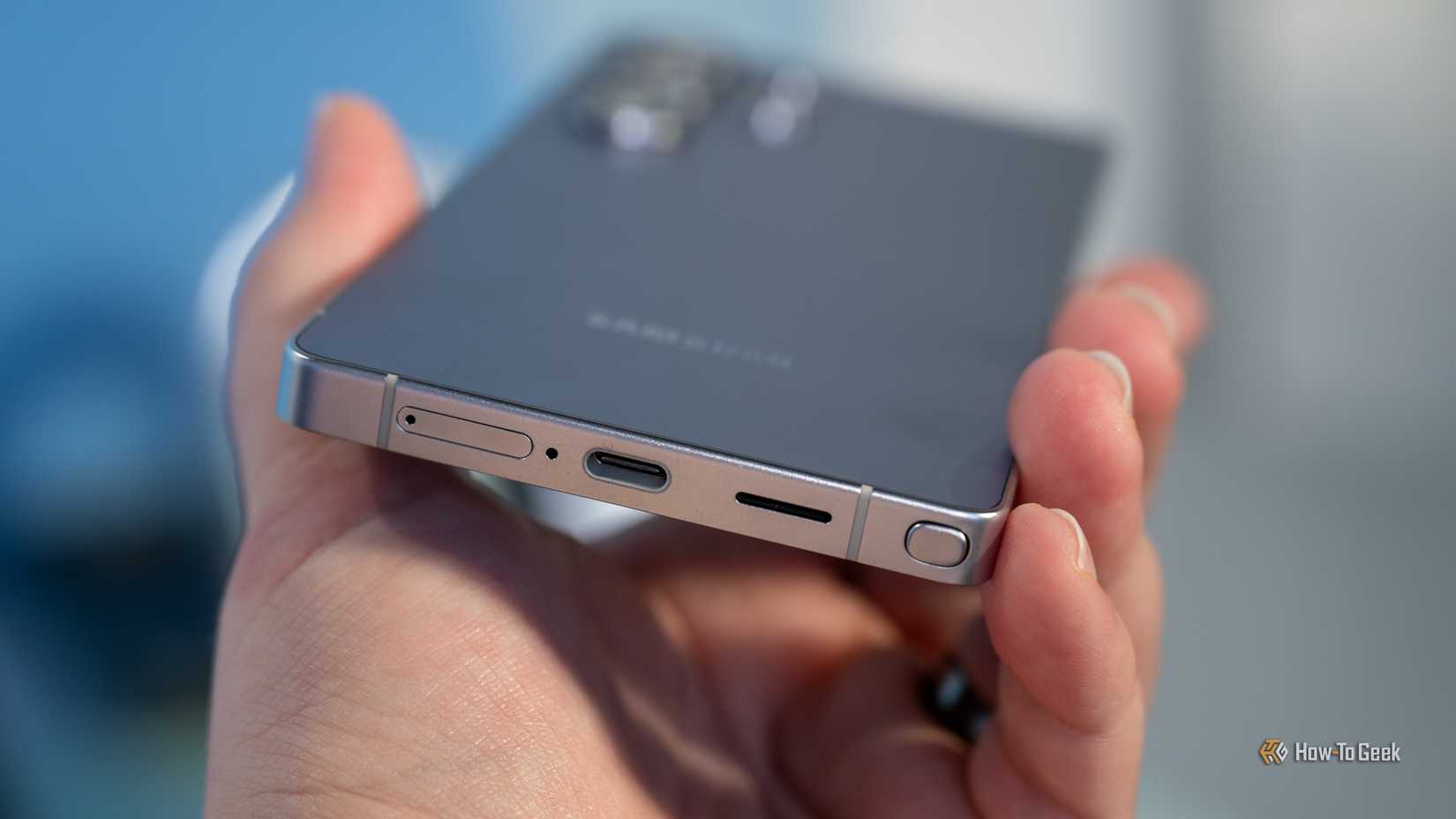
Credit: Justin Duino / How-To Geek
In 2019, Google started requiring USB-C PD support in new Android phones. So these new phones that have proprietary fast-charging systems do support USB-C PD in order to comply. However, the requirements don’t say the phone has to charge at a particular USB-C PD wattage, or that it has to be the fastest way to charge, or any of that. So if you plug in your phone using USB-C PD, it may charge at 15W, or 18W, but not at speeds like 45W or more.
The thing is, USB-C PD is more than capable of delivering the wattage these phones are pulling using proprietary systems. The latest standard tops out at 240W! Though that’s meant for laptops. For phones on the older standard, technically you could draw up to 100W, comfortably above the level of most proprietary standards.
So why comply with the letter but not the spirit of the USB-C PD requirement? Why keep making the proprietary stuff? For one thing, it means you have a locked secondary market selling cables and chargers. The other reason is that these companies often can’t compete in performance, software design, or general innovation and polish with phone giants like Samsung, so they’ll cling to any marketable gimmick they can. So for now, some of these phones will simply be stuck with weird charging cables.
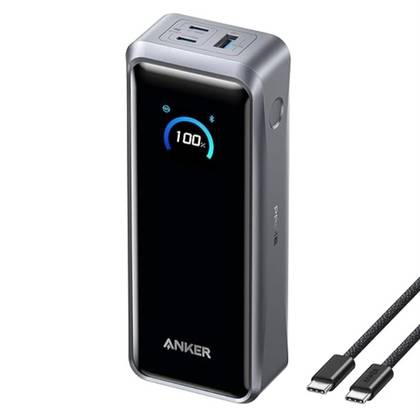

6/10
Brand
Anker
Weight
1.32 lb
Capacity
26,250mAh
Output
300W