
Refresh
2025-12-01T15:15:17.699Z
Life in the zone
And while we’re at it, mushrooms aren’t the only form of weird life thriving in Chernobyl’s exclusion zone — there are also worms that appear unscathed by the radiation; the feral descendants of pet dogs; and an endangered species of wild horse whose numbers have exploded.
If that sounds dangerous, only small parts of the zone are dangerous radiation hotspots, and tours through it ran frequently until Russia’s 2022 invasion of Ukraine.
2025-12-01T14:47:39.949Z
Chernobyl mushroom could be feeding on radiation

(Image credit: Getty)
Onto terrestrial radiation now, and there are intriguing reports doing the rounds that a fungus may be using the radiation in the Chernobyl exclusion zone as food.
The fungus is called Cladosporium sphaerospermum and the strange process it could be using to mop up Chernobyl’s radiation is called radiosynthesis, which deploys melanin to metabolise ionising radiation, the BBC reports.
The process of radiosynthesis remains hypothetical for the time being, but it could stand as a potential new foundation for life on Earth.
That means that instead of photosynthesis, the fungus may be thriving off the exploded fissile material of Ukraine’s dark star. (Chernobyl is Ukrainian for wormwood, a prophesied star in The Book Of Revelation that falls to Earth to poison the waters).
2025-12-01T13:44:21.297Z
Live Science roundup
2025-12-01T13:39:34.853Z
Solar flares corrupt airplanes
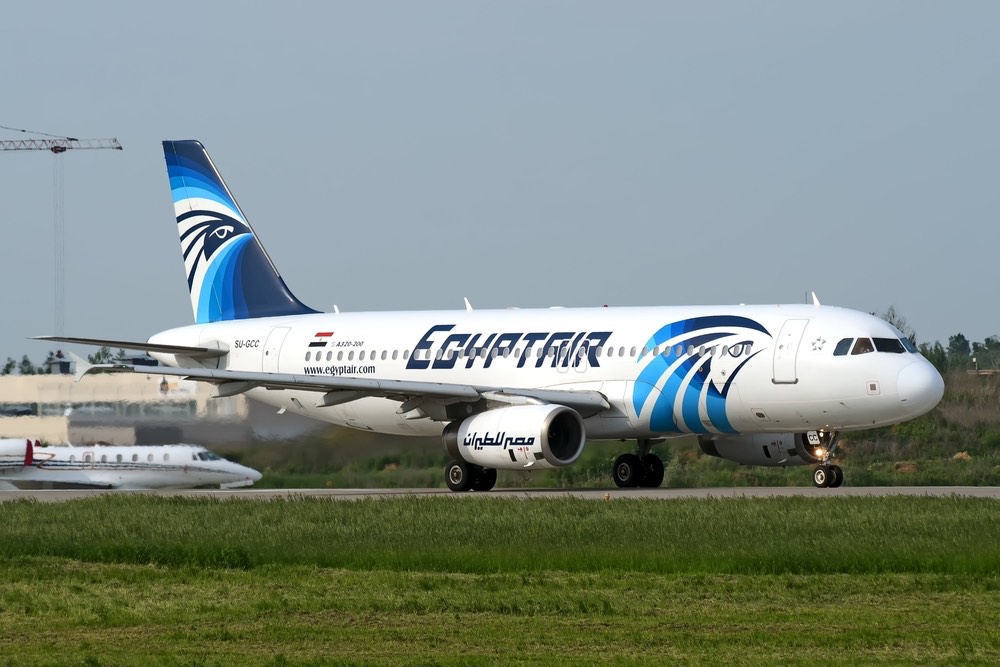
An Egyptair AIrbus A320 SU-GCC (Image credit: vaalaa / Shutterstock.com)
How much disruption can space weather really cause? Surprisingly, the answer is a lot — just ask Airbus.
Solar eruptions can grow to truly catastrophic scales, having the potential to wreak havoc on electrical systems and Earth-orbiting satellites.
Even aircraft aren’t immune from geomagnetic storms, as news broke over the weekend that aircraft manufacturer Airbus has recalled thousands of its A320 passenger jets owing to a fault that enabled intense solar radiation to “corrupt data critical to the functioning of flight controls”, Gizmodo reports.
The A320 is the most delivered jetliner in history, and the recall has severely impacted some airlines such as Colombia’s Avianca, which said the issue had affected 70% of its fleet.
And as solar activity continues to unexpectedly ramp up in its activity for the next few decades, the issues posed by it are only likely to get worse.
2025-12-01T12:36:03.184Z
Good morning, sunshine
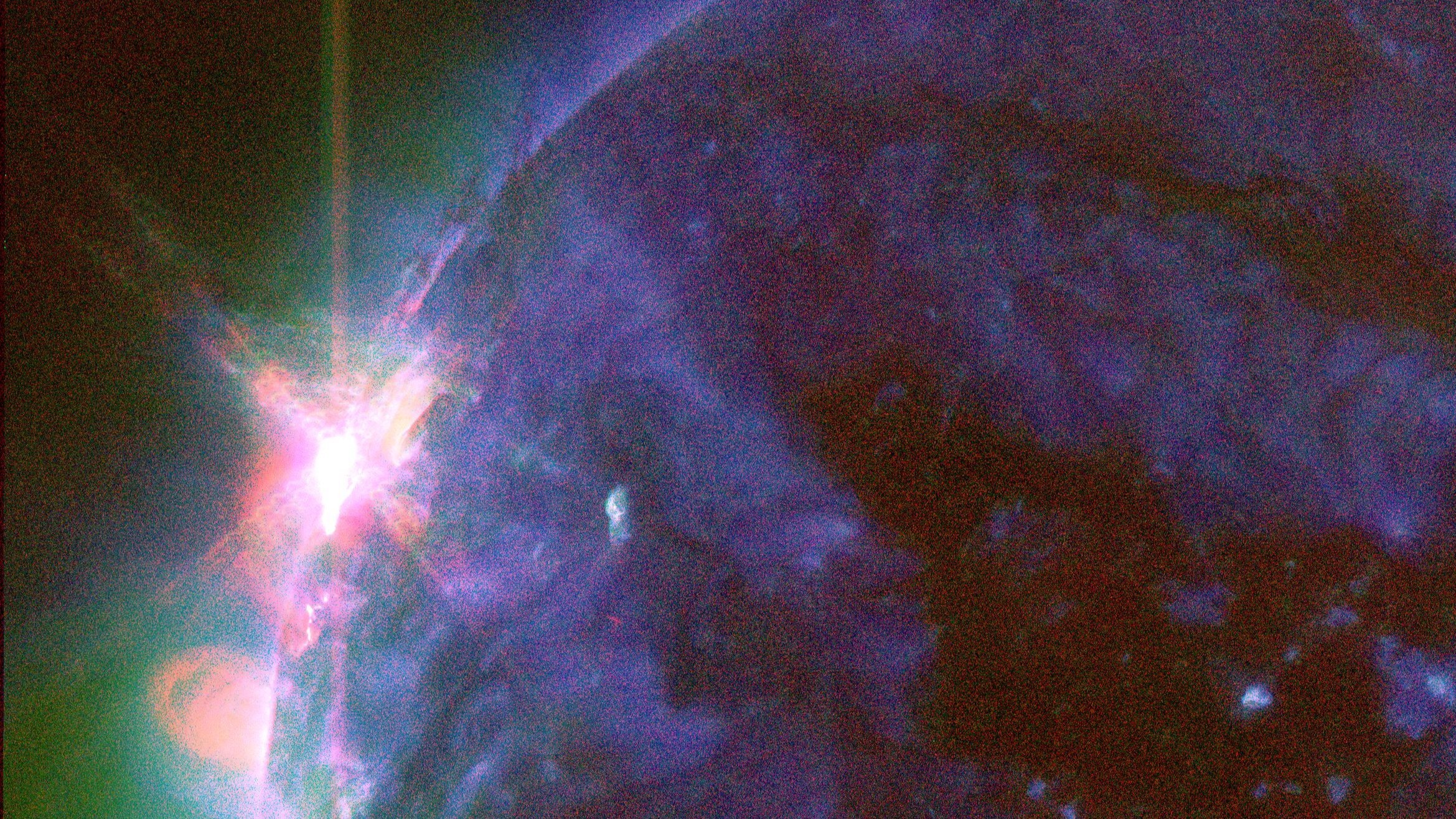
(Image credit: AIA/SDO/NASA)
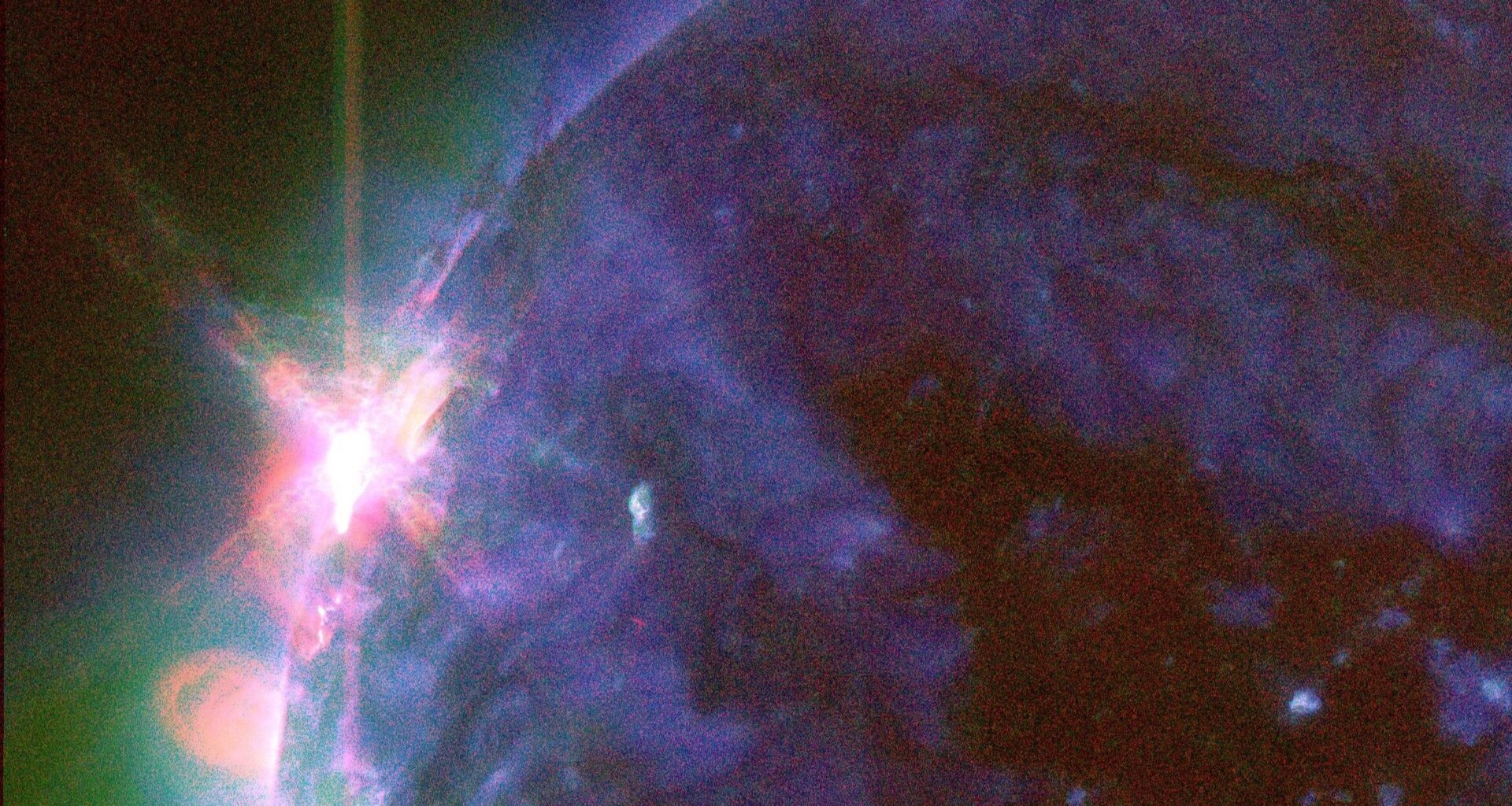
Welcome back, science fans. We’re here with news of fresh geomagnetic storms, as Earth was hit by one solar flare last night and many more — alongside a coronal mass ejection — appear to be in the offing.
Coronal mass ejections (CMEs) are large, fast-moving clouds of magnetized plasma that occasionally get spat out into space by the sun alongside solar flares — powerful explosions on our star’s surface triggered when solar magnetic loops snap in half like an overstretched elastic band.
Last night’s flare was a surprise, spaceweather.com reports, coming from a new sunspot on the sun’s northern surface that appeared to be harmless until it exploded. The flare ionized the Earth’s atmosphere and caused a radio blackout over Australia.
With multiple more sunspots appearing on the sun’s surface, it could be a busy week for solar storms, potentially bringing more disruption in space and auroras here on Earth.

Ben Turner
Acting Trending News Editor