
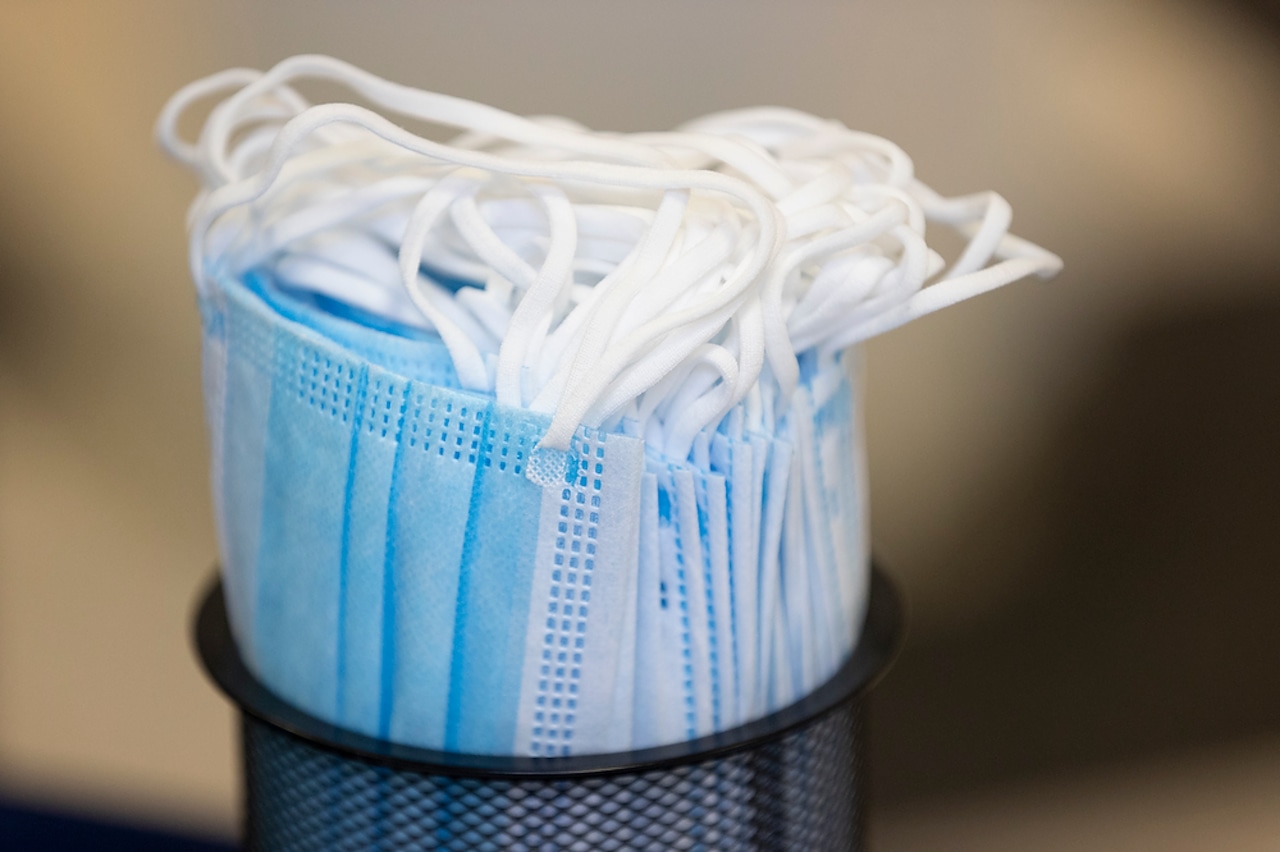
New Jersey hospitals are reinstating face mask requirements in response to the spread of respiratory viruses throughout the state.
Hackensack Meridian Health announced Monday that anyone visiting an admitted patient will be required to wear a face mask.
“Respiratory virus season is here,” the health network warned in an Instagram post. “To ensure the safety and health of our patients, team members and visitors, you will be asked to wear a mask when visiting an admitted patient at our facilities, effective December 1, 2025.”
Among the state’s largest hospital systems, Hackensack Meridian Health has 18 hospitals and more than 500 patient care locations, including ambulatory care centers, surgery centers, home health services, long-term care and assisted living communities, according to its website. The hospital system serves close to 2 million patients annually at its facilities.
RWJ Barnabas Health, which operates 14 hospitals throughout the state, also announced this week that it’s bringing back masking protocols. Starting Monday, RWJ inpatient facilities will require masks for:
Employees who provide direct care to patients.All patients when leaving their room.Visitors in the presence of patients.
Masking is also “strongly encouraged” for staff and visitors at RWJ outpatient and medical group facilities.
Other medical facilities across the state have policies stating that they reserve the right to require face masks when there’s an increase in respiratory illness in the community.
In recent weeks, New Jersey hospitals have reported an increase in admissions associated with COVID-19, influenza and RSV.
Although emergency department visits remain low for respiratory viruses, there continues to be increases in hospital admissions associated with COVID and influenza, according to the state’s latest respiratory illness surveillance report.
The majority of hospitalizations with influenza and COVID have been reported in ages 65 and older, while the majority of admissions with RSV have been reported in children 0-4 years old and adults 65 years and older.
Cases are expected to rise as holiday gatherings and cold weather drive people indoors, where germs can easily circulate.