
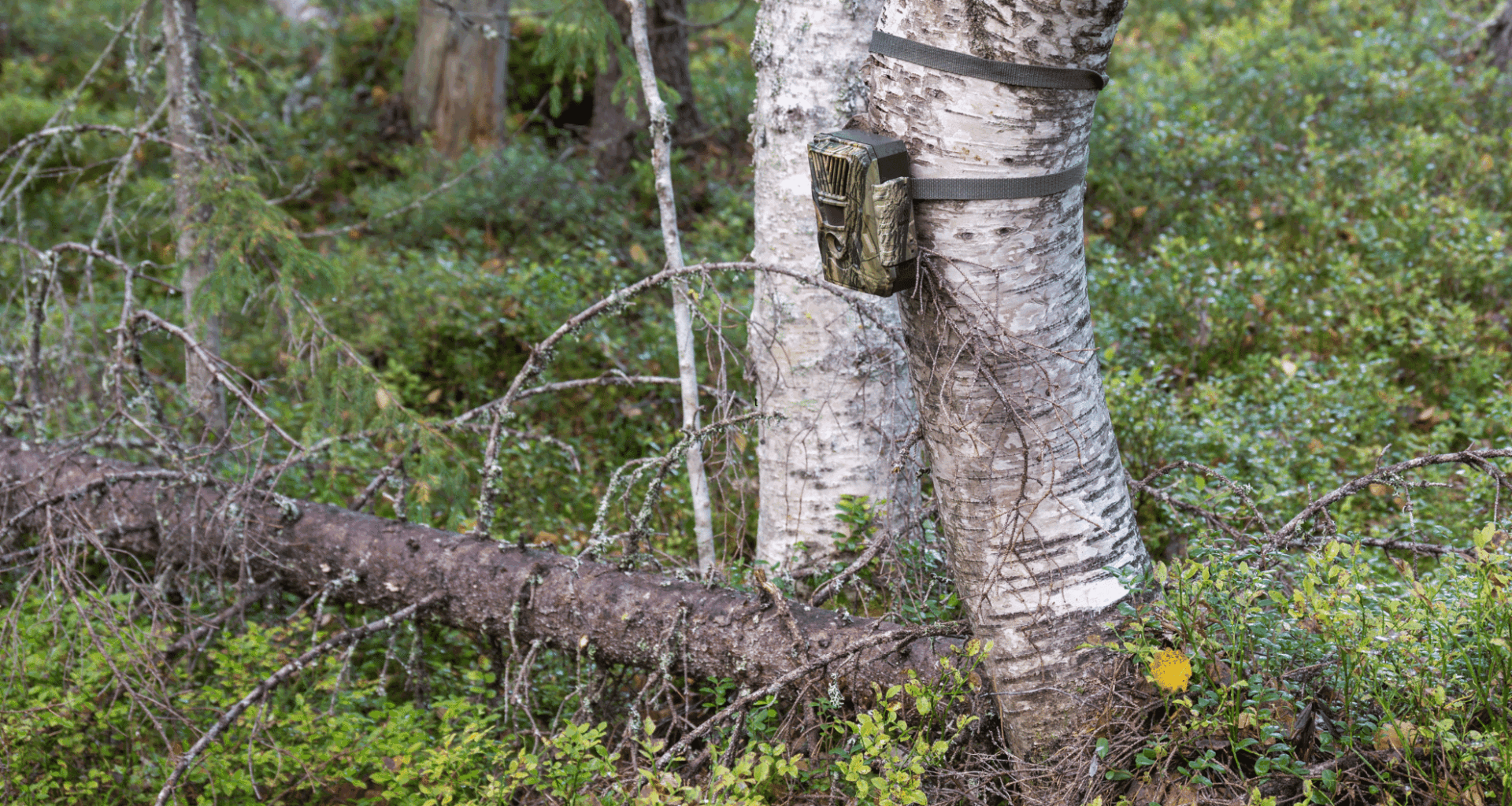
The natural world is filled with extraordinary moments, many of which go unnoticed until modern technology allows us to witness them firsthand. One such moment recently surfaced, thanks to the work of the Chik-Wuak Museum and Nature Center in Grand Marais, Minnesota. A trail camera set up by the center captured a rare and fascinating encounter between two Canada lynxes, a species listed as threatened under the Endangered Species Act.
Unveiling Rare Wildlife Behavior: The Chik-Wuak Museum and Nature Center’s Vital Role
The Chik-Wuak Museum and Nature Center has long been dedicated to the preservation and study of Minnesota’s wildlife. Through its conservation initiatives and innovative use of technology, such as trail cameras, the center has provided invaluable insights into the habits and behaviors of local species. In this recent footage, the two Canada lynxes, captured in a rare skirmish, offer a unique window into their world. These cameras are a powerful tool in tracking and understanding the behavior of animals that are often difficult to study due to their elusive nature.
The trail camera footage reveals two lynxes—whose presence on the trail has been regularly noted by Chik-Wuak staff—engaging in a brief but intense interaction. The sounds of growling and hissing fill the air, adding an element of mystery to the encounter. While the exact reason for the confrontation remains unclear, it’s evident that the lynxes were not in immediate danger of harm. The behavior observed could be part of territorial communication or a form of social interaction, both of which are important aspects of their ecology.
The Mystery of Lynx Communication: What the Footage Reveals About Their Social Behavior
One of the most captivating aspects of the trail camera footage is the vocalizations made by the two lynxes. These haunting sounds—growls and hisses—add an eerie dimension to the confrontation. Although they might sound threatening to an observer, these noises are not necessarily an indication of physical conflict. In fact, such vocalizations are common in lynx behavior and may serve a variety of purposes, from marking territory to communicating with other lynxes.
The Canada lynx is known for being a solitary creature, with a strong preference for isolation. However, encounters like the one captured on the trail camera suggest that they do communicate in ways that are not immediately obvious. While some might interpret the vocal exchange as a hostile interaction, it is equally possible that the lynxes were simply “talking” in their own way. This subtle aspect of their behavior underscores the complexity of their social dynamics and emphasizes the need for continued research into their ecological needs.