
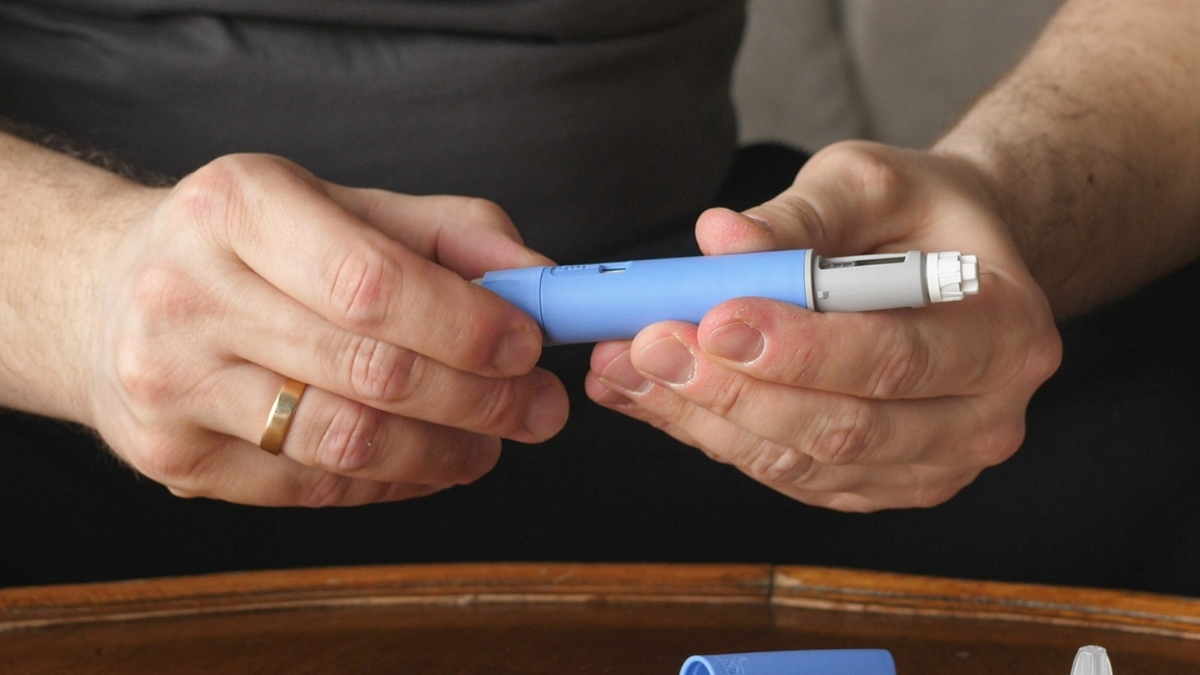
The rise of GLP-1 drugs such as Ozempic and Mounjaro has been nothing short of meteoric. Originally developed to treat diabetes, these drugs are now widely used for weight loss and have become household names.
But alongside headlines of dramatic transformations are reports of an increased risk of suicidal thoughts and unwanted pregnancies after contraception failures.
So what are the risks? And what should you do if you are taking these medicines?
Related: ‘Ozempic Babies’: Here’s Why Oral Contraceptives Might Be Failing
How do these drugs work?
Glucagon-like peptide-1 (GLP-1) drugs are medicines used to treat type 2 diabetes and obesity. They work by reducing blood sugar levels and reducing appetite.
Five medicines in this category are approved for use in Australia:
Mounjaro (tirzepatide)
Ozempic (semaglutide)
Wegovy (semaglutide)
Saxenda (liraglutide)
Trulicity (dulaglutide).
These drugs have been around for the past decade but rose in popularity in recent years, with the help of Hollywood celebrities.
The most common side effects of GLP-1 medicines are related to digestion: nausea, vomiting, diarrhoea, indigestion, stomach pain and constipation. These tend to be mild and either go away with time or become more tolerable.
But more concerning side effects have prompted Australia’s Therapeutic Goods Administration (TGA) to issue new warnings this week about suicidal thoughts and the lower effectiveness of oral contraceptives.
Risk of suicidal thoughts and behaviour
In the 12 months to November 2025, there were 20 cases of suicidal thoughts reported in the Australian Database of Adverse Events Notifications, which coincided with the use of a GLP-1 medicine.

This is consistent with published scientific data. A 2024 study found a link between GLP-1 medicines and a 106% increase in the risk of suicidal behaviour.
An analysis of World Health Organization data also found a link between semaglutide use and suicidal thoughts.
 Links between suicidal thoughts and GLP-1 drugs have been found in a number of studies, though others have found the opposite effect. (Karola G/Pexels/Canva)
But not all the evidence supports a link between GLP-1 drugs and suicidal thoughts.
A separate 2024 study analysed the data of more than 1.8 million patients who were taking the medicines for either weight loss or diabetes. It found a lower, not higher, risk of new or recurring suicidal thoughts when compared with patients who were not taking a GLP-1 medicine.
How can these drugs affect contraception?
Oral contraceptives work by using hormones to prevent the release of eggs from the ovaries and to thicken the cervical mucus. This latter effect makes it difficult for sperm to reach and fertilise an egg.
These effects are only triggered when pregnancy-related hormones are at a high enough level. If GLP-1 medicines affect how the body absorbs hormones in oral contraceptives, hormone levels may not reach concentrations high enough to prevent pregnancy.
Researchers first raised the potential for GLP-1 medicines to affect oral contraceptives in 2003.
The ability of GLP-1 medicines to affect oral contraceptives may vary between drugs. A review that examined the link between tirzepatide and oral contraception found that this specific drug had a higher impact on hormone absorption when compared with other GLP-1 drugs.
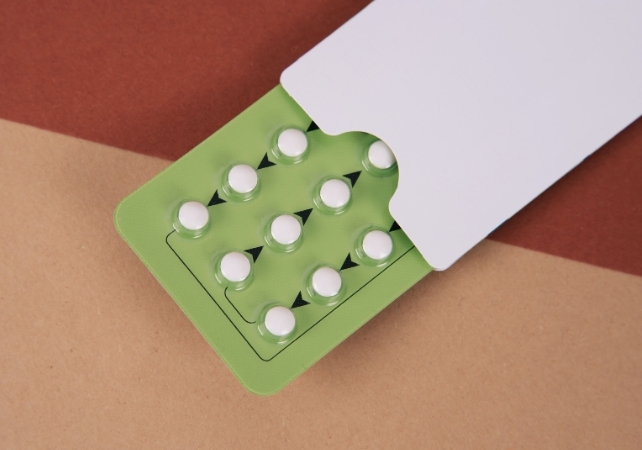 Some GLP-1 drugs may impact the absorption of hormones in oral contraceptive drugs. (Olga Niekrasova/The Olga Niekrasova Collection/Canva)
A study of semaglutide published in 2015 found the drug did not affect the amount of hormone that was absorbed into the body when patients were given the commonly used oral contraceptive pills ethinylestradiol or levonorgestrel.
But a more recent study in 2025 concluded that both tirzepatide and oral semaglutide were able to affect oral contraceptive hormone levels.
GLP-1 drugs should not affect the efficacy of IUDs or other long-acting (implanted) contraceptives, as they are not reliant on hormones being absorbed from the stomach.
I’m taking one of these drugs, what should I do?
The TGA recommends that if you’re taking GLP-1 medicines, you should tell your doctor if you experience new or worsening depression, suicidal thoughts, or any unusual changes in mood or behaviour.
For women taking the GLP-1 drug tirzepatide and oral contraceptives, the TGA advises either switching to a non-oral contraceptive (like an implant) or adding a barrier method of contraception for four weeks after first taking the GLP-1 medicine, or any time you increase the dose of tirzepatide.
A GLP-1 drug should not be used during pregnancy, as it may affect fetal growth. The adverse events database has also reported cases of miscarriages in women who were at the time taking semaglutide or tirzepatide.
Nial Wheate, Professor, School of Natural Sciences, Macquarie University
This article is republished from The Conversation under a Creative Commons license. Read the original article.
If this story has raised concerns or you need to talk to someone, please consult this list to find a 24/7 crisis hotline in your country, and reach out for help.