
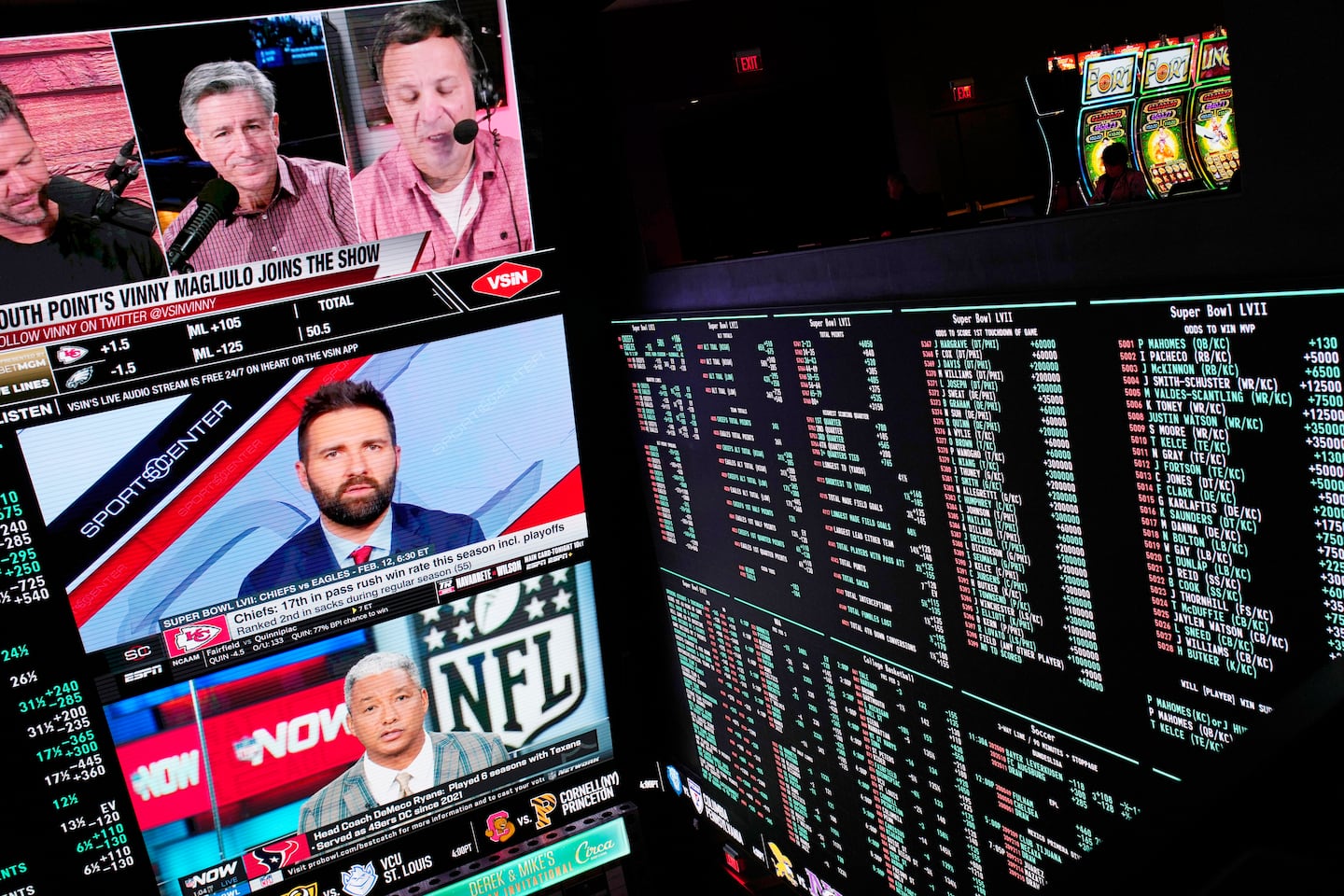
Two recent headline-grabbing scandals — one in the NBA that resulted in the arrests of a player and a coach, and one in MLB that resulted in two Guardians pitchers being charged — thrust the integrity of sports into the limelight and have fans wondering if every injury is fake or if a pitch in the dirt is intentional.
Get Starting Point
A guide through the most important stories of the morning, delivered Monday through Friday.
That cloud’s not going to chase itself away.
“I can understand why fans are pissed off,” said Jordan Maynard, chair of the Massachusetts Gaming Commission, the state agency charged with monitoring sports and casino gambling. “What I would say is that the legal market helped catch these issues. There’s now a certain deterrent factor.”
There’s no question that the integrity monitoring systems used by all the leagues work as intended to flag unusual betting patterns that correlate to specific suspicious actions by a player.
Maynard and the other four commissioners constantly have to balance concerns about addictive and underage gambling and sports integrity with the commercial interests of a state-approved industry that has through September collected more than $339 million in tax revenues and assessments since sports betting launched in the first quarter of 2023.
Asked if the state is considering more stringent restrictions or even outright banning of proposition bets, Maynard echoed the arguments of the sports betting industry and leagues about the downside of banning prop bets while keeping the door open to a significant curtailment.
“To just outright ban [prop bets] based on these instances I think would potentially create some issues of driving people out of the regulated market,” said Maynard, who also noted that “anything the leagues are doing is an improvement over what they were doing before these situations broke.”
Legislators at the State House are considering a bill that, among other sports betting reforms, would ban in-game prop bets.
Before the most recent batch of scandals, Maynard said the commission’s sports wagering division already had begun considering if any of its allowed wagers needed to be reconsidered.
Maynard also said the commission is watching what is happening with New York regulators.
After MLB announced last month that it would limit prop bets on pitches to $200 and exclude those types of bets from parlays, Brian O’Dwyer, chair of the New York State Gaming Commission, said the state will investigate the vulnerability and viability of prop bets.
“If we believe any wager is susceptible to manipulation, we will eliminate it, not restrict its offering,” said O’Dwyer. “The problem may be proposition betting, inherent by its very nature, is more susceptible to manipulation than betting on an outcome or a team as a whole.
“While limiting exposure is a good step, it may not be enough. It is not enough.”
To baseball commissioner Rob Manfred, the steps taken are enough for now.
He described them at last month’s owners’ meetings in New York as a “really, really significant change that should reduce the incentive for anyone to be involved in an inappropriate way.”
Asked if the league is considering banning prop bets, Manfred said, “We think the changes that we’ve made strike the right balance.”
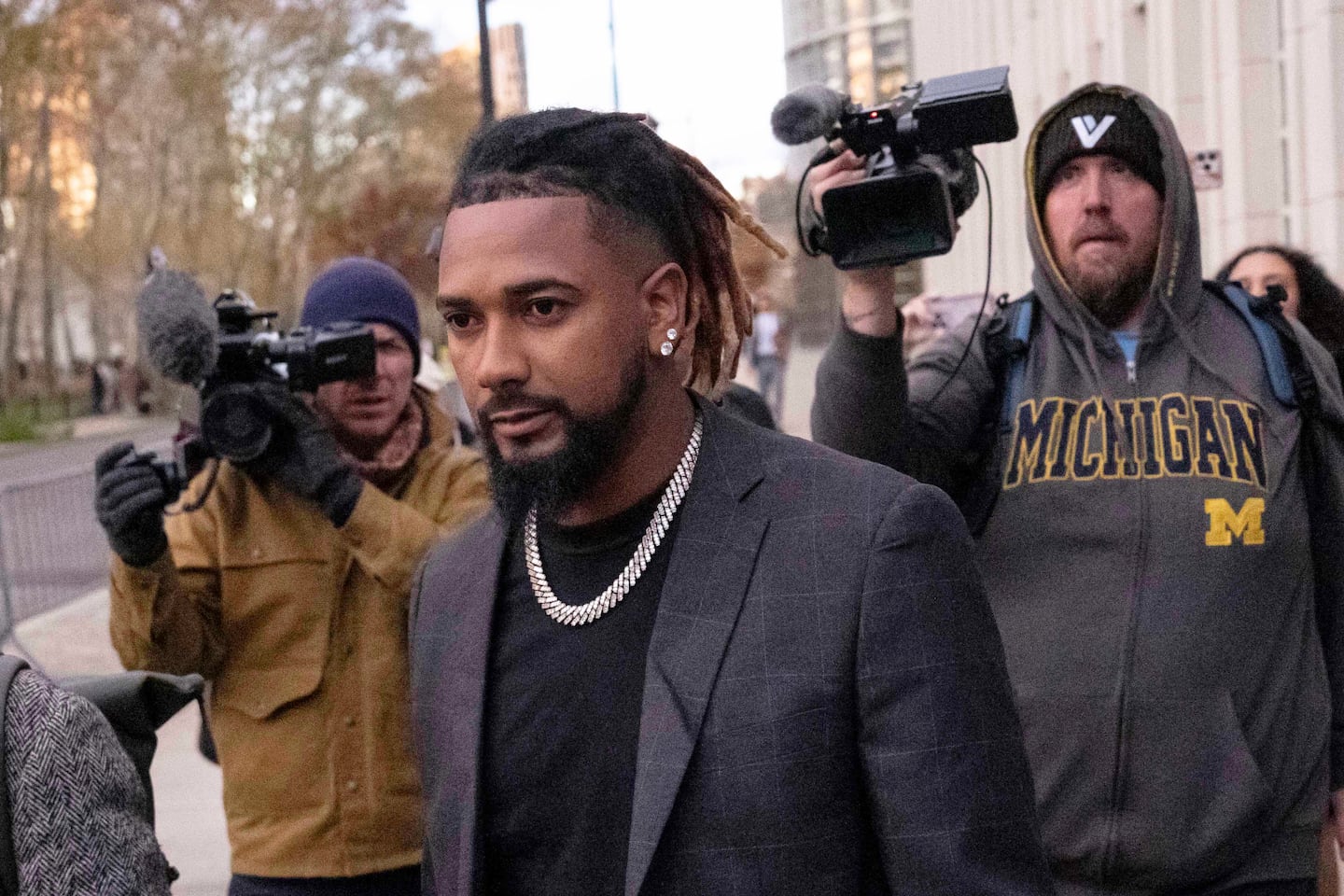 Emmanuel Clase was one of two Guardians pitchers indicted on federal charges of wire fraud, conspiracy to influence sporting contests by bribery, and money laundering.Yuki Iwamura/Associated Press
The American Gaming Association, the national trade group for the gambling industry, applauded the changes made by MLB. The group has no doubt that banning prop bets would backfire, in large part because of how popular the bets are with the betting public that enjoys “placing bets on their favorite athletes to do really tremendous things,” said Joe Maloney, senior vice president of communications. “Blanket prohibitions won’t take away that activity. Prohibitions just move that stuff into the shadows.”
The Sports Betting Alliance, made up of sports betting operators that includes Boston-based DraftKings, struck the same cautionary note.
“If protecting the integrity of sports and safeguarding consumers is the goal, then keeping prop bets on the legal regulated market is the only effective path forward,” said SBA spokesperson Conor Yunits in an email.
In the aftermath of the Terry Rozier and Guardians cases last month, an “NFL Sports Betting Update” memorandum sent to the 32 teams made its way into the media to send a reminder of how much of a risk prop bets pose to the league.
“Our highest priority has been protecting the integrity of the game,” read the memo in part. “From the earliest days of legal sports betting, we have recognized the particular risks associated with prop bets and the corrosive effect they have on fan perceptions, league reputation, and the safety of players, club staff, and game officials.”
Asked about the issue, the NHL referenced remarks made by commissioner Gary Bettman on the “32 Thoughts” podcast in which he, in part, gave the impression that the sport was insulated from trouble.
“If you look at the nature of our game, it’s not really susceptible to outside influences and our players play hard and play to win every night,” said Bettman.
“Our vigilance and the importance of the integrity of the games is something that is a daily task for all of us and something that I have complete confidence in.”
The NBA is facing a congressional inquiry. According to ESPN, the league is investigating its injury-reporting policies — the 76ers were just fined $100,000 for inaccurately reporting on the game availability of Joel Embiid — and The Athletic reported that the league has asked multiple teams to hand over documents, cellphones, and cellphone records.
Since becoming legal in 2018, sports bettors have placed close to $600 billion in wagers, generated $51.3 billion in revenues for sports betting operators, and placed more than $10 billion in tax revenues in state coffers, according to Legal Sports Report.
That money flow drowns out the drip, drip, drip of sports betting scandals.
Marc Edelman, professor of law at City University of New York’s Baruch College, believes it’s wishful thinking to believe that leagues, never mind sports gambling operators, can be counted upon to take meaningful action to reduce the threats to sports integrity.
“The decision that the sports leagues are taking is one that amounts to whack-a-mole that as a problem is emerging, they’re taking the minimal steps to address them,” said Edelman. “The professional sports leagues made the decision that the benefit of making revenue through selling advertisements and data to sports gambling companies was greater to them than the risk of monetary and reputational harm that could emanate from another sports betting scandal.
“At the end of the day, the decision that was made by the team owners in the sports leagues came down to expected return in dollars and cents more than issues of integrity and sanctity of the game.”
Michael Silverman can be reached at michael.silverman@globe.com.