
Last week, my cellphone was filled with texts of turkeys — a spatchcocked beauty at my son’s Brooklyn apartment, a small brined number at my father’s house in the SF Bay Area, an unusual glazed version from my BFF in San Diego that she deemed difficult but delicious, even an overlarge chicken masquerading as a turkey from a former colleague now in Australia. The photos rolled in hour after hour, just like watching the new year ring in around the world, but with a side of wistfulness.
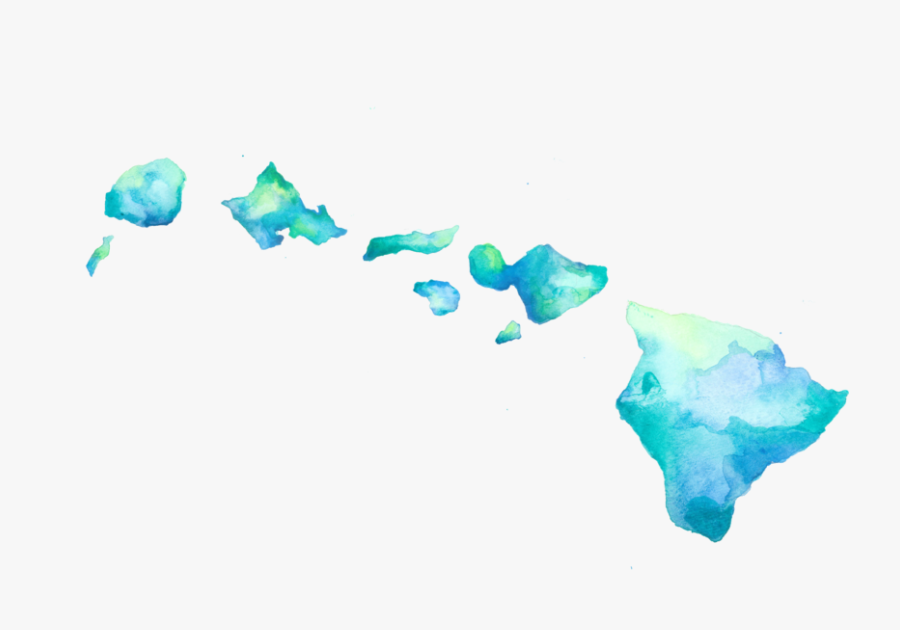
It got me thinking about all of us living on this small archipelago in the middle of the Pacific. Whether our roots are here, on other islands or distant continents; whether we moved away for a while but came back; whether opportunity or living costs lured our kids or parents off island — most of us experience this feeling of separation at times. It comes up a lot when we talk, a disconnect that connects us.
A recent media survey Civil Beat commissioned by News Revenue Hub of two of our neighbor islands took that conversation in a different direction. As coverage of Hawaiʻi beyond Oʻahu gets ever thinner, respondents from Kauaʻi and Hawaiʻi island made it clear they feel increasingly separated from the rest of the state and from the things that matter most to them. This parallels similar responses from a Maui survey we did two years ago.
When they watch or listen to local media, they don’t often see or hear themselves and their communities reflected. They included us in that criticism: “I like the Civil Beat newsletter, but it rarely has stuff that’s pertinent to the Big Island,” one of them wrote. That’s not surprising since currently most of our reporters, like a majority of Hawaiʻi journalists, are based on Oʻahu.
In short, our neighbors feel ignored most of the time and they are not happy about that. Many of them worry that if no one is watching their local governments, businesses and organizations, bad things can fester — maybe even are festering without them knowing.
They haven’t given up hope, though. They still trust local news at relatively high levels — higher than national news. They just want us to pay more attention to them, which is exactly what we plan to do, guided in part by these new survey results.
Most of the survey respondents’ concerns sound familiar, with some unique twists. They said housing needs, local politics and attacks on the environment need more scrutiny. They also are afraid of being ill-prepared for natural disasters and whether their fragile infrastructure — roads, energy, water and waste systems — will survive them, with the Big Island of course adding volcanic eruption to the list of threats. Big Island respondents consistently were more worried about the fate of farming while those from Kauaʻi ranked destruction from development and tourism higher.
They told us about the scenarios that keep them up at night. One Kauaʻi resident expressed fears about the rising cost of living “squeezing out locals and Hawaiians in favor of rich transplants.” One Hawaiʻi island resident summed up the health care access barriers cited by many others, saying, “I’m concerned that we can’t get the care we need as we age and will return to the mainland for needed care.”
The survey by News Revenue Hub also exposed a mismatch between what people say they want and what they are getting. In-depth coverage that helps people better understand and participate in their communities was a common desire, yet an analysis of hyperlocal media on the two islands found it dominated by basic information drawn from press releases or other kinds of public announcements. Many of the topics people said they most care about are overshadowed by reporting on crime and sports, two areas they ranked at the bottom of their interests.
These survey results reaffirm our decision to step up our neighbor island coverage in the coming years with the hub-and-spoke strategy that I outlined in a recent column. We have national seed money in hand and are seeking local matching support to keep it going.
Our goal is twofold: Lean into the issues that already connect everyone who lives in Hawaiʻi and ferret out the unique stories and problems emerging from each of the islands — issues that should concern all of us as residents of the same state. Separation by ocean is no excuse for turning our backs on our neighbors.
Success will take vision, consistency and, yes, more journalists focused on the neighbor islands. With that in mind, we’ve started hiring.
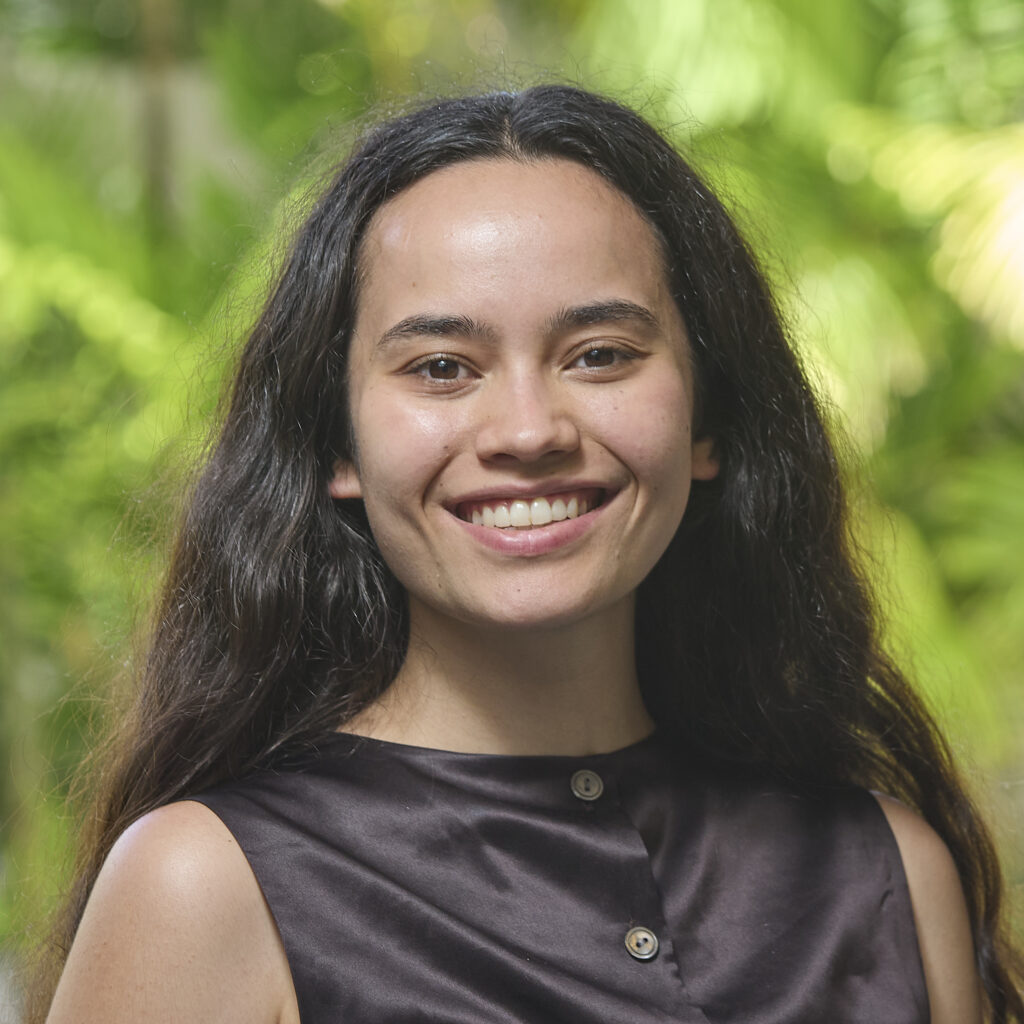 Taylor Nāhulukeaokalani Cozloff
Taylor Nāhulukeaokalani Cozloff, a Kamehameha Schools Kapālama grad who is finishing her journalism degree at New York’s New School, will be based on Hawaiʻi island. She interned for us last summer and will become our first-ever engagement reporter, a fancy word for someone who plans to use social media and events to more deeply connect with the community in her reporting. Taylor was born and raised on Oʻahu, with extensive family on the Big Island where her grandmother is from. In the new year, we’ll be launching a Hawaiʻi island newsletter similar to the one we already send out weekly on Maui, so sign up for that here. Expect to find Taylor at Civil Beat events and community meetings around the island starting in January.
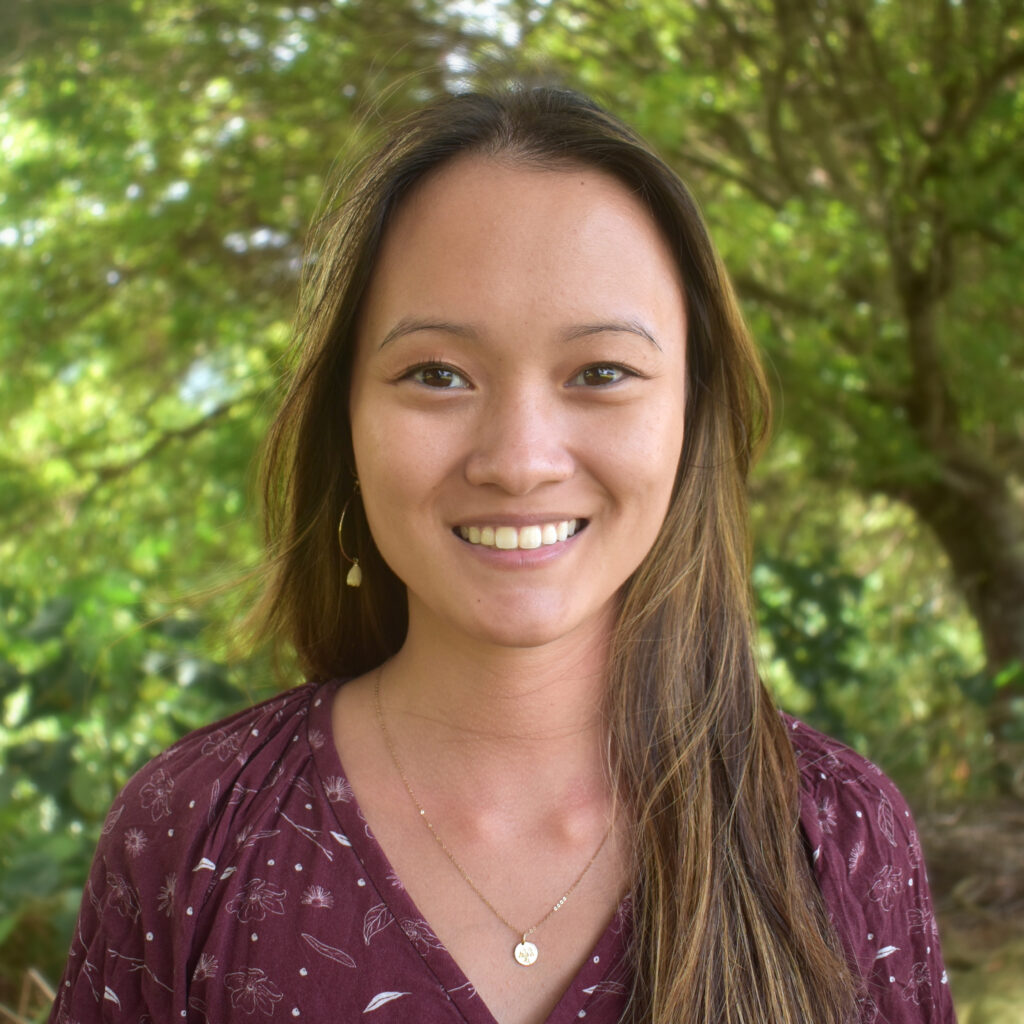 Noelle Fujii-Oride
Noelle Fujii-Oride, our new Kauaʻi reporter, may be a familiar name to many since she has been covering stories in Hawaiʻi for more than a decade. A former Civil Beat intern, Noelle worked at Hawaii Business Magazine for seven years until May 2024, when she became the inaugural editor of Overstory, a statewide issues-oriented online news site. She’s also a longtime board member and past president of the Hawaiʻi chapter of AAJA, the Asian American Journalists Association. A Bay Area native, Noelle came to the University of Hawaiʻi for college, where she met her husband. They now live in Līhuʻe, his hometown, and her twin sister and parents live on Oʻahu. Watch for Noelle’s contributions after she joins us in mid-January.
I hope you’ll welcome both Taylor and Noelle as we embark on this new journey to better connect our islands. We’re confident that together, we’ll be stronger.

Sign up for our FREE morning newsletter and face each day more informed.
Sign Up
Sorry. That’s an invalid e-mail.
Thanks! We’ll send you a confirmation e-mail shortly.