
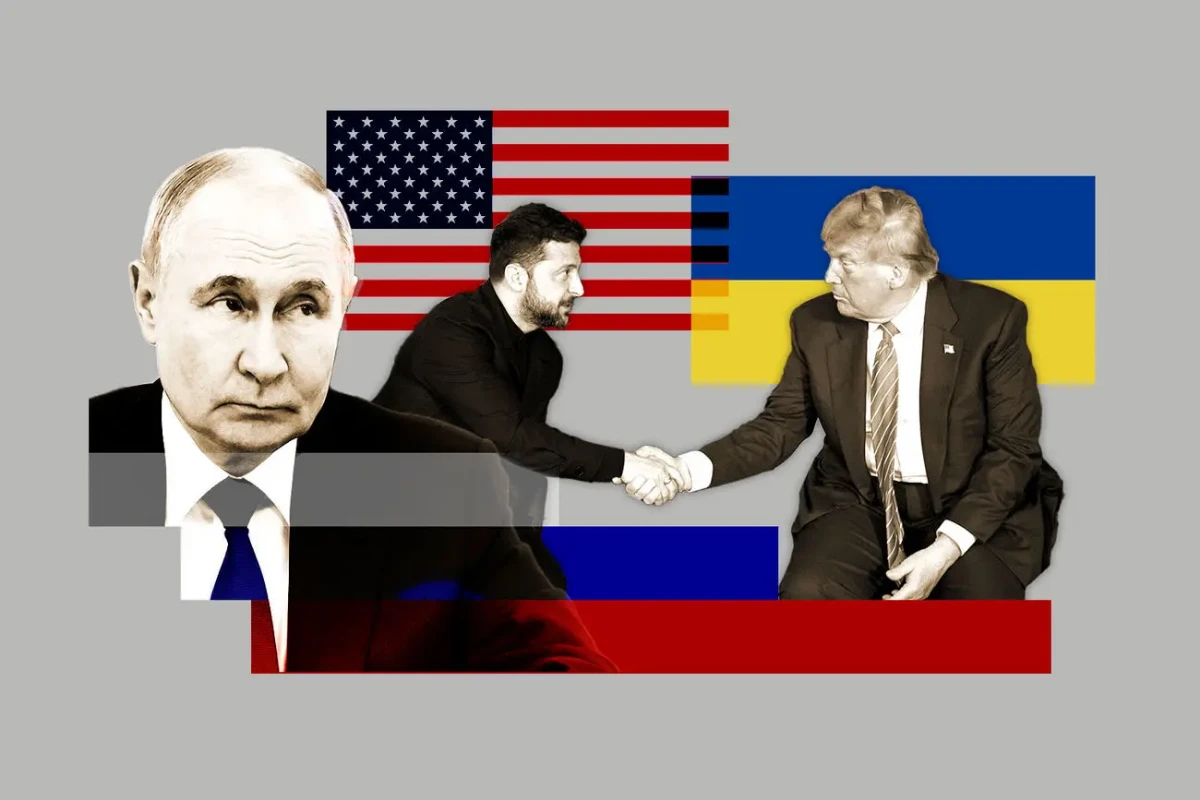
WANA (Dec 07) – Today, the war in Ukraine has become one of the most complex global crises. On one side, the Ukrainian government is grappling with serious internal challenges—including manpower shortages and deep-rooted corruption scandals. On the other side stands Russia, which, despite heavy losses and damage, retains the upper hand on the battlefield.
This war has two other major actors. Europe views the conflict as vital and existential, deeply anxious about how it might end. The other key player is the United States, whose conduct appears multifaceted—and at times contradictory.
Washington now presents itself as a mediator seeking to end the war, yet from the very beginning it has stood firmly behind Ukraine, providing extensive military, intelligence, and financial assistance. However, these forms of support seem modest when weighed against America’s deeper and more fundamental role in creating the conditions that led to this conflict.
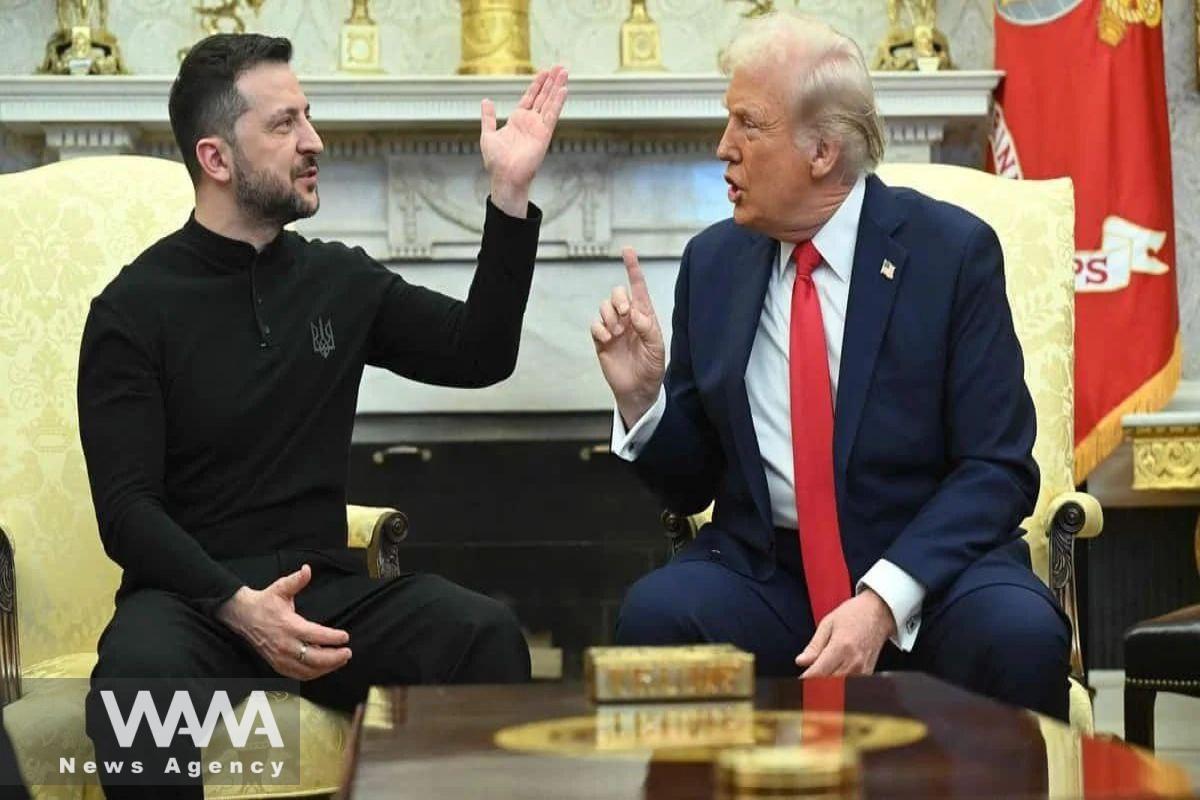
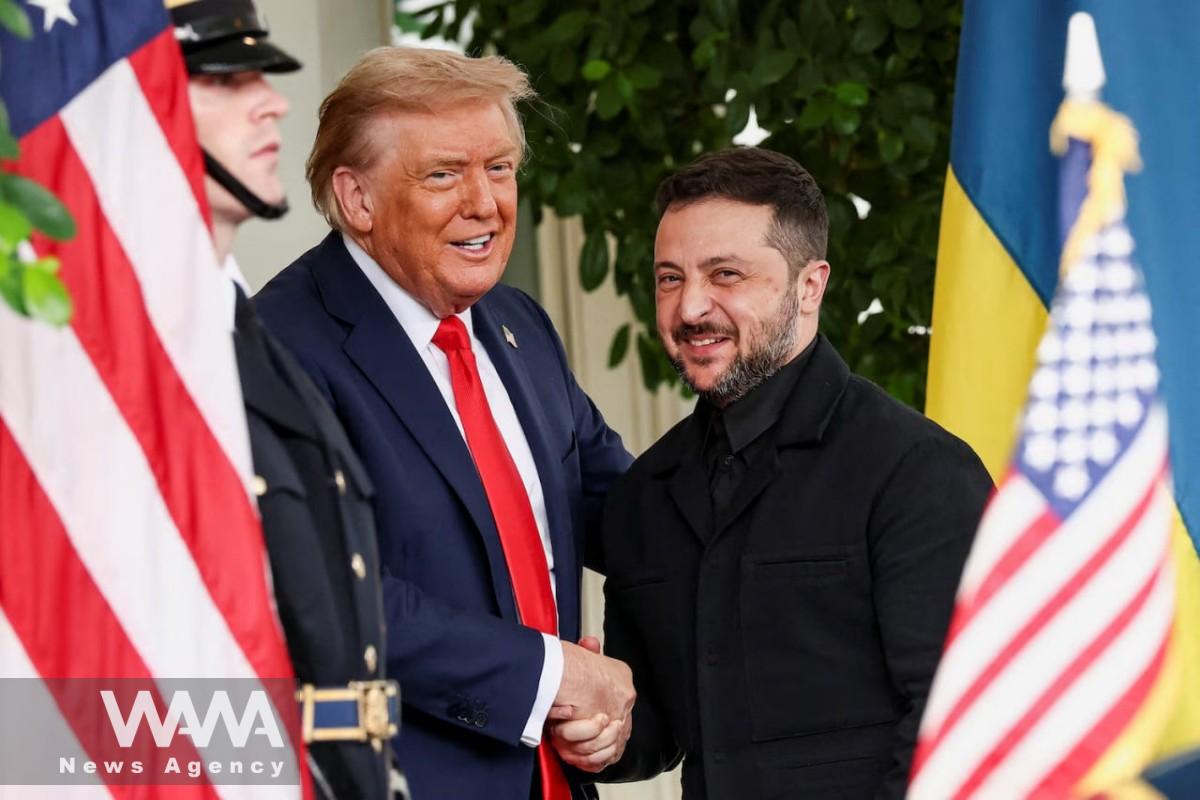
Zelensky and Trump / WANA News Agency
In reality, the United States is attempting to extinguish a fire it helped ignite more than two decades ago. Its expansionist policies—particularly the eastward enlargement of NATO—constitute one of the primary underlying causes of the current bloodshed.
George F. Kennan, the renowned diplomat and intellectual architect of the Cold War containment strategy, warned of precisely this outcome in a 1998 interview with The New York Times, forecasting the consequences of NATO’s march toward Russia’s borders.
He famously stated: “I think this is the beginning of a new Cold War. I think the Russians will gradually react quite adversely and it will affect their policies. I think it is a tragic mistake.”
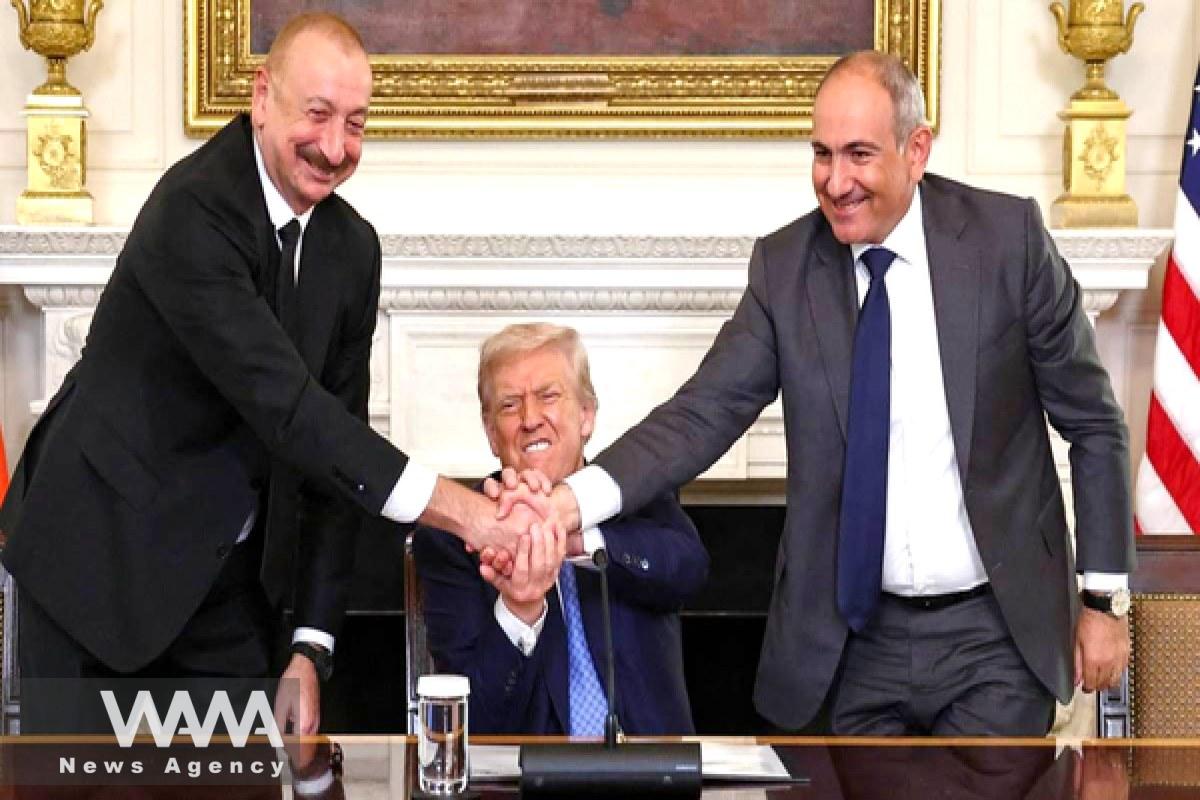 Warning of a Zelensky-like Fate for Aliyev and Pashinyan
WANA (Aug 10) – Yadollah Javani, the IRGC’s Deputy for Political Affairs and a political analyst on regional, security, and political issues, in an analysis of recent developments in the Caucasus, compared the actions of Ilham Aliyev, President of Azerbaijan, and Nikol Pashinyan, Prime Minister of Armenia, in granting strategic concessions to the United States […]
Yet in a West intoxicated by the collapse of the Eastern bloc and the triumph of a unipolar world order, there was little appetite to heed such warnings.
The first wave of NATO expansion brought Poland, the Czech Republic, and Hungary into the alliance. The second included the Baltic states. Eventually, attention turned to Georgia and Ukraine—countries sitting right on Russia’s doorstep.
At this point, the issue was no longer mere security concerns. It appeared that the West was determined to humiliate Moscow. Robert M. Gates, who served as U.S. Secretary of Defense under both George W. Bush and Barack Obama, acknowledged this reality in his 2014 memoir, Duty, writing: “Trying to bring Georgia and Ukraine into NATO was truly overreaching.”
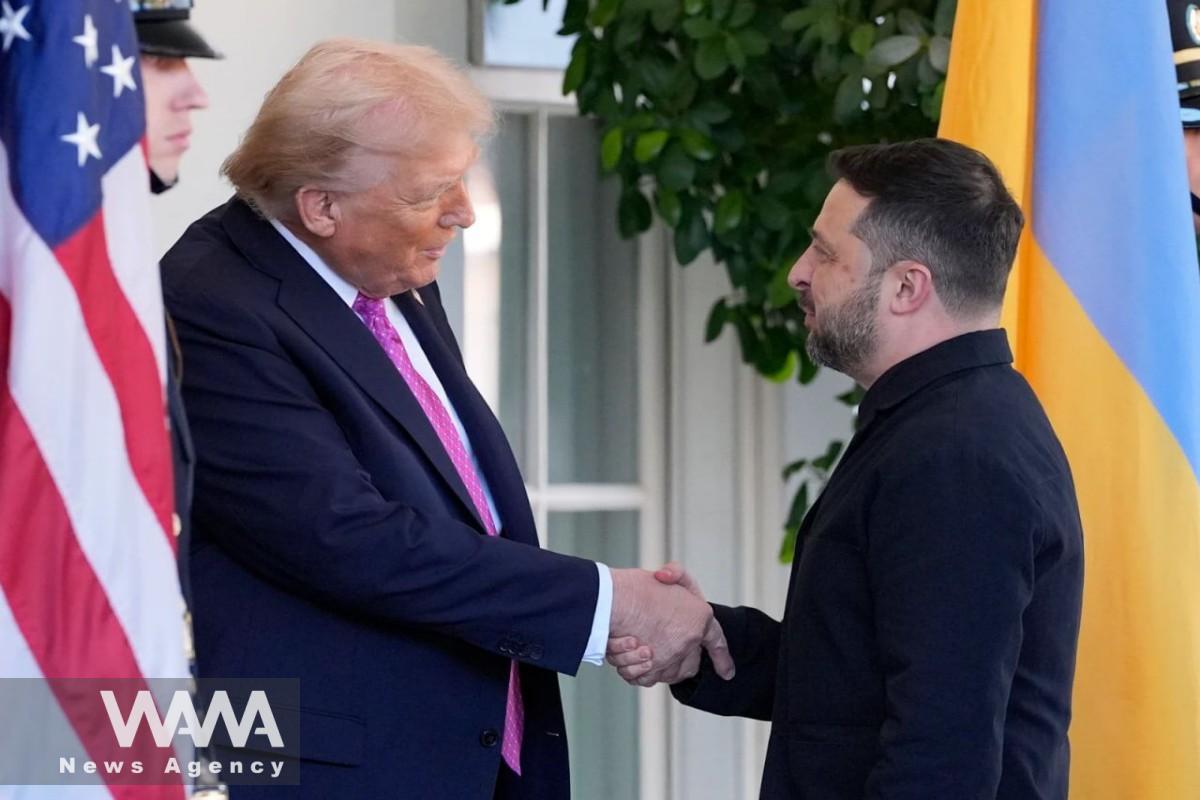
America’s destabilizing policies did not end there. In late 2013 and early 2014, Washington openly sought to overturn the government in Kyiv—a government that few considered genuinely pro-Russian and which was attempting to follow a balanced foreign policy, something that proved unacceptable to the White House.
A leaked phone conversation between Victoria Nuland, then Assistant Secretary of State, and Geoffrey Pyatt, the U.S. ambassador to Ukraine, confirmed the depth of American interference in the internal affairs of a sovereign nation.
After Moscow annexed Crimea using military force and warned that Western policies were escalating tensions, Washington showed no willingness to retreat. Instead, the Trump and later the Biden administrations intensified arms shipments to Ukraine, approved joint military exercises between U.S. and Ukrainian forces, and even encouraged allies to include Ukraine in NATO war drills.
Some analysts argue that Western leaders deliberately engineered the conditions for the Ukraine war step by step. According to this view, their calculation was to trap Russia in the Ukrainian quagmire, preventing it from recovering its power for decades to come. In this grand strategy, Ukraine became nothing more than a pawn.
Now, after nearly four years of war, the United States continues to prioritize its own economic and security interests—even at the cost of sacrificing Ukraine. This reality was openly acknowledged recently by Ukraine’s president, who spoke of the painful dilemma facing his country: to preserve its dignity or to retain American support.
The final outcome of this complex situation remains uncertain. Yet one reality is already clear: even Europe, America’s long-standing ally, has come to recognize that the United States is no longer a fully reliable or dependable partner. For Europe to ensure its own security and interests, it must learn to stand on its own.