
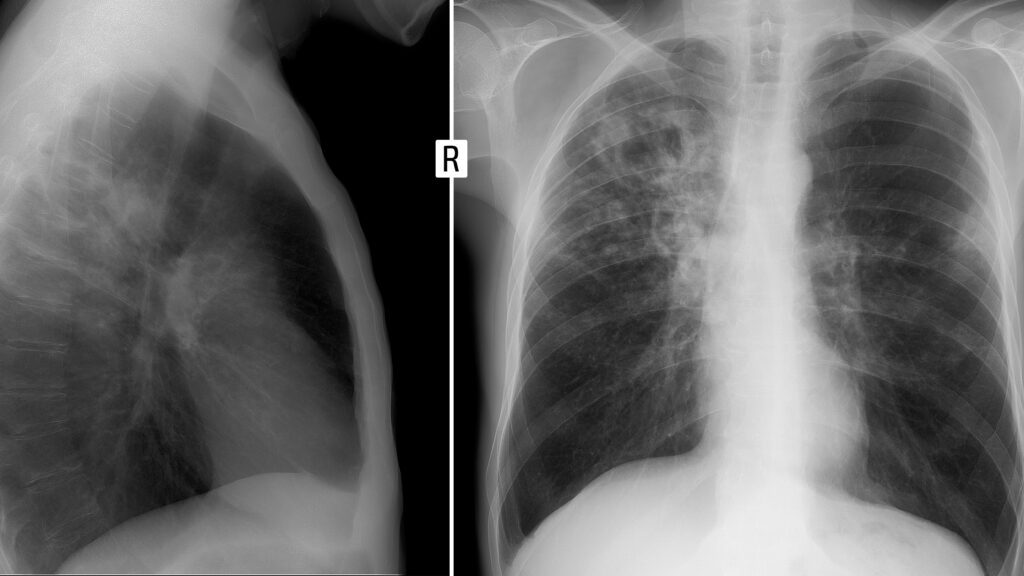
CHICAGO — In front of a room of radiologists, Warren Gefter pulled up a chest X-ray on a large screen. It looked like a standard, uncomplicated read. Heart: normal. Lungs: clear.
But Gefter, a professor of radiology at Penn Medicine, wasn’t looking to his peers to interpret the scan. Instead, he highlighted what a generative artificial intelligence model had put in its written findings, along with those normal results: “Left hip prosthesis in situ.”
“Clearly, a nonsensical hallucination,” said Gefter. Chest X-rays cut off at the bottom of the rib cage, with the hip far out of sight: The AI had made up an artificial hip joint.
STAT+ Exclusive Story
Already have an account? Log in


This article is exclusive to STAT+ subscribers
Unlock this article — and get additional analysis of the technologies disrupting health care — by subscribing to STAT+.
Already have an account? Log in
Individual plans
Group plans
To read the rest of this story subscribe to STAT+.