
Last September Australia’s PM announced plans for a world-first… now it’s realitypublished at 18:16 GMT
18:16 GMT
 Angus Thompson
Live reporter
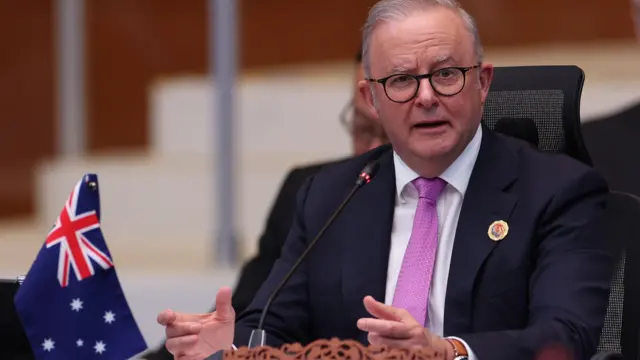 Image source, EPA
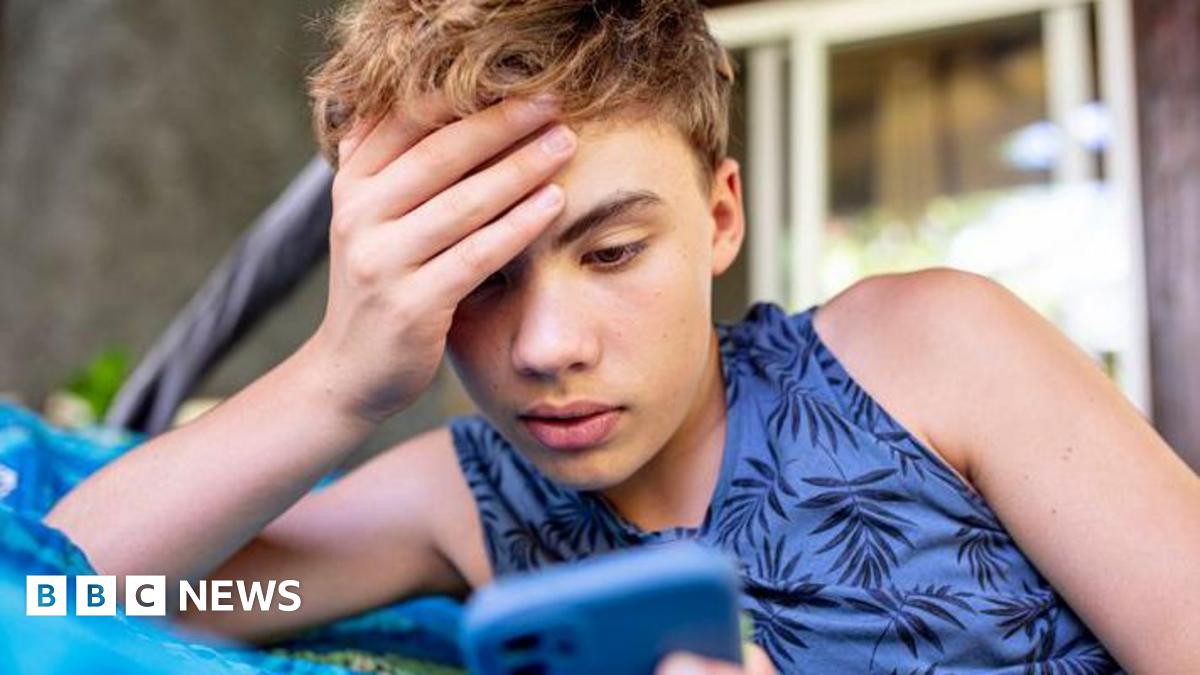
You’ve joined our live coverage at the start of a new era for Australian teenagers under 16, who will wake in a few hours’ time without access to their social media accounts.
Last September Australian Prime Minister Anthony Albanese announced plans to apply an age limit to social media use after South Australia Premier Peter Malinauskas had raised the idea of a ban.
The idea had bipartisan support, with then-opposition leader Peter Dutton airing similar plans in the months before. By late 28 November, both houses of parliament passed legislation to ban children under-16 from social media under the world’s strictest laws.
“We want our kids to have a childhood and parents to know we have their backs,” Albanese told reporters at the time.
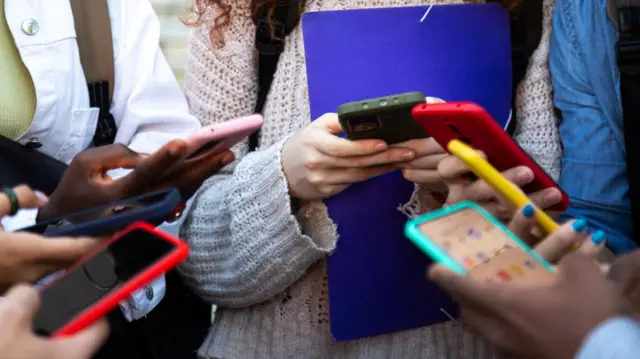 Image source, Getty ImagesImage caption,
Countries around the world are debating the best way to protect young people from online harm
In the lead-up to it passing, social media companies were already railing against the ban, with Meta arguing the bill would be “ineffective” in meeting its aim of making kids safer, and X questioning the “lawfulness” of the bill.
In the following months, the government faced questions over whether it could effectively keep children off the platforms, with a commissioned trial eventually finding age-checking tech could effectively enforce it.
Debate also stirred over whether a ban would keep children from harm or push them into other, unregulated corners of the internet, while others argued tech firms should instead be made to remove harmful content from their platforms.
While some teenagers have accepted the ban, others believe it infringes on their rights, with a High Court challenge to the world-first already afoot.