
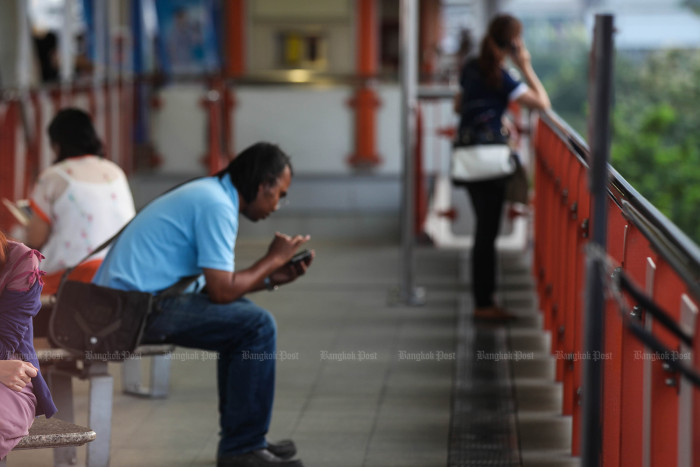
News headlines often focus on stressful and negative events – be it daily crime, politics, disasters or wars – and staying informed helps you feel connected, but it is equally important to protect your mental health by avoiding information overload.
Here is a ‘Digital Detox’ guide from Thailand’s Department of Mental Health, Ministry of Public Health, to help you manage news and social media consumption.
1. Give your eyes and brain a break
Every 20 minutes, take a short screen-free pause. Look at something at least six metres away, blink frequently, take three deep breaths and gently move your shoulders and neck.
Such breaks can last five to ten minutes, or up to an hour if it does not interfere with your work.
Every hour, walk for two to three minutes to refresh your body and mind.
2. Schedule your news time
Avoid constant news checking by limiting it to three short sessions per day:
8–8.15am: Read a morning news summary from a single, reliable source.
12-12.15pm: Check brief updates or developments.
6–6.15pm: Read an evening summary.
No more news after 8pm is recomended.
3. Curate your social media feed
The mental health-friendly time for social media use is one to two hours a day. If feeling too much stress, unfollow pages that focus on only the negative side of news.
On Facebook, you can set the “See First” feature to pin pages or users who share mostly positive news to the top of your feed.
4. Take news-free days
Dedicate one day a week to avoid news entirely – or two if life already feels overwhelming. During long holidays, such as the coming Christmas or New Year, reduce news consumption by 50% to protect your mental well being.
Too much information can exhaust your brain. Keeping yourself informed is important, but do not forget to step away from that “heavy” news when needed.