
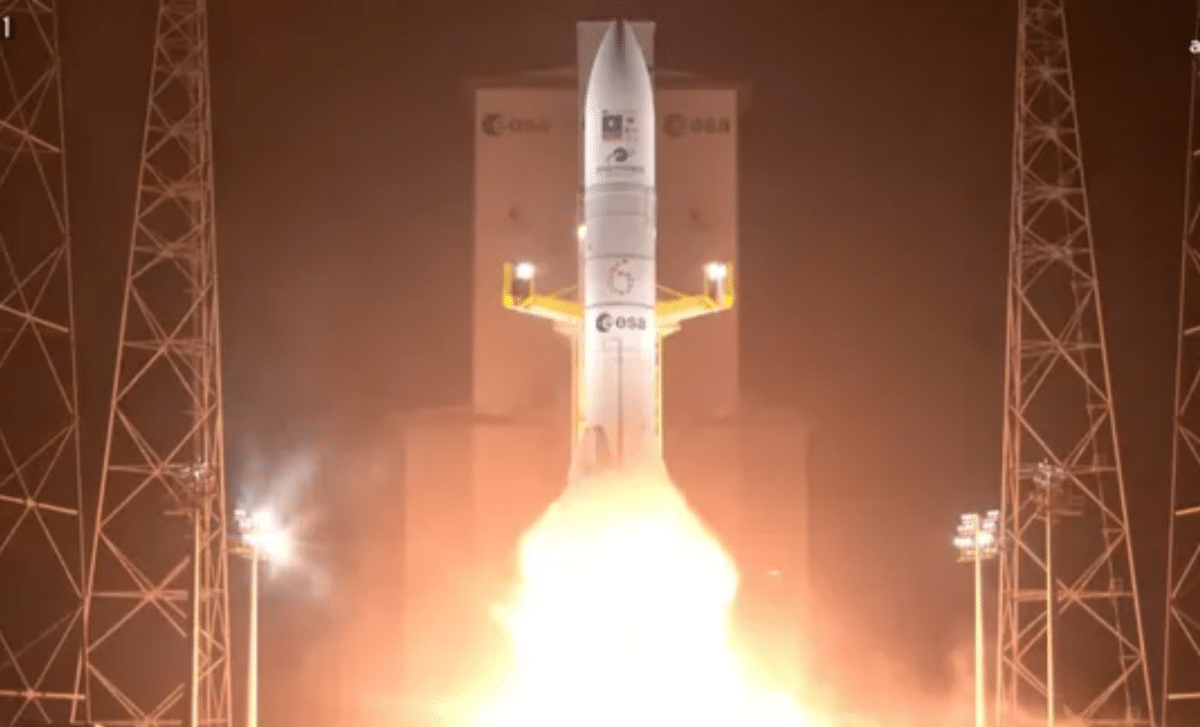
On December 17, 2025, Europe achieved another milestone in its space exploration ambitions with the successful launch of two Galileo navigation satellites aboard the Ariane 6 rocket. This launch marks a pivotal moment in Europe’s journey toward independent space capabilities, breaking away from external providers.
The Success of Ariane 6 and the Galileo Satellites
In an impressive demonstration of Europe’s growing space capabilities, the Ariane 6 rocket, launched by Arianespace from Kourou, French Guiana, took flight carrying two Galileo navigation satellites into space. These satellites are part of Europe’s efforts to create a fully independent global navigation satellite system (GNSS). Unlike previous launches that relied on the retired Ariane 5 or the Russian Soyuz rockets, this successful mission demonstrates Europe’s readiness to take charge of its own satellite navigation future.
The Galileo constellation, a project spearheaded by the European Union, is designed to compete with systems like the American GPS. With an altitude of 14,429 miles (23,222 kilometers) above Earth, these satellites offer a much-needed alternative to U.S. and Russian-controlled systems. The satellites launched in December will spend a few days unfolding their solar arrays and conducting essential system checks, ensuring they are operational before entering their four-month drift phase to their final orbital positions. Once fully operational, these satellites will provide enhanced positioning, navigation, and timing services globally, including for critical sectors like transportation and telecommunications.
A Turning Point for Europe’s Space Independence
As reported by Space.com, he December 2025 launch is not just another milestone for the Galileo program; it represents a shift in Europe’s approach to space exploration. With the retirement of the Ariane 5 rocket in 2023 and the cessation of the Soyuz launches following geopolitical tensions, Europe had to quickly find a solution for continuing its satellite launches. SpaceX’s Falcon 9 rockets temporarily filled this gap, but the new Ariane 6 rocket is now fully operational, positioning Europe as less reliant on external partners. This new chapter for Europe’s space industry is symbolic of its growing autonomy and increasing influence in space exploration.
What makes the Ariane 6 launch even more significant is that it is Europe’s own heavy-lift vehicle, designed to replace its predecessors and compete with other global players in the space sector. This launch is the fifth successful flight of the Ariane 6 rocket, underscoring its reliability and potential for future missions. The rocket’s design promises to handle larger payloads, making it an attractive option for a variety of satellite launches, from communications satellites to scientific missions.
The Role of Galileo Satellites in Global Navigation
As the world moves towards more interconnected systems and data-driven technology, the importance of satellite navigation cannot be overstated. The Galileo system, once fully operational, will provide more accurate positioning services, potentially enhancing global GPS capabilities. The satellites’ positioning will allow for more precise location tracking, which could have profound impacts on everything from autonomous vehicles to disaster management and logistics.
The Galileo system also holds strategic importance for Europe, allowing the region to reduce its reliance on foreign GNSS providers. This independence is critical not only for economic reasons but also for security and geopolitical considerations. The ability to operate a global navigation system without outside interference places Europe in a powerful position on the international stage, aligning with its broader ambitions in space exploration.
The Ariane 6 Rocket’s Importance for Europe’s Future
The Ariane 6 rocket is more than just a launch vehicle; it is a key component of Europe’s long-term space strategy. Over the past year, the rocket has completed four successful missions, proving its reliability. In addition to launching Galileo satellites, Ariane 6 is expected to support a wide array of missions, including the deployment of telecommunications satellites, Earth observation systems, and scientific payloads. Its versatile design makes it one of Europe’s most promising tools for expanding its presence in space.
Arianespace, the company responsible for launching Ariane 6, has carefully calibrated the rocket’s performance to meet the demands of modern space missions. It’s capable of launching heavier payloads than its predecessors, making it an attractive option for both European and international clients. As private space companies, like SpaceX, continue to dominate the commercial spaceflight sector, Ariane 6 offers Europe a competitive edge in the global marketplace.